
1350 HO Aluminum Foil Strip For Transformer Winding
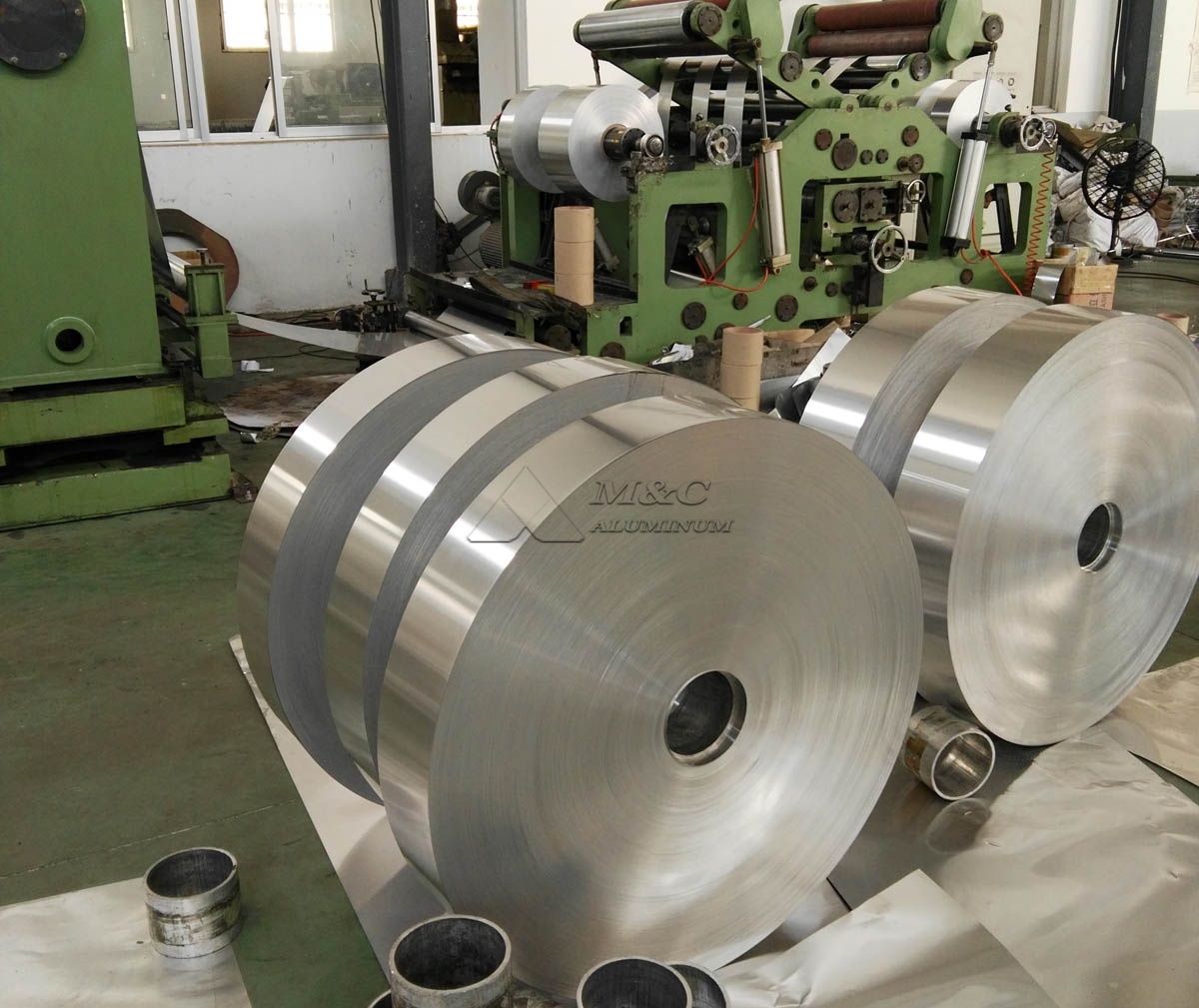
As an aluminum rolling manufacturer, we produce 1350 H0 aluminum foil strip specifically for transformer winding applications, where conductivity, surface integrity, and dimensional stability directly affect winding efficiency and dielectric reliability. This article explains how we manufacture transformer-grade foil strip from melt to finished coil, which technical parameters we control, and how buyers can specify material correctly for power and distribution transformer winding.
What 1350 H0 Means for Transformer Foil
AA 1350 is an electrical-grade aluminum alloy with very high aluminum content. In transformer winding, it is selected primarily for:
High electrical conductivity, supporting low resistive losses.
Stable properties across large coil lengths.
Good formability for winding and edge forming without cracking.
H0 (often written as O temper) indicates an annealed condition. For transformer foil strip, the annealed temper is widely used because it provides:
Low yield strength and high elongation for winding tight radii.
Reduced risk of edge cracking during tensioned winding.
Better adaptation to insulating paper or film interfaces in foil winding designs.
In practice, transformer manufacturers may also use other tempers depending on equipment and coil design. When the requirement is H0, we control annealing to achieve uniform softness and flatness while maintaining electrical performance.
Advantages of 1350 Aluminum Strip Products
1. High Conductivity
1350 aluminum boasts a conductivity of **≥61% IACS**, approaching the limit of pure aluminum, effectively reducing power transmission losses and improving transformer efficiency.
2. Excellent Formability
The O-state material exhibits excellent ductility, suitable for multi-layer, tightly wound windings, and is less prone to cracking or breakage.
3. Stable Mechanical Properties
Maintains stable tension during winding, preventing deformation or springback from affecting winding quality.
4. Lightweight Advantage
Compared to copper, aluminum has a lower density (approximately 2.7 g/cm³), significantly reducing the overall weight of the transformer.
5. Good Corrosion Resistance
A naturally formed oxide film forms on the surface, providing stability during long-term operation.
Typical Applications in Transformer Manufacturing
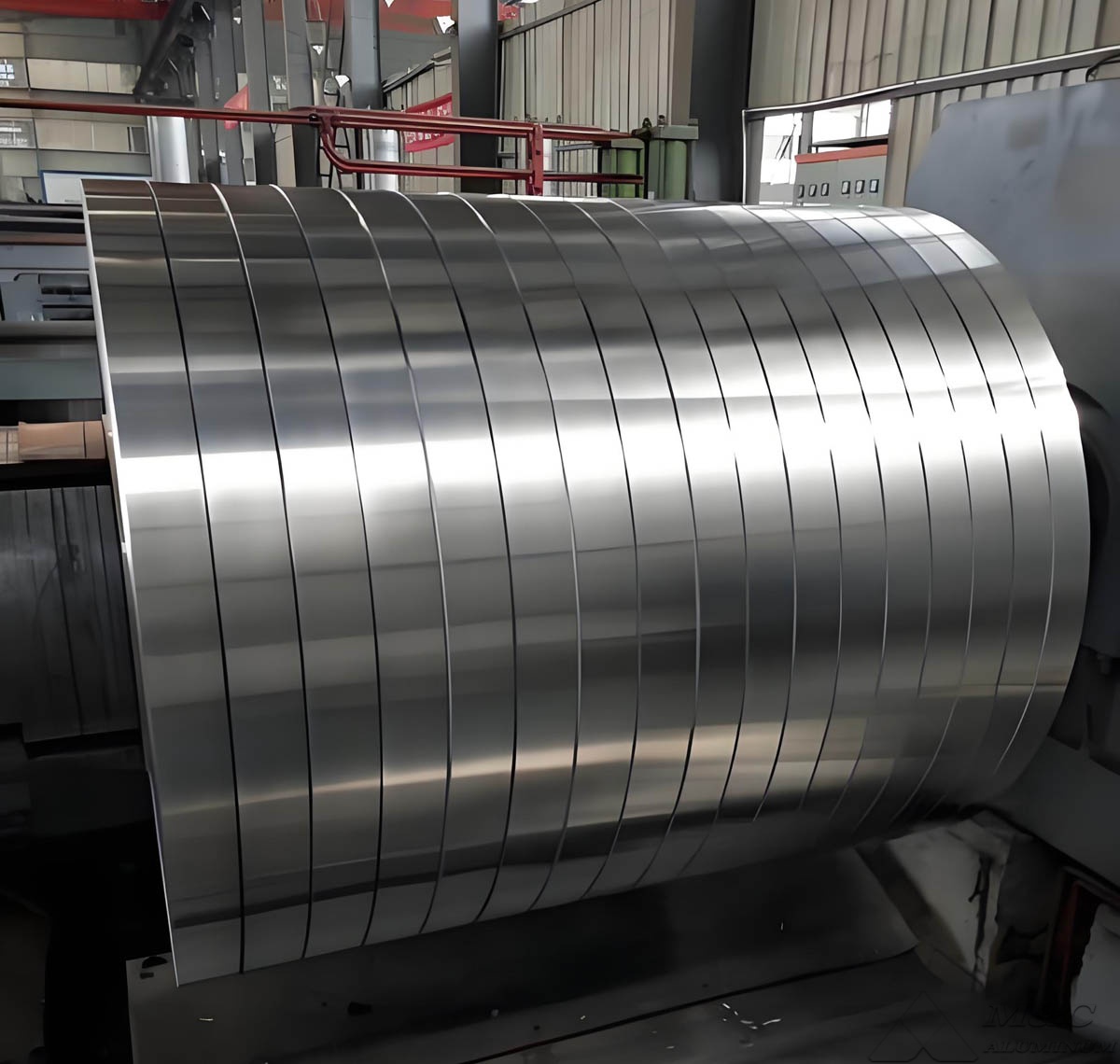
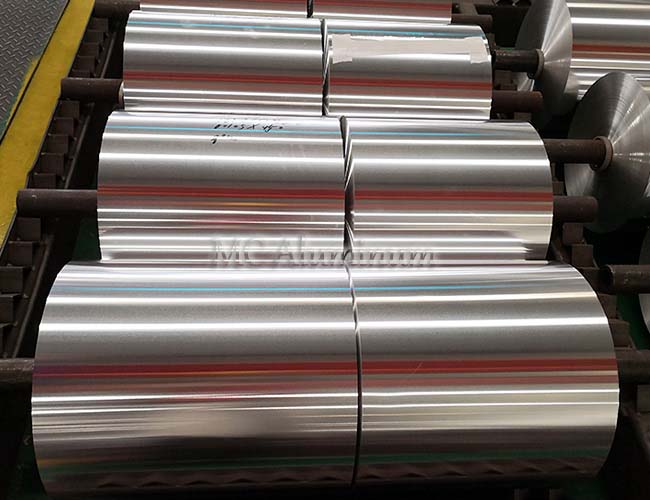
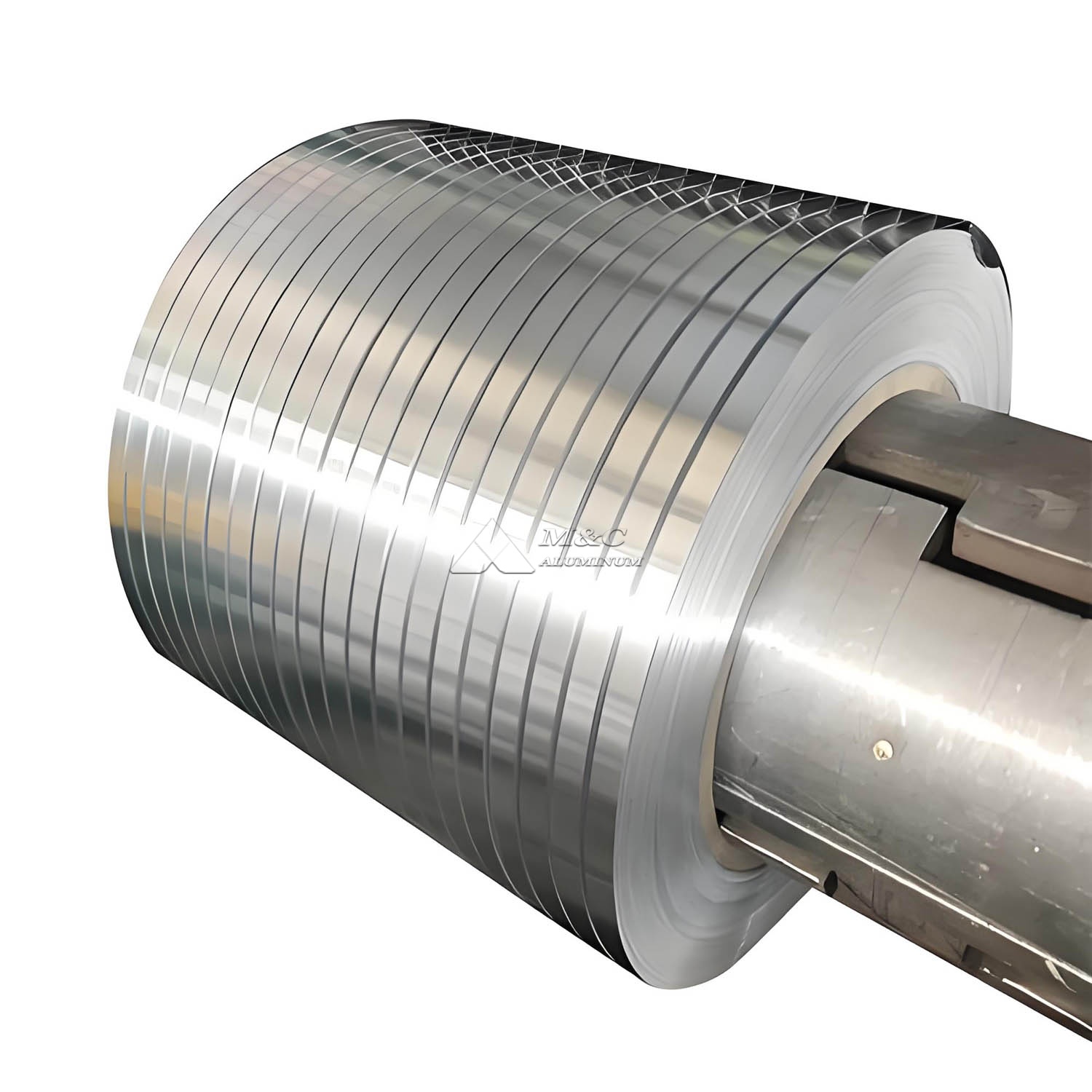
Our transformer aluminum strip is supplied as slit coils for:
Distribution transformers (foil winding LV coils)
Power transformers (foil or strip windings depending on design)
Reactors and inductors where aluminum strip/foil windings are used
For foil winding, buyers typically focus on thickness tolerance, edge condition, and coil build consistency. For strip windings, width tolerance and flatness often become equally critical.
Manufacturing Process Controls
We manufacture 1350 aluminum strip coil for transformer use through an integrated route. Key steps and controls are outlined below.
1) Melt, Refining, and Composition Control
Electrical-grade material begins with stable chemistry and low impurity levels. We control melt cleanliness and filtering to reduce inclusions that can lead to pinholes, surface defects, or slitting edge issues.
2) Hot Rolling and Cold Rolling
Rolling schedules are designed to meet target thickness while controlling:
Thickness profile across the width
Surface finish uniformity
Internal stress, which influences flatness after slitting
3) Annealing for H0 Temper
Annealing is managed to deliver consistent temper along the full coil length. For transformer foil, we pay particular attention to:
Softness uniformity (coil head to tail)
Avoiding oxidation stains and roll marks
Flatness stability after anneal
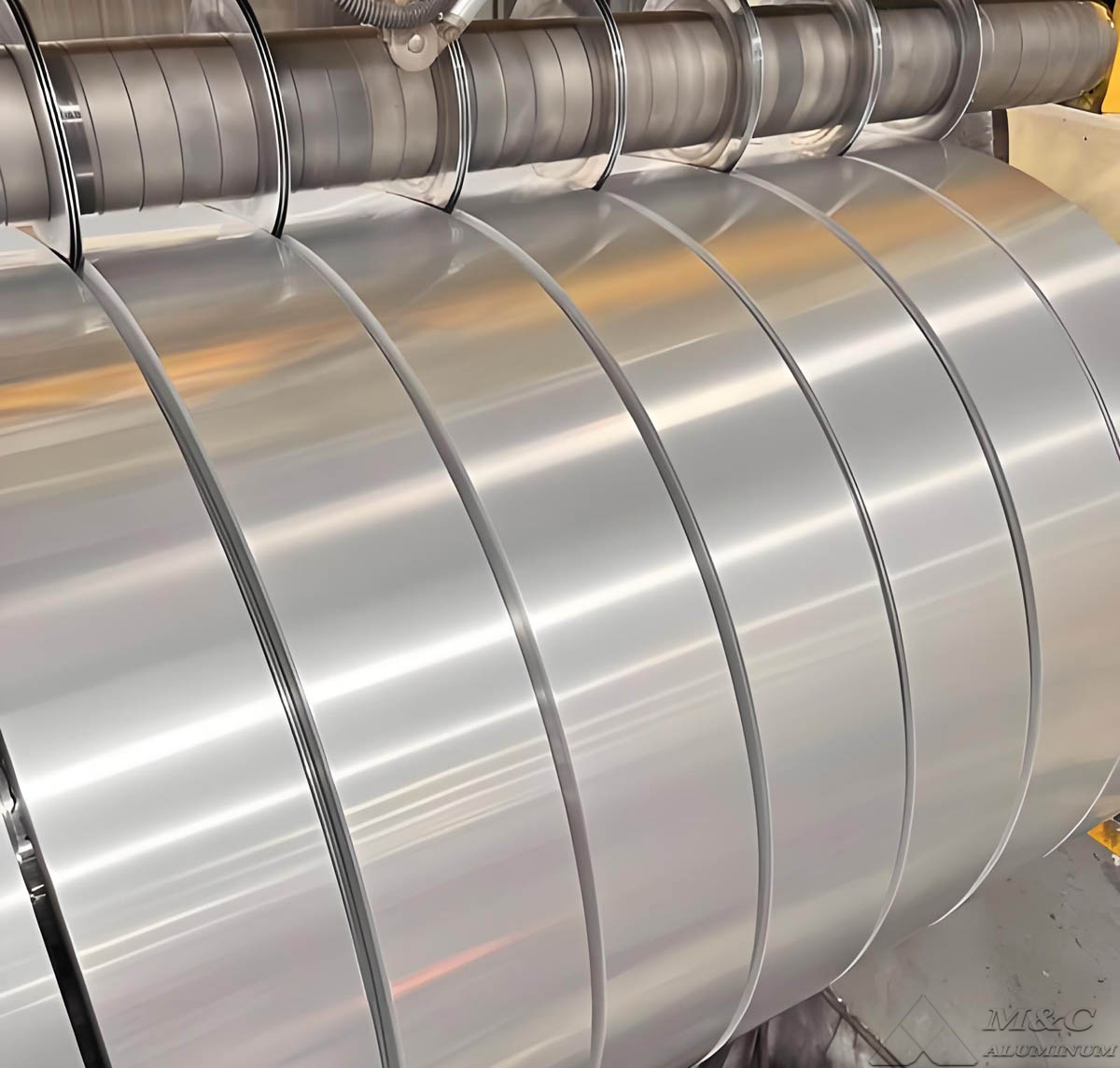
4) Precision Slitting and Edge Conditioning
Transformer winding requires predictable edges to avoid insulation damage. Our slitting focuses on:
Burr control
Minimal camber
Stable width tolerance
We can provide edge options based on buyer equipment (standard slit edge, deburred requirement, or special handling). The specific edge acceptance criteria should be confirmed in the purchase specification.
5) Cleaning, Inspection, and Packing
Transformer manufacturers typically require a clean surface for bonding to insulation layers (paper, film, or enamel systems). We manage cleanliness through controlled handling and inspection.
Packing is designed for export shipment and shop-floor usability, with moisture protection and coil stability for safe unwinding.
Technical Parameters (Typical Supply Range)
The table below lists typical parameters we can manufacture for 1350 H0 aluminum foil strip for transformer winding. Final values and tolerances depend on thickness, width, and buyer standards.
| Item | Typical Specification | Notes for Transformer Winding |
|---|---|---|
| Alloy | AA 1350 | Electrical grade aluminum |
| Temper | H0 (O, annealed) | For high formability during winding |
| Thickness range | 0.08 mm to 0.50 mm | Common foil winding range; thicker strip available on request |
| Width range | 20 mm to 1200 mm | Slit to transformer design and winding machine |
| Inner diameter (ID) | 150 mm, 300 mm, 400 mm, 500 mm | Subject to coil weight and equipment |
| Outer diameter (OD) | Up to buyer request | Limited by handling and logistics |
| Coil weight | 50 kg to 3000 kg | Depends on thickness, width, and ID |
| Electrical conductivity | Typically 61 percent IACS minimum | Test method and target agreed in contract |
| Tensile strength | Typical annealed range | Controlled by annealing practice |
| Elongation | Typical annealed range | Supports tight winding radii |
| Thickness tolerance | Tight tolerance available | Critical for coil build accuracy |
| Width tolerance | Precision slitting | Critical for insulation alignment |
| Edge condition | Controlled burr | To reduce insulation damage risk |
| Surface finish | Clean, uniform | Suitable for paper/film interface |
| Packaging | Export seaworthy | Moisture barrier, coil protection |
If you provide your target thickness, width, ID, and required conductivity, we will propose the most appropriate rolling and annealing route and confirm the achievable tolerances.
Quality Requirements Specific to Transformer Foil
Transformer winding foil is not a generic aluminum foil. In our production and inspection, we focus on the characteristics that influence winding yield and electrical reliability.
Conductivity Consistency
Conductivity variation within a lot can affect resistance and temperature rise. We manage chemistry and processing to keep electrical performance stable from coil to coil.
Flatness and Residual Stress
Poor flatness can lead to telescoping, wrinkles, or uneven tension during winding. We control rolling reduction and annealing to reduce residual stress and improve coil shape.
Surface Integrity
Surface defects can imprint into insulation, create weak points, or complicate adhesive bonding in laminated structures. Our inspection targets:
Scratches and roll marks
Embedded particles
Oxidation stains
Oil or contamination concerns
Slitting Burr and Edge Damage Control
Burr height and edge sharpness can cut kraft paper or polymer film, especially at winding corners. We control knife condition and slitting parameters, and we can align inspection standards to your winding line requirements.
Ordering Guidance: How to Specify 1350 H0 Foil Strip Correctly
To reduce clarification cycles and ensure the material matches your transformer design, we recommend including the following in your inquiry or purchase order:
Alloy and temper: AA 1350, H0.
Thickness and tolerance: nominal thickness and required tolerance (and whether it is total or per side).
Width and tolerance: slit width, tolerance, and any width matching requirement to insulation.
Coil ID and max OD: based on your mandrel and coil handling.
Coil weight range: minimum and maximum coil weight suitable for your unwinder.
Conductivity target: e.g., minimum percent IACS, test standard if required.
Surface requirements: cleanliness, oil limits if applicable, and any restriction on stains.
Edge requirements: maximum burr, edge deburring request, and acceptable edge wave.
Application note: foil winding with paper or film, and whether the foil will be embossed, coated, or laminated.
When these items are clear, we can align production, inspection, and packaging to your winding process.
Packaging and Export Handling (Manufacturer Standard)
Transformer foil strip is sensitive to handling damage. Our standard export approach typically includes:
Coil eye orientation confirmed (eye to wall or eye to sky) per request.
Protective wrapping with moisture barrier.
Edge protection where required.
Stable pallet or skid design for forklift handling.
Clear labeling: alloy, temper, dimensions, net weight, lot number, and inspection status.
For long-distance sea shipment, we can add reinforced packing and humidity control options depending on destination climate and transit time.
Compatibility With Related Aluminum Products
Transformer manufacturing often uses multiple aluminum forms. In addition to aluminum foil strip, our mill supply scope can include:
Aluminum coil for further slitting or stamping
Aluminum strip for conductor and busbar-related parts (within thickness capability)
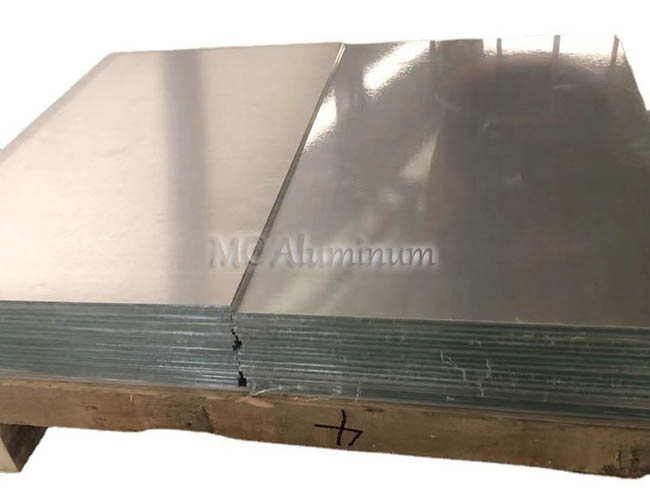
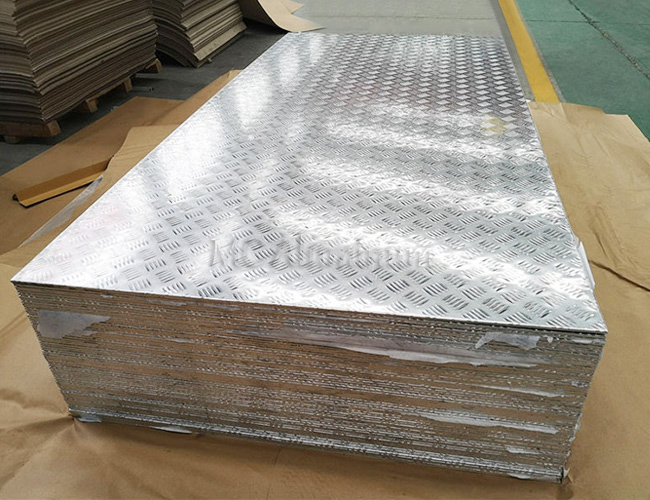
Aluminum sheet for covers or structural components (project dependent)
If your transformer plant prefers a single qualified source for multiple aluminum grades and dimensions, we can coordinate production lots and documentation to support consistent incoming inspection.
Documentation and Traceability
For engineering procurement, traceability is essential. We can provide typical mill documentation such as:
Mill test certificate (chemistry, mechanical properties where applicable)
Conductivity test records (per agreed sampling plan)
Dimensional inspection summary
Packing list and coil identification
Specific third-party inspection or customer witness inspection can be arranged based on project requirements.
Conclusion
1350 H0 aluminum foil strip for transformer winding requires controlled conductivity, stable annealed temper, precise thickness and width, and carefully managed edge and surface quality. As a manufacturer, we manage these factors through melt control, rolling, annealing, precision slitting, and export-grade packaging. For accurate quotation and lead time, provide your target dimensions, conductivity requirement, coil ID, and any edge or surface acceptance criteria used on your winding line.
Contact Us