
1070-O Aluminum Strip For Transformer Windings
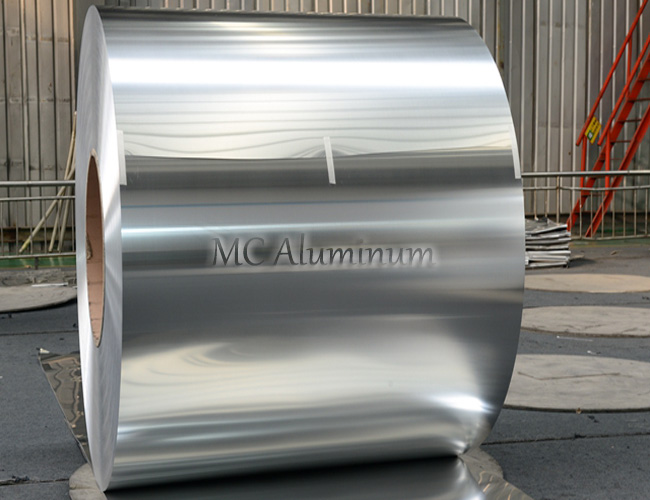
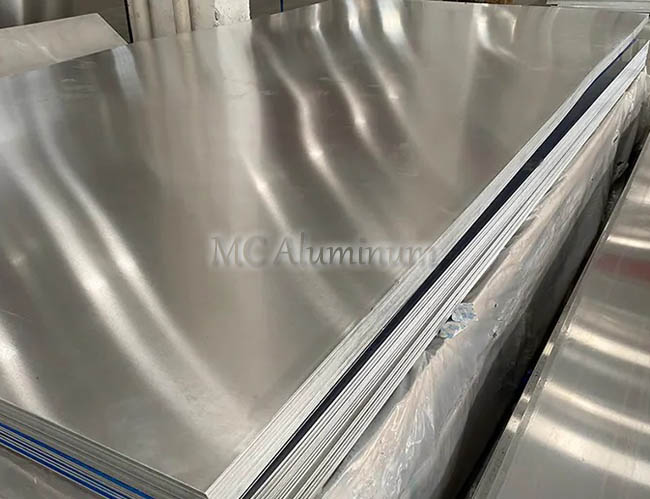
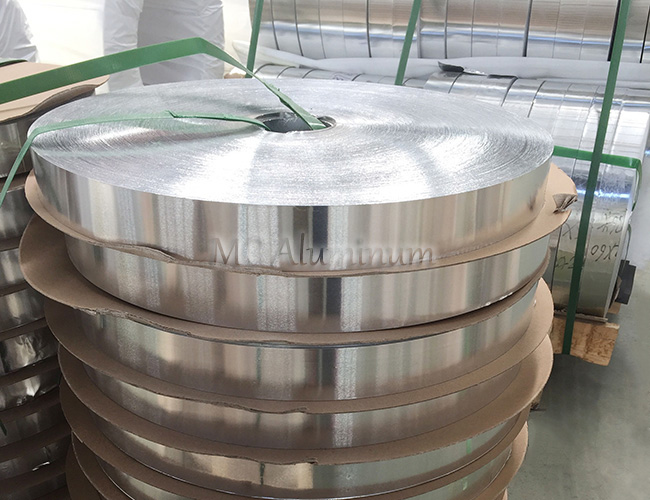
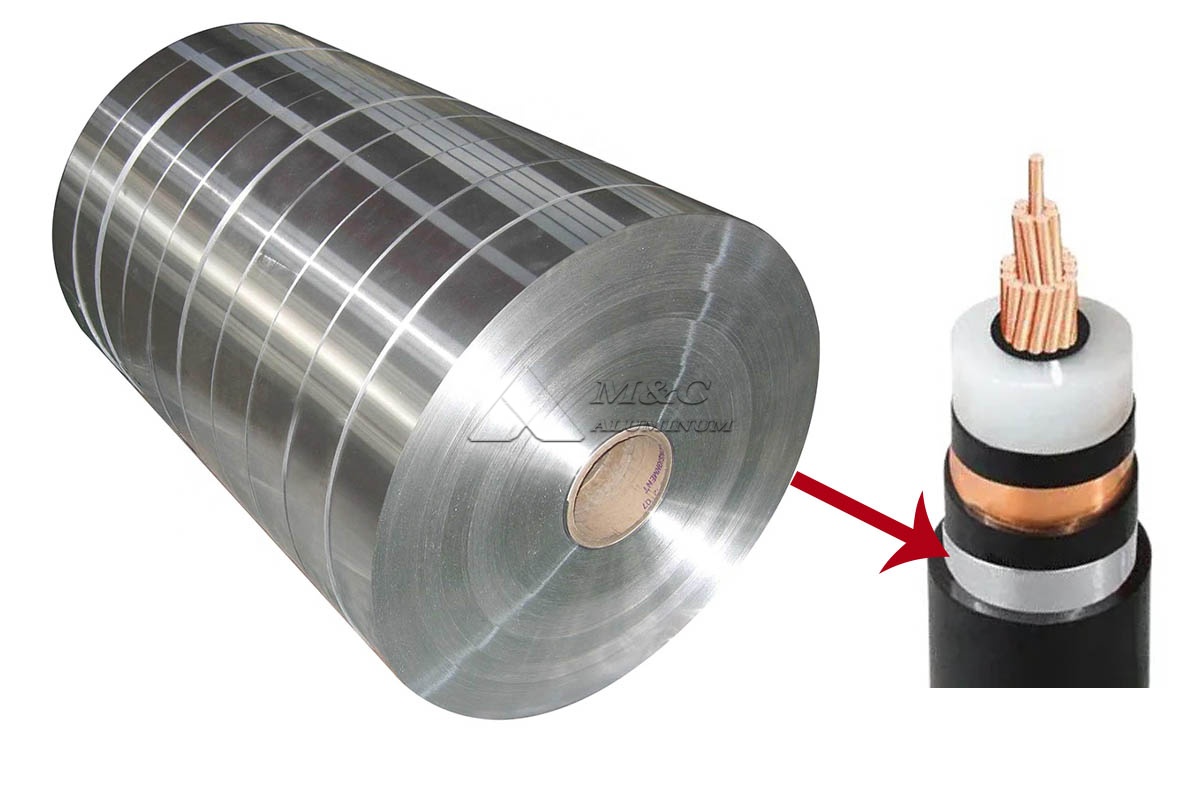
As a manufacturer of aluminum strip and coil for electrical applications, we produce 1070-O aluminum strip specifically for transformer winding processes that require high electrical conductivity, stable forming performance, and consistent dimensional control. In transformer manufacturing, winding material quality directly affects loss, temperature rise, and process yield. Our role as a factory is to control the alloy chemistry, casting quality, rolling schedule, annealing practice, slitting accuracy, and surface cleanliness so that the aluminum strip for transformers performs predictably on winding lines.
1070 is a commercially pure aluminum grade. In the O temper (fully annealed), it combines high conductivity with excellent ductility, making it suitable for foil and strip windings, layer windings, and edgewise wound coils where tight bend radii and reliable insulation wrapping are required.
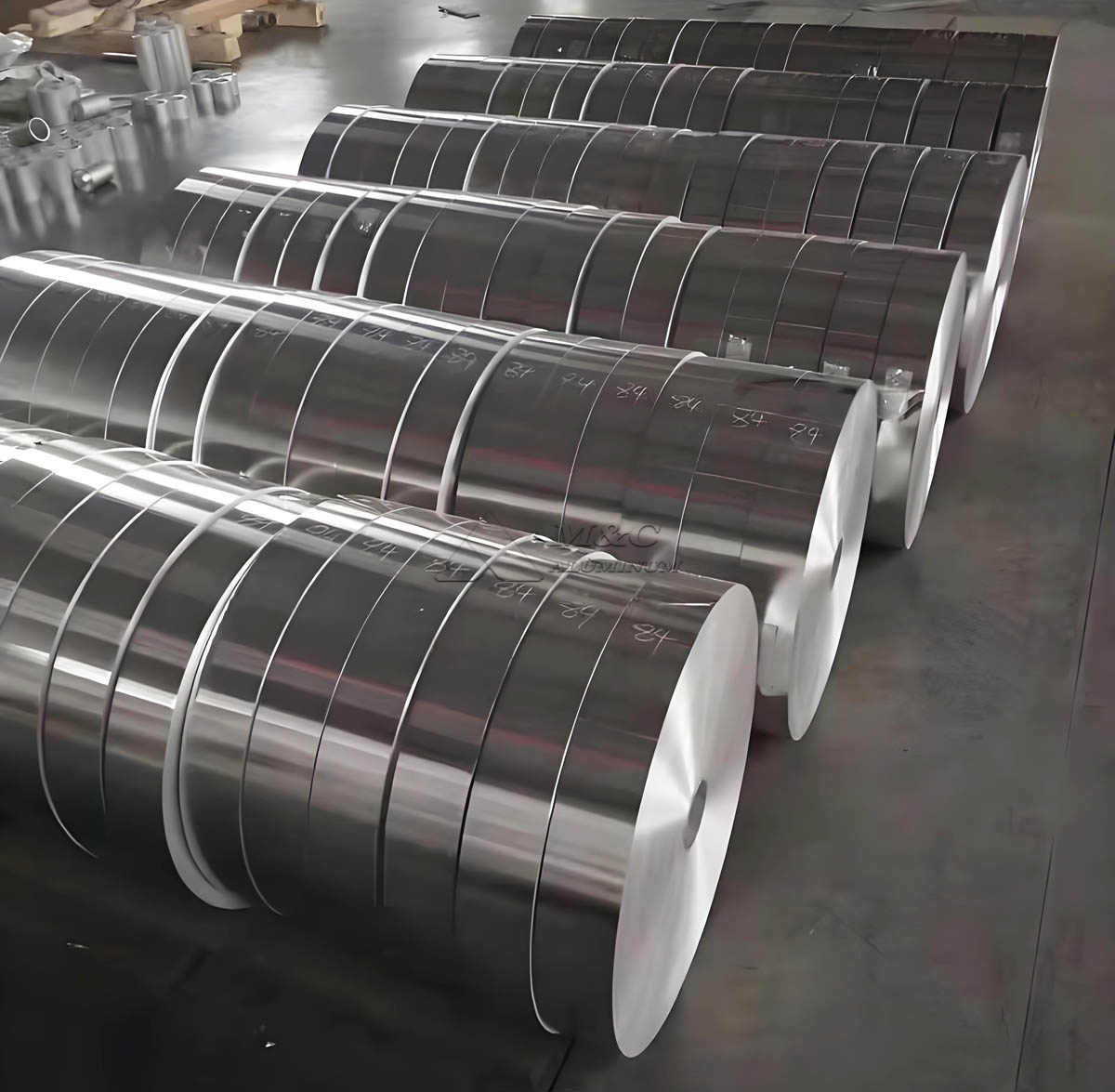
Why 1070-O is selected for transformer windings
High conductivity and stable losses
Transformer winding designers typically focus on minimizing I2R loss while meeting mechanical and thermal constraints. 1070 aluminum, with a minimum aluminum content around 99.7 percent, offers higher electrical conductivity than many alloyed grades. In practice, the benefit is stable resistivity from coil to coil, which supports predictable copper loss calculations and consistent temperature rise.
O temper for forming and winding reliability
The O temper is fully annealed. For transformer winding aluminum strip, this temper is often preferred because it:
Reduces springback during edgewise bending and layer formation.
Improves tolerance to minor misalignment or tension variation on winding equipment.
Lowers the risk of edge cracking during tight-radius turns.
Clean surface for insulation compatibility
In foil and strip windings, insulation paper, film, enamel, or interlayer coatings must adhere and wrap evenly. Manufacturing controls that matter here include rolling oil management, degreasing, and slitting burr control. We supply aluminum strip for transformer windings with surface condition suitable for insulation wrapping and consistent contact behavior.
Our manufacturing route and process controls
As a factory, we control each step that influences the final winding strip performance.
Melting and casting: We manage impurity limits (Fe, Si, etc.) to maintain conductivity and avoid coarse intermetallics that may affect bend performance.
Hot rolling and cold rolling: Rolling schedules are designed to achieve the specified thickness with good flatness and uniform mechanical properties across width.
Annealing to O temper: Our annealing practice targets full recrystallization and stable elongation, supporting tight bending and winding.
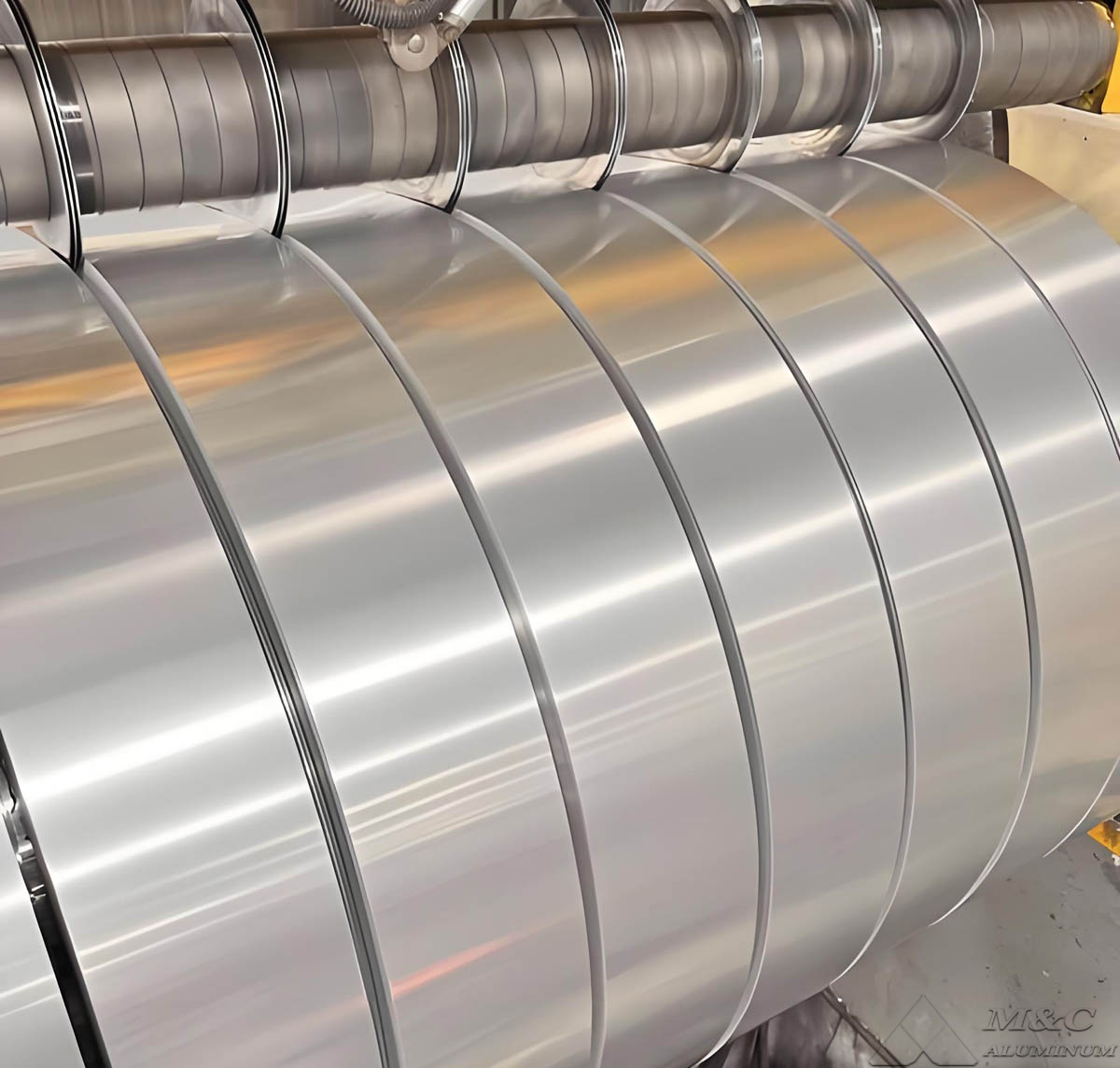
Slitting and edge conditioning: Slitting parameters are set to minimize burr height, edge waviness, and camber. This is critical to prevent insulation damage and winding defects.
Cleaning and packing: We use controlled oiling or dry surface options depending on the customer winding method. Coils are packed to avoid transit damage and contamination.
Technical specifications for 1070-O aluminum strip
The exact parameters vary with transformer design and winding equipment. Below is a typical capability range for our 1070-O aluminum strip for transformers. Values can be customized by agreement and confirmed on our inspection certificate.
| Item | Typical specification | Notes |
|---|---|---|
| Alloy | 1070 | Commercially pure aluminum |
| Temper | O (annealed) | For maximum ductility |
| Thickness range | 0.20 to 6.00 mm | Foil/strip winding to edgewise strip |
| Width range | 10 to 1250 mm | Slit to customer requirement |
| Inside diameter (ID) | 150, 300, 400, 500 mm | Other IDs available by request |
| Coil weight | 0.3 to 8.0 tons | Depends on thickness and width |
| Electrical conductivity | >= 61.0 percent IACS (typical) | Target depends on chemistry and process |
| Tensile strength | 60 to 95 MPa (typical) | O temper typical range |
| Elongation | >= 20 percent (typical) | Gauge dependent |
| Surface finish | Mill finish, clean | Controlled rolling oil and cleanliness |
| Edge | Slit edge, low burr | Burr control for insulation safety |
| Flatness | Controlled for winding | Defined per application |
| Standards (reference) | ASTM B209, EN 485 (as agreed) | Supplied per contract requirement |
Dimensional tolerance and edge quality for winding lines
Transformer winding performance is strongly influenced by dimensional consistency. We typically recommend that buyers specify:
Thickness tolerance: Tight control reduces winding height variation and improves fit-up in core windows.
Width tolerance: Stable width helps maintain layer alignment and reduces trimming waste.
Camber and telescoping limits: Lower camber helps automated winding.
Burr height and edge profile: Reduced burr minimizes insulation puncture risk.
For customers running high-speed foil winding machines, edge condition is often as critical as conductivity. Our slitting process is designed for transformer applications, with routine inspection of burr and edge waviness.
Application scenarios in transformer manufacturing
Foil windings and layer windings
For foil windings, aluminum strip must maintain stable thickness and flatness to avoid wrinkles, edge fold, and uneven tension. O temper supports smooth forming and helps prevent edge cracking when wrapping around corners.
Edgewise wound coils
For edgewise coils, the strip is bent on edge, and bend performance depends on ductility and uniform grain structure. 1070-O aluminum strip provides reliable forming for many edgewise designs when proper bend radius and tooling are used.
Distribution transformers and dry-type transformers
Both oil-immersed and dry-type transformer designs can use aluminum winding strip. The specific selection depends on thermal design, insulation system, and winding equipment. We supply material in coil form suitable for common winding processes and can support trial orders for line validation.
Quality assurance and inspection items we provide
As a manufacturer serving export and B2B engineering customers, we standardize key inspections for each lot:
Chemical composition: Verified to confirm 1070 grade and impurity control.
Conductivity testing: Routine checks for electrical consistency.
Mechanical testing: Tensile and elongation for O temper confirmation.
Dimensional inspection: Thickness, width, and coil geometry.
Surface inspection: Visual checks for scratches, pits, stains, and roll marks that could affect insulation.
Edge inspection: Burr and edge quality monitoring.
We can provide mill test certificates and, when required, support third-party inspection at our plant before shipment.
Packaging and logistics for transformer aluminum strip
Transformer winding strip is sensitive to edge damage and contamination. Our export packaging is designed to maintain coil integrity:
Protective wrapping against moisture and dust.
Edge protectors to reduce transit damage.
Stable pallets or skids suitable for forklift handling.
Clear coil identification for alloy, temper, size, net weight, and lot traceability.
If your winding process requires a specific coil orientation (eye to wall, eye to sky), ID size, or maximum outer diameter, we can align packaging and logistics to your equipment constraints.
Selection guidance for buyers
When sourcing 1070-O aluminum strip for transformer windings, we recommend confirming the following points in the purchase specification:
Application and winding method: foil winding, layer winding, or edgewise winding.
Target conductivity: define minimum IACS if conductivity is critical.
Thickness and width tolerances: aligned with winding machine capability.
Edge requirements: burr limit, edge rounding preference, and slit quality.
Surface condition and cleanliness: compatible with insulation system and any bonding process.
Coil dimensions: ID, OD limit, coil weight, and winding direction.
If you provide your transformer winding drawing or process notes, we can propose a matching strip specification and coil configuration.
Conclusion
1070-O aluminum strip is widely used as transformer winding material because it balances high conductivity with excellent formability in the fully annealed state. From alloy control through annealing and precision slitting, consistent manufacturing is essential to achieve reliable winding performance and insulation safety.
As a factory producing aluminum strip for transformers, we supply 1070-O aluminum strip in coils with controlled thickness, width, edge quality, and cleanliness, and we support technical alignment on tolerances, coil geometry, and inspection requirements for international transformer manufacturers.
Contact Us