
1100 H24 Aluminum Foil for Air Conditioner Fins
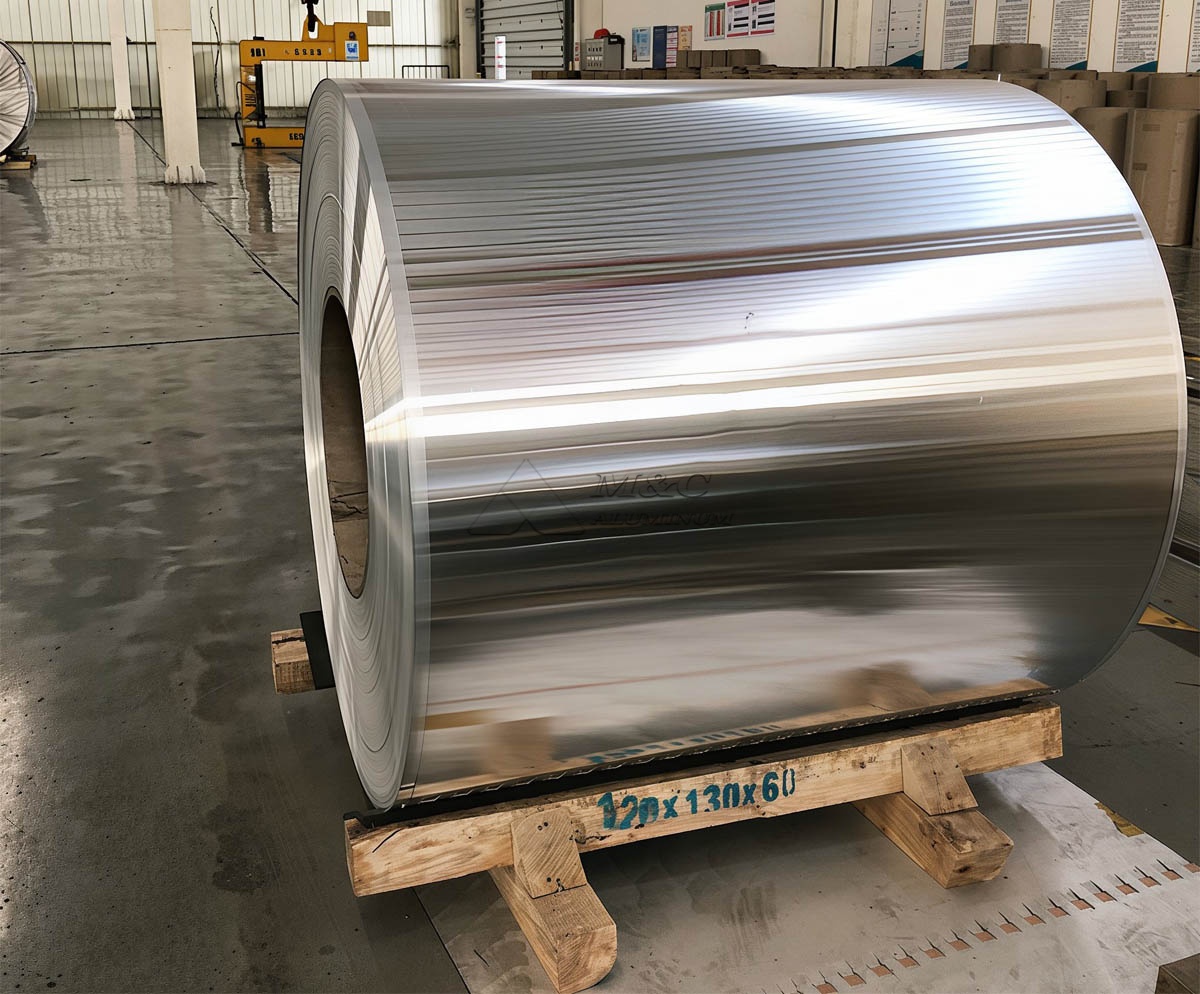
As a manufacturer of aluminum foil for HVAC heat exchanger production, we supply 1100 H24 aluminum foil engineered for air conditioner fin stock. This material combines the corrosion resistance and thermal conductivity of commercially pure aluminum with the controlled strength and formability required for high-speed fin stamping.
1100 H24 aluminum foil is widely used for condenser fins, evaporator fins, radiator-type heat exchanger components, and other heat-transfer assemblies. Its stable mechanical properties help fin manufacturers achieve consistent louver forming, collar drawing, fin pitch control, and coil-to-coil processing efficiency.
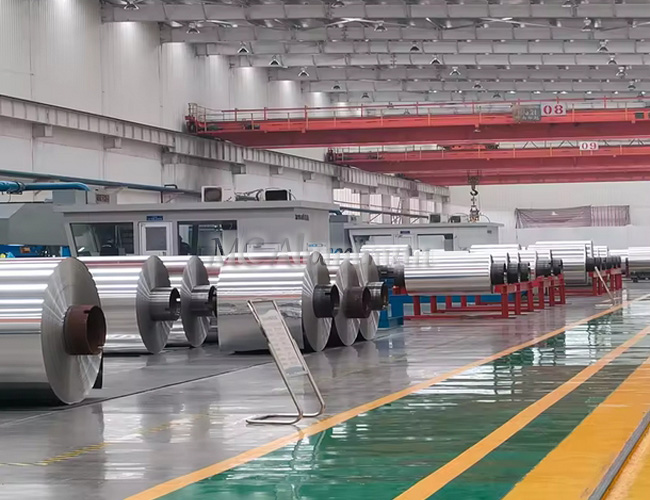
Our production process is designed around the requirements of air conditioner manufacturers and fin stamping plants. From alloy melting and casting through cold rolling, annealing, slitting, surface treatment, and final inspection, we control the variables that affect forming performance, surface cleanliness, and coating adhesion.
Why 1100 H24 Aluminum Foil Is Used for Air Conditioner Fins
Alloy 1100 is a commercially pure aluminum grade with a minimum aluminum content of 99.0 percent. It offers excellent workability, good thermal conductivity, and reliable resistance to atmospheric corrosion. These properties make it suitable for heat-transfer fins that must be thin, precisely formed, and durable in humid operating environments.
The H24 temper indicates strain hardening followed by partial annealing. Compared with fully soft foil, 1100 H24 aluminum foil provides higher tensile strength and better handling stability during stamping. Compared with harder tempers, it retains sufficient ductility for collar formation and complex louver geometries.
For HVAC fin production, the material must perform consistently beyond basic chemical composition. Fin stock requires uniform thickness, stable temper, controlled camber, low burr, and a clean surface suitable for hydrophilic coating. Our manufacturing controls are established to support these practical requirements in continuous stamping operations.
Key advantages of 1100 H24 aluminum foil for air conditioner fins include:
Good thermal conductivity for efficient heat transfer.
Consistent H24 temper for stable press forming.
Suitable elongation for louver punching and collar drawing.
Smooth, clean surface for hydrophilic or epoxy coating.
Good corrosion resistance in standard HVAC environments.
Accurate slit width and controlled edge quality.
Reliable coil flatness for automated fin press lines.
Technical Parameters
The following table shows common production ranges for our 1100 H24 aluminum foil. Final specifications can be adjusted according to the fin die design, coating process, and customer coil requirements.
| Item | Standard Range | Notes |
|---|---|---|
| Alloy | AA 1100 | Commercially pure aluminum |
| Temper | H24 | Strain hardened and partially annealed |
| Aluminum content | Minimum 99.0% | In accordance with 1100 alloy requirements |
| Thickness | 0.08-0.20 mm | Common HVAC fin range: 0.09-0.15 mm |
| Width | 100-1,300 mm | Slit coils available to required width |
| Coil inner diameter | 150 mm, 200 mm, 300 mm, 400 mm, 505 mm | Customized upon request |
| Coil outer diameter | Up to 1,700 mm | Subject to coil weight and transport requirements |
| Tensile strength | 95-135 MPa | Controlled according to thickness and application |
| Elongation | 4%-12% | Depends on thickness and test direction |
| Surface finish | Mill finish, hydrophilic coated, epoxy coated | Selected based on heat exchanger design |
| Surface quality | Clean, smooth, oil-controlled | No harmful scratches, pinholes, or edge cracks |
| Edge condition | Mill edge or trimmed edge | Low-burr slitting for fin stamping |
Manufacturing Process for HVAC Fin Stock
We manufacture 1100 aluminum foil from controlled aluminum melt and continuously cast feedstock. The cast material is processed through multiple cold-rolling stages to reach the required foil gauge. Rolling reduction schedules are selected to maintain thickness uniformity and support the target H24 mechanical properties.
After intermediate processing, the foil is partially annealed to establish the H24 temper. Temperature control during annealing is important because the final tensile strength, elongation, and forming stability are directly affected by the thermal cycle. We monitor these conditions to minimize variation between coils.
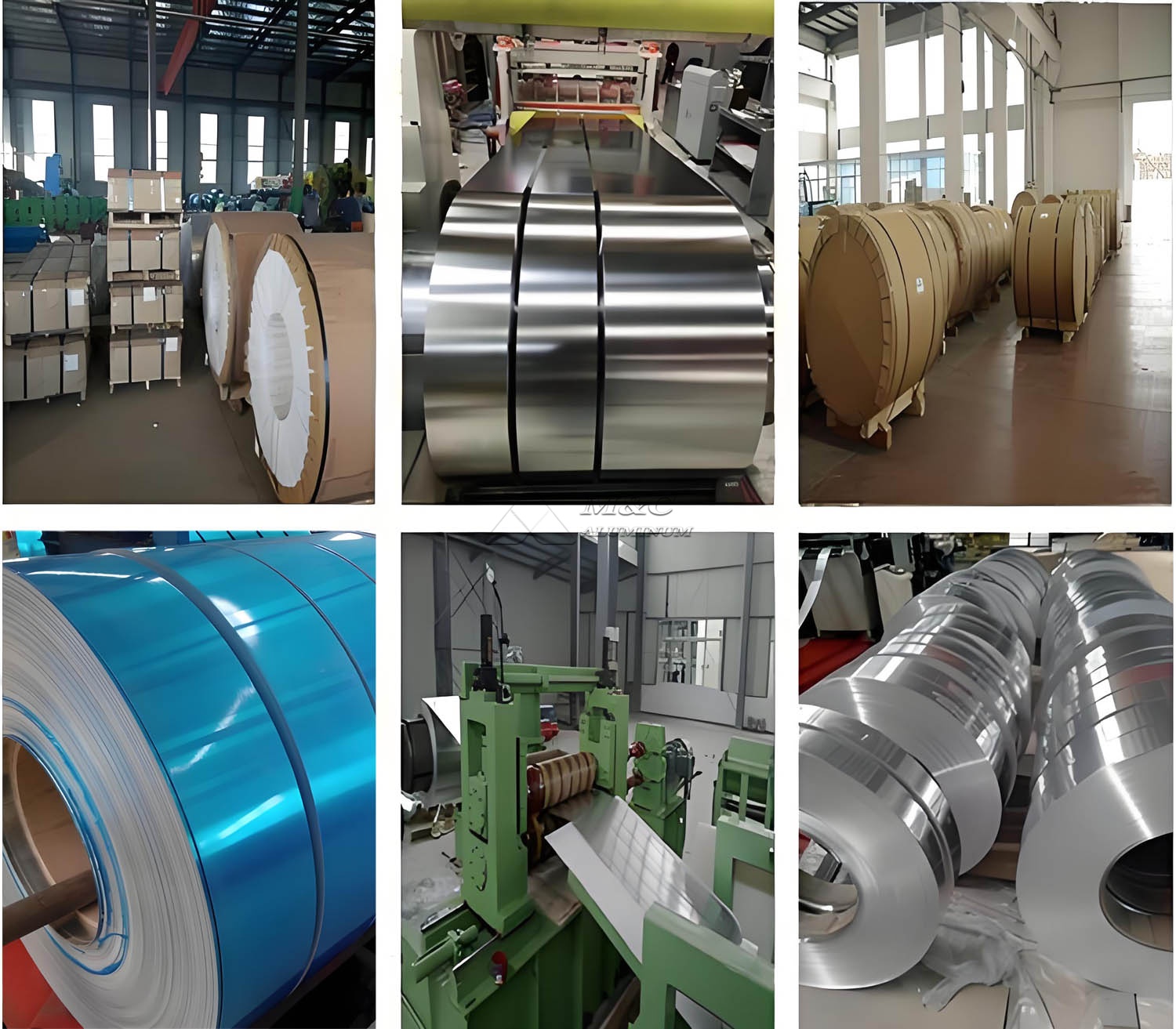
The material is then slit to the specified width. For air conditioner fin foil, edge quality is especially important because burrs or poor slit edges may affect feeding, punching accuracy, and die life. Our slitting process is adjusted according to thickness, width, and required coil tension to provide clean and stable edges.
For projects requiring broader product comparison, our 1100 Aluminum Foil range also includes mill-finish coils for industrial forming and surface-treatment applications.
Hydrophilic Coating and Surface Performance
Air conditioner fins are often supplied with a hydrophilic coating. This coating improves water drainage from the fin surface during cooling operation, helping reduce retained condensate, water bridging, and associated airflow resistance. A properly applied coating can also contribute to improved corrosion protection in humid service conditions.
Our hydrophilic aluminum foil is produced using a controlled coating and curing process. Before coating, the aluminum surface is prepared to support uniform adhesion. Coating weight, color, wettability, curing conditions, and surface appearance are checked according to the applicable customer specification.
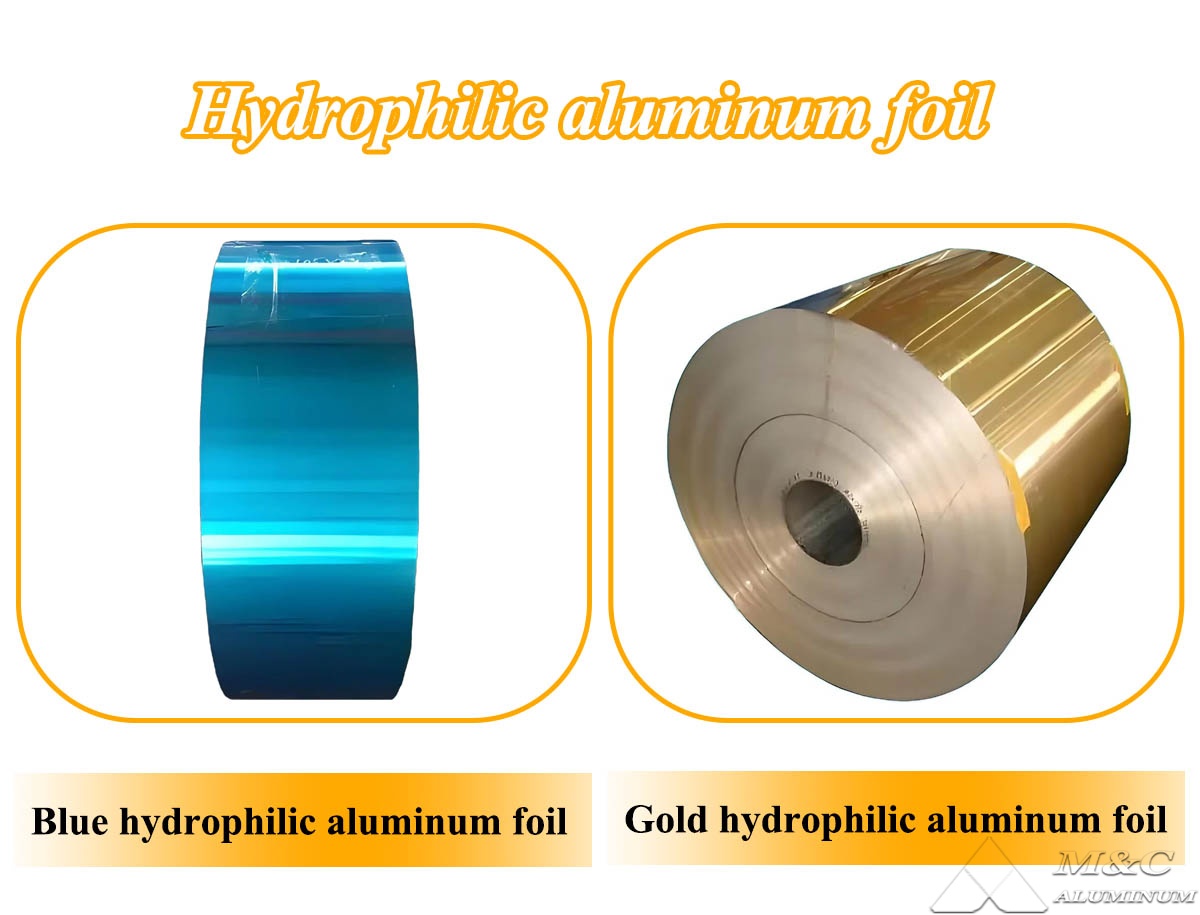
Depending on the project, we can supply 1100 H24 aluminum foil in the following surface conditions:
Bare mill-finish aluminum foil for customer-side coating.
Blue hydrophilic coated aluminum foil.
Gold hydrophilic coated aluminum foil.
Epoxy-coated aluminum foil for enhanced corrosion resistance.
Customized coated foil based on defined film thickness and performance requirements.
Surface cleanliness is essential for both coated and uncoated fin stock. Residual rolling oil, dust, uneven coating, or surface defects may influence coating adhesion and stamping behavior. We apply production controls to maintain consistent surface condition before packing.
Forming Performance in Fin Press Operations
Air conditioner fin production commonly involves high-speed punching, louver forming, collar drawing, and expansion after tube insertion. The aluminum foil must withstand these operations without excessive cracking, wrinkling, deformation, or burr formation.
1100 H24 aluminum foil offers a useful balance between rigidity and ductility. Its temper provides adequate resistance to distortion during handling while allowing the material to form collars around copper or aluminum tubes. This is particularly important for heat exchangers with closely controlled tube spacing and fin geometry.
When selecting foil thickness and temper, we recommend evaluating the following production factors:
Fin design, including louver angle, collar height, and fin pitch.
Press speed and die condition.
Tube diameter and expansion method.
Required heat-transfer efficiency and product weight target.
Whether hydrophilic or corrosion-resistant coating is required.
Coil width, coil weight, and feeding equipment capability.
Our technical team can align coil specifications with the practical needs of fin tooling and downstream assembly. This helps reduce trial adjustments and supports stable manufacturing output.
Quality Control for 1100 H24 Aluminum Foil
Our quality control procedures cover incoming raw material, rolling production, annealing, slitting, coating, and final shipment inspection. Each coil is checked against the agreed specification before packing.
Typical inspection items include:
Chemical composition verification.
Thickness measurement across the strip width.
Width, camber, and coil dimensional inspection.
Tensile strength and elongation testing.
Surface inspection for scratches, stains, pinholes, and rolling marks.
Edge burr and slit quality inspection.
Coating appearance, adhesion, wettability, and curing checks for hydrophilic foil.
Coil weight, winding quality, and packaging verification.
For heat exchanger applications, consistency is often more important than isolated test results. Therefore, we focus on maintaining stable production parameters from coil to coil. This supports reliable stamping performance and reduces variation during large-volume HVAC production.
Applications of 1100 H24 Air Conditioner Aluminum Foil
Our 1100 H24 aluminum foil is used primarily in finned heat exchanger systems, including:
Residential split air conditioner evaporator fins.
Residential and commercial condenser fins.
Window air conditioner heat exchanger fins.
Automotive auxiliary HVAC heat exchanger components.
Dehumidifier and refrigeration equipment fins.
Ventilation and heat recovery equipment.
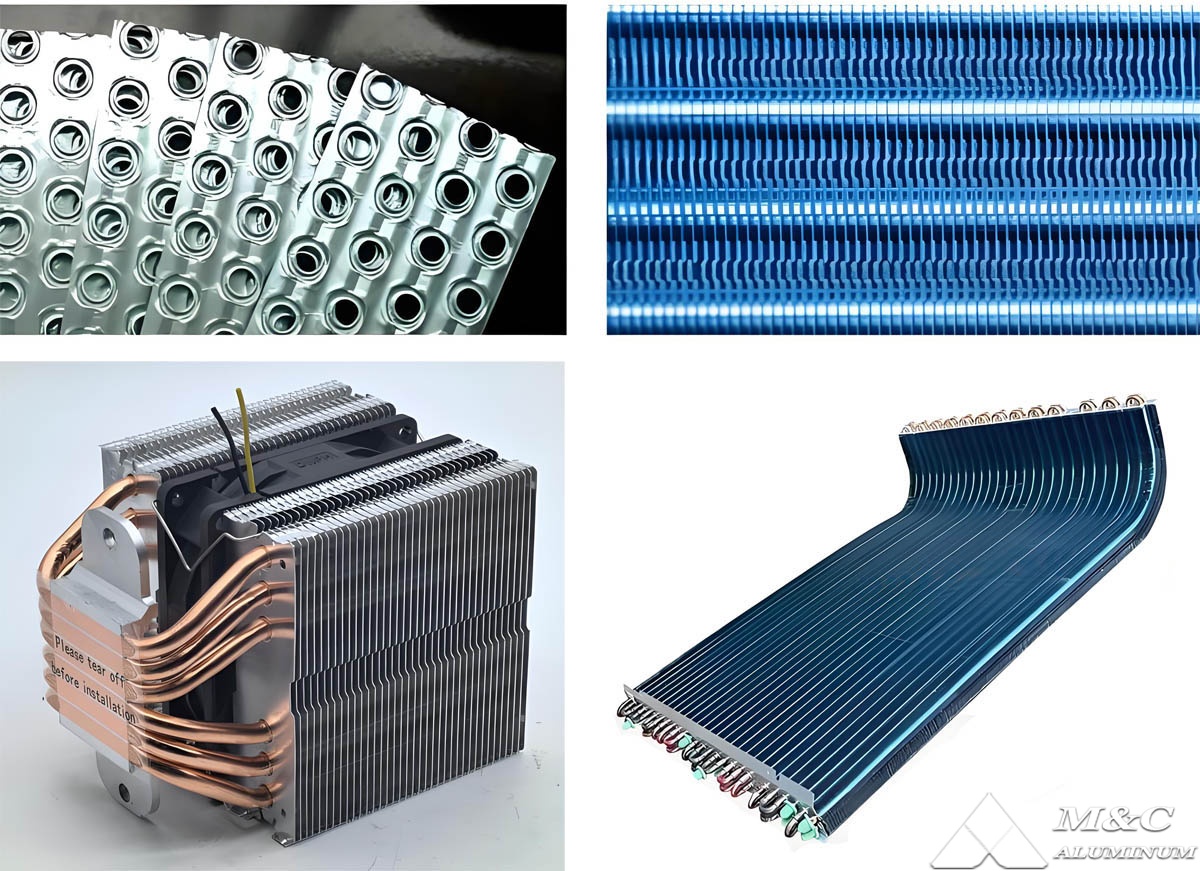
For buyers sourcing dedicated HVAC materials, our Aluminium Foil For Air Conditioner program covers coated and uncoated foil options for different heat exchanger designs.
Packaging and Supply Requirements
We pack air conditioner fin foil in accordance with export transportation and factory handling requirements. Coils are protected with moisture-resistant materials, reinforced wrapping, edge protection, and pallets or wooden supports when required. Packaging design is selected to reduce the risk of telescoping, edge damage, moisture exposure, and surface contamination during storage and shipment.
Before production, we confirm key commercial and technical details, including alloy, temper, thickness tolerance, width tolerance, coil inner diameter, maximum coil weight, surface treatment, packaging method, and applicable inspection standards. Clear specification confirmation helps ensure the foil is compatible with the customer's fin press line and coating process.
Conclusion
1100 H24 aluminum foil for air conditioner fins is a practical material choice where thermal conductivity, controlled formability, surface quality, and corrosion resistance are required. As a foil manufacturer, we produce this HVAC fin stock with controlled rolling, tempering, slitting, coating, and inspection processes to support stable heat exchanger manufacturing. Material specifications can be tailored to the requirements of fin design, stamping equipment, and end-use operating conditions.
Contact Us