
1/8 Inch Marine Grade Aluminum Sheet Price
International buyers often face the same frustrations when sourcing 1/8 inch marine grade aluminum sheet: quotes that are difficult to compare, inconsistent definitions of what is truly "marine grade," and unexpected cost adders after the order is placed. In practice, price is rarely determined by thickness alone. Alloy selection, temper, surface requirements, cutting tolerances, and certification paperwork can move the landed cost materially, especially for overseas shipments.
This article explains the main factors behind 1/8 inch marine grade aluminum sheet price, with a focus on material behavior in saltwater exposure, typical alloys used in marine fabrication, how common tempers affect forming and welding, and where each alloy is normally applied.
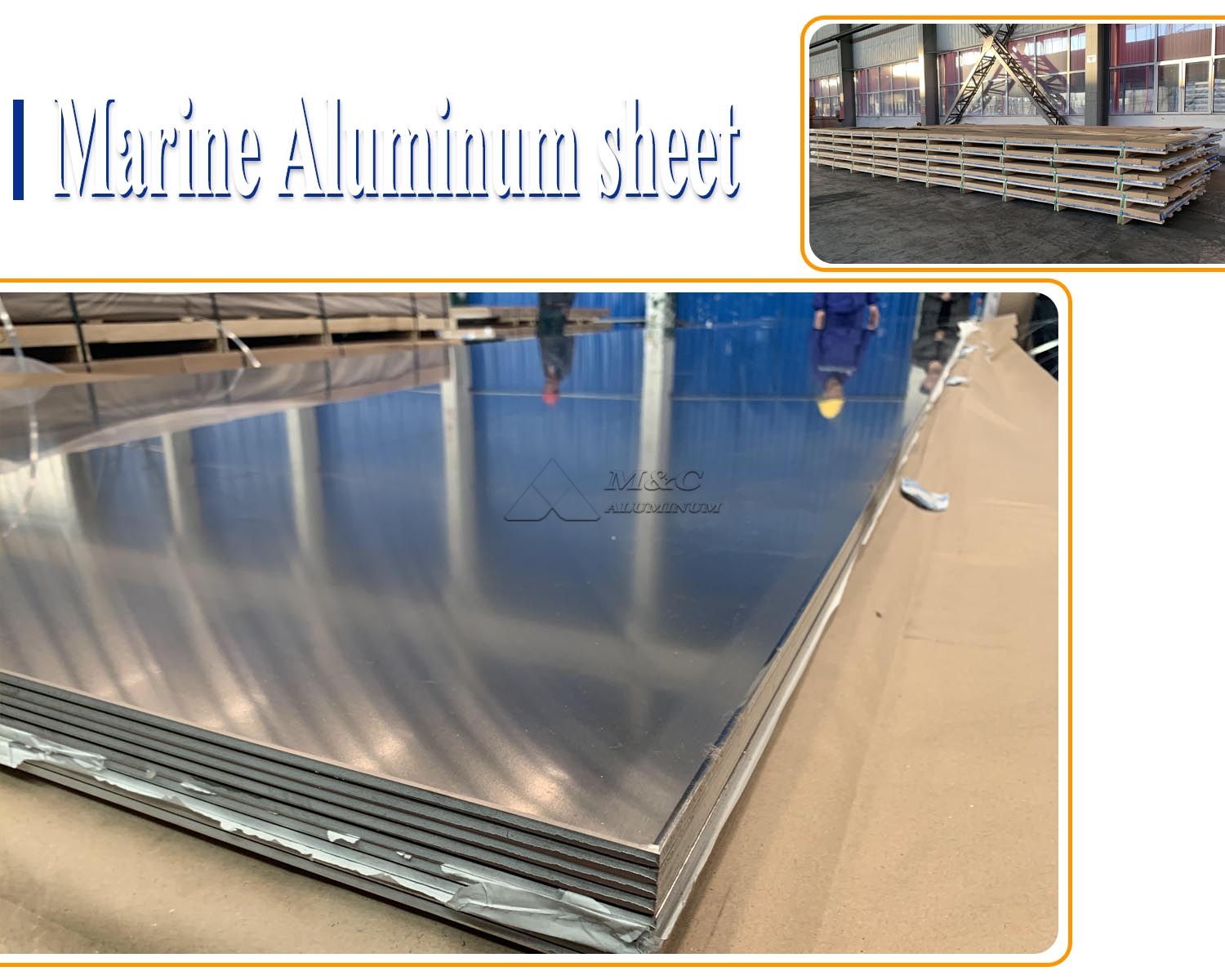
Why 1/8 Inch Marine Grade Aluminum Sheet Price Varies
Although 1/8 inch (0.125 in, approximately 3.175 mm) is a common gauge for marine components, pricing varies because buyers are not always purchasing the same product.
Key pricing drivers in marine sheet procurement
Alloy family and availability :Most marine sheet demand centers on 5xxx series Al-Mg alloys (for corrosion resistance and weldability) and, for certain structures, 6xxx series (for strength and machinability). Market availability can differ by region and mill schedule.
Temper and property requirements :Tempers influence strength, formability, and resistance to sensitization. A sheet quoted in O temper may price differently than the same alloy in H32, H116, or H321 due to processing steps and yield expectations.
Dimensional format and tolerances :Standard mill sizes are generally more economical than custom widths or tight flatness tolerances. Precision shearing, edge trimming, and protective films add cost.
Surface condition and finishing :Mill finish is common for marine fabrication. If the project requires anodizing suitability, cosmetic surface standards, or specific surface inspection requirements, pricing typically changes.
Documentation and compliance scope :Buyers may need mill test reports and compliance to common aluminum product standards. Additional third party inspection, special marking, or batch segregation may affect cost and lead time.
What "Marine Grade" Means in Practice
In marine environments, "marine grade" generally implies the material can tolerate chloride exposure and intermittent wetting without rapid pitting or galvanic degradation when properly designed and maintained. For sheet products, this often points to 5xxx series alloys, especially 5052, 5083, 5086, and 5754.
These Al-Mg alloys offer:
High corrosion resistance in seawater and coastal atmospheres compared with many non-marine alloys.
Strong welding performance for MIG and TIG fabrication.
Good forming characteristics at moderate strength levels.
By contrast, some high-strength aerospace-oriented alloys can be less suitable in marine service without careful corrosion protection. For overseas procurement, verifying the exact alloy and temper is usually the most effective way to avoid mismatched expectations.
Alloy Advantages at 1/8 Inch Thickness
At 1/8 inch, many buyers need a balance of stiffness, formability, and weldability. The alloys below are common reference points for aluminum sheet for boat building, gangways, railings, and offshore ancillary structures.
5052: reliable forming and general marine corrosion resistance
5052 is widely used for marine accessories, brackets, enclosures, and formed panels where bendability matters. It is often specified when the part requires tighter radii or more complex forming.
Strength level: moderate
Forming: very good in typical strain ranges
Welding: good
Corrosion performance: strong for many marine components
For buyers comparing product families, a dedicated listing such as 5052 Aluminum Sheet can be useful when a project requires consistent forming performance with marine durability.
5083 and 5086: stronger 5xxx options for welded structures
5083 and 5086 are frequently selected for more demanding structural and welded marine applications. They are common in hull-related structures, decks, and high-load assemblies where higher strength is desirable.
Strength level: higher than 5052 in many tempers
Welding: strong performance, commonly used in welded construction
Marine corrosion: very good, often selected for seawater exposure
When buyers are evaluating alternatives for structural panels, 5083 Aluminum sheet is a common benchmark in marine fabrication discussions.
5754: balanced corrosion resistance and fabrication behavior
5754 is used in transportation and marine-adjacent applications, offering a good balance between corrosion resistance and workability. Availability may vary by market.
6061: strong and machinable, but different corrosion behavior
6061 is popular for structural components, machined parts, and extruded profiles. It offers good strength and machinability, but in some marine designs it is chosen with more attention to corrosion protection and joining details than typical 5xxx sheet.
Strength: good
Machining: very good
Welding: workable, though design considerations differ from 5xxx
Corrosion: generally good, but marine designers often manage galvanic coupling and finishing carefully
Processing Performance: Cutting, Forming, and Welding
Overseas buyers frequently evaluate not only the sheet price per kilogram or per square meter, but also fabrication yield and rework risk.
Cutting and flatness
At 1/8 inch, sheets are commonly cut by shearing, sawing, waterjet, or CNC routing. Flatness can matter for decks, panels, and assemblies that must fit without distortion. Specifying realistic flatness requirements helps avoid unnecessary cost.
Forming behavior and bend expectations
5052 in H32 is often selected when a part needs repeatable bending without cracking.
5083 in marine tempers (H116, H321) is used when strength and marine service are prioritized; forming is feasible but bend radii should be evaluated based on part geometry and tooling.
Welding performance
For welded boat and offshore fabrication, 5xxx alloys are preferred largely because they weld well and retain useful mechanical properties after welding. Good practice includes suitable filler selection, clean joint preparation, and attention to heat input.
Understanding Common Tempers for Marine Aluminum Sheet
Temper designations describe how the material was processed to achieve specific mechanical property ranges. For marine sheet, the temper can be as important as the alloy.
O temper (annealed)
What it indicates: fully annealed, maximum ductility
When it is used: complex forming, deep drawing, or components requiring significant bending
Trade-off: lower strength, so it may not be ideal where stiffness is required
H32 (strain hardened and stabilized)
Common on 5052 sheet.
What it indicates: strain hardened to a quarter-hard level, then stabilized
When it is used: general marine fabrications requiring a balance of strength and formability
Benefits: consistent forming, good overall corrosion resistance in typical service
H116 and H321 (marine service-oriented tempers)
Often associated with 5083 and related 5xxx alloys in marine applications.
What they indicate: processing intended for improved performance in marine environments, with controls relevant to corrosion behavior in certain service conditions
When they are used: hull structures, decks, and components exposed to seawater or coastal atmospheres where proven marine history matters
Practical note: buyers usually specify these tempers to align with established marine fabrication practices and project specifications
T6 (solution heat treated and artificially aged)
Common for 6061.
What it indicates: heat treated to higher strength
When it is used: structural frames, machined parts, and applications where higher strength-to-weight and machinability are important
Trade-off: forming is more limited than annealed or H tempers; corrosion strategy and joint design should be considered in marine assemblies
Typical Marine Uses for 1/8 Inch Aluminum Sheet
At 1/8 inch thickness, buyers often select aluminum sheet for a mix of stiffness, weight reduction, and fabrication speed.
Common applications include:
Decking and access panels
Gangways, ladders, and walkways
Railings, brackets, consoles, and instrument panels
Porthole rings, trims, and protective covers
Offshore platform ancillary components and enclosures

In many of these uses, corrosion resistance is not only a material property but also a design outcome. Drainage, crevice avoidance, isolation from dissimilar metals, and appropriate coatings or anodizing where needed can meaningfully affect service life.
Practical Price Benchmarks: What to Compare in Quotes
When comparing 1/8 inch marine grade aluminum sheet price across suppliers, the most meaningful comparison is not the headline number but the total delivered specification. A quote is easier to validate when it explicitly includes:
Alloy (for example, 5052, 5083, 5086, 5754, 6061)
Temper (for example, H32, H116, H321, O, T6)
Sheet size and thickness tolerance expectations
Surface condition (mill finish, film, cosmetic requirements if any)
Cutting or leveling requirements
Documentation scope (mill test report and any agreed inspection)
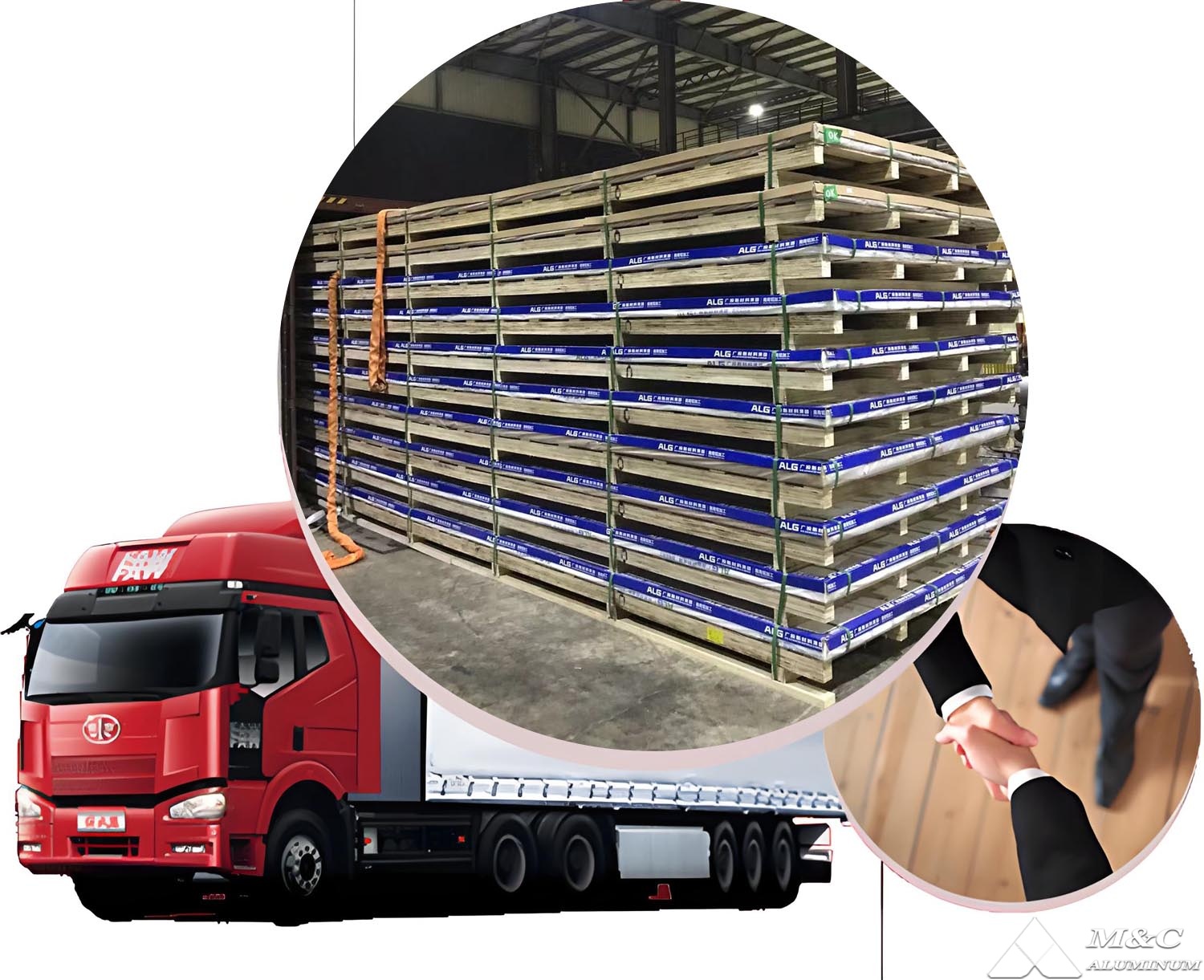
Packaging suitable for ocean freight (edge protection, moisture control)
This approach reduces the risk of receiving a sheet that is technically aluminum, but not suitable for marine fabrication or consistent production yields.
Standards, Documentation, and Certifications (Non-Fabricated Overview)
Exact compliance requirements depend on project specifications, country regulations, and end-use. The table below lists common, widely used aluminum product documentation and standard families that are often referenced in international trade. Final applicability should be confirmed against the buyer technical specification and the supplier mill capabilities.
| Category | Typical item (examples) | What it covers at a high level | Notes for overseas buyers |
|---|---|---|---|
| Material documentation | Mill Test Report (MTR) / Inspection Certificate | Chemical composition and mechanical test results for the batch | Often requested for traceability; content varies by mill and order scope |
| Aluminum sheet/plate standards (US) | ASTM product standards for aluminum sheet/plate | Dimensional tolerances and general requirements | Exact ASTM designation depends on alloy family and product form |
| Aluminum sheet/plate standards (EU) | EN standards for aluminum wrought products | Requirements for composition, properties, and tolerances | Specific EN number depends on alloy and product type |
| Quality management | ISO 9001 (company-level) | Quality management system certification | Not product certification; commonly requested for supplier qualification |
| Marine class requirements (project-specific) | Classification society rules (as specified) | Additional requirements for certain ship/offshore structures | Only applicable when the project requires class approval and documented traceability |
Summary: Aligning Price With Performance
For overseas buyers, 1/8 inch marine grade aluminum sheet price is best understood as a function of alloy and temper choice, fabrication requirements, and documentation scope rather than thickness alone. In most marine sheet applications, 5xxx series alloys such as 5052, 5083, and 5086 are selected for their corrosion resistance and weldability, while 6061 is used when higher strength and machining performance are central to the design.
A clear specification that names the alloy, temper, and processing expectations makes quotations comparable and reduces the risk of receiving material that performs well on paper but creates avoidable fabrication challenges in the shop or premature degradation in service.
Contact Us