
5052 Vs 5083 Aluminum for Boat Building
For aluminum boat builders, selecting the correct alloy is a structural and long-term durability decision. Both 5052 and 5083 are non-heat-treatable 5xxx series aluminum-magnesium alloys with strong resistance to marine corrosion. However, their strength levels, typical tempers, thickness ranges, welding behavior, and preferred boat applications are different.
As a manufacturer of marine aluminum sheet and plate, we produce 5052 and 5083 materials for hull structures, decks, superstructures, tanks, gangways, and related fabricated components. In most vessel designs, 5083 is selected for highly loaded hull plating, while 5052 is often used for lighter fabricated parts and non-primary structural applications. The final choice should be based on design load, plate thickness, fabrication process, operating environment, and applicable classification requirements.
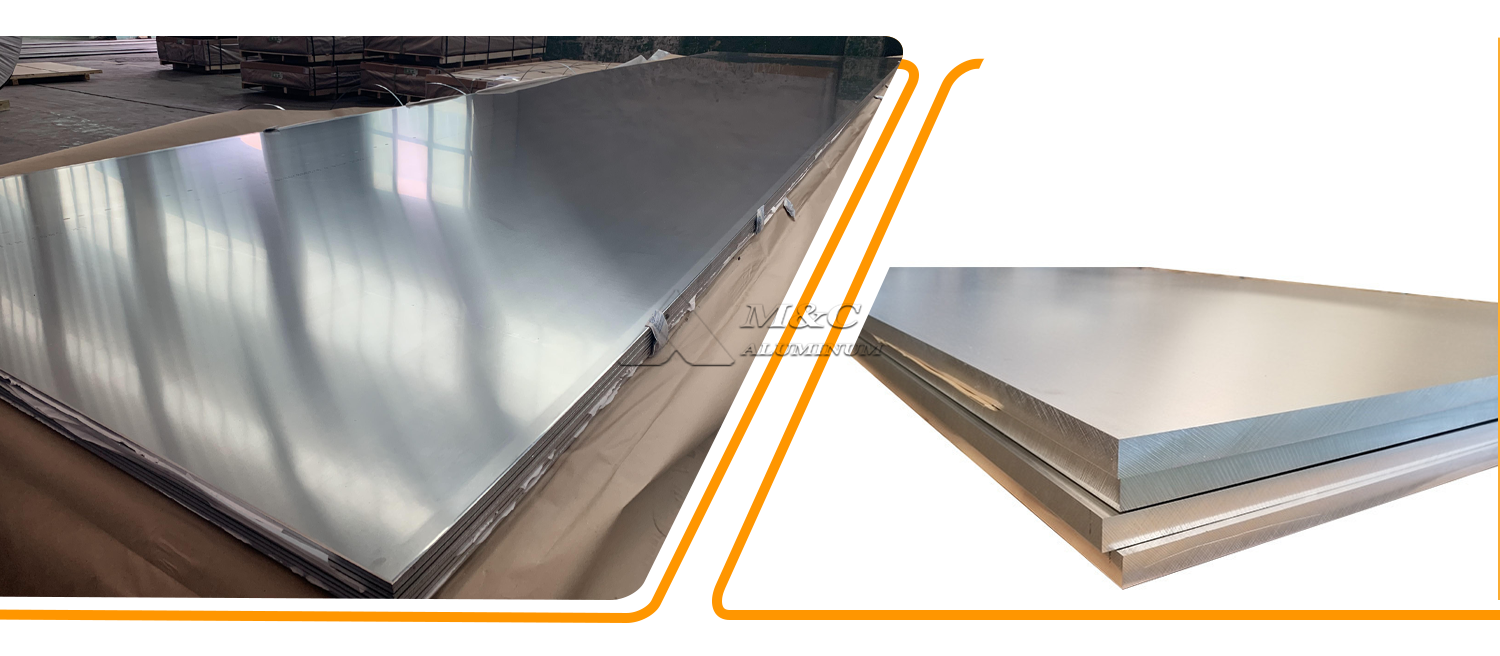
Overview of 5052 and 5083 Marine Aluminum Alloys
5052 aluminum is an aluminum-magnesium alloy containing approximately 2.2% to 2.8% magnesium. It has good forming performance, reliable weldability, and excellent resistance to general atmospheric and saltwater exposure. It is widely supplied as 5052 H32 marine aluminum sheet for boat interiors, consoles, deck fittings, lockers, fuel tanks, and formed marine components.
5083 aluminum contains a higher magnesium content, generally 4.0% to 4.9%, together with manganese and chromium additions. This composition provides substantially higher strength while preserving very good corrosion resistance and weldability. For this reason, 5083 aluminum boat plate is one of the most frequently specified materials for welded hulls, bottom plating, transverse bulkheads, and offshore marine structures.
Both alloys are suitable for marine fabrication, but they are not interchangeable in every location of a vessel. Using 5052 where a high-strength hull plate is required can limit structural performance. Conversely, specifying 5083 for lightly loaded formed parts may add cost and reduce forming convenience without a corresponding engineering benefit.
Chemical Composition Comparison
The higher magnesium level in 5083 is the main reason for its improved strength compared with 5052. Controlled chemistry, homogenization, rolling reduction, and final temper processing are essential to achieve stable marine-grade properties.
| Element, wt. % | 5052 Aluminum | 5083 Aluminum |
|---|---|---|
| Magnesium, Mg | 2.2-2.8 | 4.0-4.9 |
| Manganese, Mn | 0.10 max. | 0.4-1.0 |
| Chromium, Cr | 0.15-0.35 | 0.05-0.25 |
| Iron, Fe | 0.40 max. | 0.40 max. |
| Silicon, Si | 0.25 max. | 0.40 max. |
| Copper, Cu | 0.10 max. | 0.10 max. |
| Aluminum, Al | Balance | Balance |
Values are typical specification ranges. Exact chemistry must be confirmed against the applicable standard, purchase specification, and mill test certificate.
Mechanical Properties for Boat Building
Mechanical properties vary with thickness, temper, product form, and governing standard. For marine projects, designers should use certified values from the material test report rather than relying only on nominal data. The following table provides practical comparison values commonly considered during preliminary material selection.
| Property | 5052-H32 Aluminum Sheet | 5083-H116/H321 Marine Plate |
|---|---|---|
| Typical tensile strength | 195-255 MPa | 275-350 MPa |
| Typical yield strength | 130-195 MPa | 125-215 MPa |
| Elongation | Good | Good to very good |
| Density | Approx. 2.68 g/cm3 | Approx. 2.66 g/cm3 |
| Corrosion resistance in seawater | Excellent | Excellent |
| Weldability | Excellent | Excellent |
| Formability | Very good | Moderate to good |
| Typical marine use | Formed parts, tanks, interiors | Hulls, bottoms, decks, bulkheads |
The tensile strength advantage of 5083 is significant in applications where plate stiffness and resistance to operational loads are critical. Since both alloys have similar density, 5083 can often support a higher-strength design without a weight penalty from the alloy itself. Thickness optimization remains dependent on vessel rules, welding layout, framing arrangement, impact requirements, and local reinforcement design.
Corrosion Resistance in Saltwater Service
Corrosion resistance is a fundamental requirement for aluminum for boat building. Both 5052 and 5083 develop a stable aluminum oxide layer that protects the surface in marine atmospheres and seawater environments. They are therefore more suitable for marine service than many high-copper aluminum alloys.
5052 offers dependable corrosion resistance for fabricated boat components exposed to splash, humidity, and moderate saltwater contact. It is particularly useful when parts require bending, pressing, or deep forming.
5083 has a long record of service in welded marine hull structures. In suitable tempers such as H116 and H321, it is designed to provide strong resistance to exfoliation corrosion in marine environments. These tempers are especially relevant for plate used above and below the waterline, including hull sides, bottom plating, deck structures, and bulkheads.
Corrosion performance also depends on fabrication quality. Good drainage, electrical isolation from dissimilar metals, proper coating design where required, and removal of welding contaminants all contribute to vessel durability. Even the best marine grade aluminum plate can experience galvanic corrosion if directly coupled with unsuitable steel, copper-based alloys, or conductive deposits in wet service.
Welding Performance and Heat-Affected Zones
5052 and 5083 are both readily welded using MIG or TIG processes with appropriate filler alloys, such as 5183, 5356, or 5556 where applicable. Their non-heat-treatable nature is an advantage for marine fabrication because they do not rely on artificial aging to achieve their principal properties.
However, strain-hardened tempers lose some strength in the heat-affected zone adjacent to a weld. This must be considered during boat structural design. The welded joint should be assessed according to the relevant vessel standard, welding procedure specification, filler metal, and joint configuration.
For a welded aluminum boat hull, 5083 is generally preferred because its base-metal strength and marine service history support demanding structural applications. Our production control includes chemistry verification, rolling process control, dimensional inspection, and surface examination to help fabricators obtain consistent welding results.
5052 remains a practical option for welded tanks, boxes, lightweight covers, and formed components. Its excellent workability can reduce cracking risk during bending and shaping, particularly where tight radii or more complex profiles are required.
Formability and Fabrication Differences
5052 has better formability than 5083, especially in softer or moderately strain-hardened tempers. It can be bent, stamped, and formed into marine parts with less forming force. This makes it suitable for small craft accessories, cabinets, interior panels, battery trays, fish holds, and fuel tank components.
5083 is stronger and therefore requires greater care during bending and forming. Minimum bend radius should be determined according to temper and thickness. For large hull panels with gentle curvature, 5083 can be formed successfully using proper equipment and controlled fabrication procedures. For sharply formed details, designers may consider whether 5052 provides a more efficient solution.
We supply 5052 Aluminum Sheet in thicknesses and tempers appropriate for formed marine components, while our 5083 Aluminum sheet range is produced for structural plate applications requiring higher strength and seawater resistance.
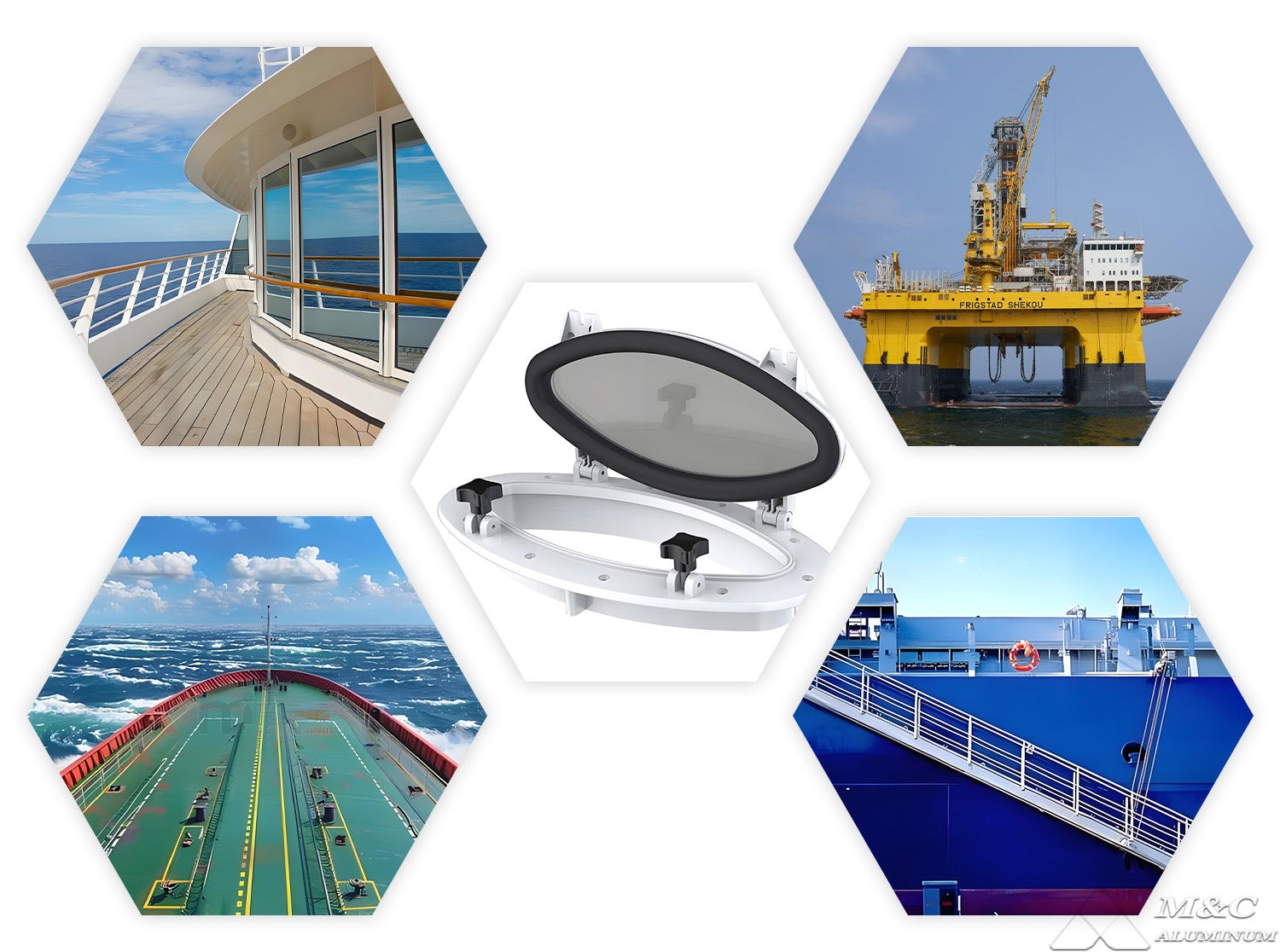
Typical Applications on Boats
The selection between 5052 and 5083 should follow the function of each component rather than a single-alloy approach for the entire vessel.
| Boat Component | Recommended Alloy | Reason for Selection |
|---|---|---|
| Hull bottom plating | 5083-H116/H321 | Higher strength and marine corrosion resistance |
| Hull side plating | 5083-H116/H321 | Suitable for welded structural panels |
| Deck plating | 5083 or 5052 | Select according to structural loading and forming needs |
| Bulkheads and stringers | 5083 | Better structural capability |
| Fuel tanks | 5052 or 5083 | 5052 is widely used for formed tank fabrication |
| Cabin panels and interiors | 5052 | Good formability and corrosion resistance |
| Lockers, covers, and consoles | 5052 | Easier bending and shaping |
| Gangways and working platforms | 5083 | Better strength for load-bearing service |
Which Alloy Is Better for an Aluminum Boat Hull?
For primary hull construction, 5083 is usually the better choice. Its higher strength, excellent weldability, and established performance in seawater make it suitable for fishing boats, patrol boats, workboats, ferries, landing craft, yachts, and offshore structures. Common marine tempers include H116 and H321, selected to support corrosion resistance in harsh saltwater conditions.
5052 can be used in selected hull-related applications, particularly on smaller boats or in lightly loaded sections. Nevertheless, it is more commonly chosen for auxiliary components than for the main bottom or side shell of a demanding welded vessel. When hull thickness is limited or operating loads are high, 5083 provides a more appropriate strength margin.
Manufacturing and Inspection Considerations
Marine aluminum sheet quality is not defined by alloy designation alone. At our mill, the production route includes controlled melting, composition adjustment, casting, scalping, hot rolling, cold rolling where required, heat treatment or stabilization for specified tempers, leveling, cutting, and final inspection.
For marine projects, buyers should define the following requirements clearly in the purchase order:
Alloy and temper, such as 5052-H32 or 5083-H116.
Thickness, width, length, and dimensional tolerances.
Applicable standard, including ASTM, EN, ABS, DNV, or project-specific requirements.
Surface condition, including freedom from harmful scratches, oil, oxide marks, and edge defects.
Mill test certificate requirements for chemical composition and mechanical properties.
Ultrasonic testing, classification documentation, or third-party inspection where required.
Conclusion
The comparison of 5052 vs 5083 aluminum for boat building is primarily a balance between formability and structural strength. 5052 provides excellent corrosion resistance, weldability, and fabrication performance for tanks, interiors, formed panels, and auxiliary equipment. 5083 provides higher strength and is the preferred marine aluminum alloy for welded hulls, bottom plates, decks, bulkheads, and other load-bearing structures.
For reliable material selection, boat builders should match alloy, temper, thickness, and certification requirements to the vessel design and service environment. As a marine aluminum manufacturer, we support this process by supplying traceable 5052 and 5083 aluminum sheet and plate with controlled dimensions, stable properties, and documentation suited to international marine fabrication requirements.
Contact Us