
5086 H116 / H117 Aluminum Plate for Shipbuilding
As a manufacturer of marine-grade aluminum products, we produce 5086 H116 and 5086 H117 aluminum plate for vessels, offshore structures, dock equipment, and other seawater-exposed fabrications. This aluminum-magnesium alloy is widely specified where corrosion resistance, weldability, moderate-to-high strength, and reduced structural weight are required.
5086 aluminum plate belongs to the 5xxx series non-heat-treatable aluminum alloys. Its primary alloying element is magnesium, supported by manganese and chromium additions that improve strength and corrosion performance. In H116 and H117 tempers, the material is processed and controlled for demanding marine service conditions, especially in welded structures exposed to saltwater and humid atmospheres.
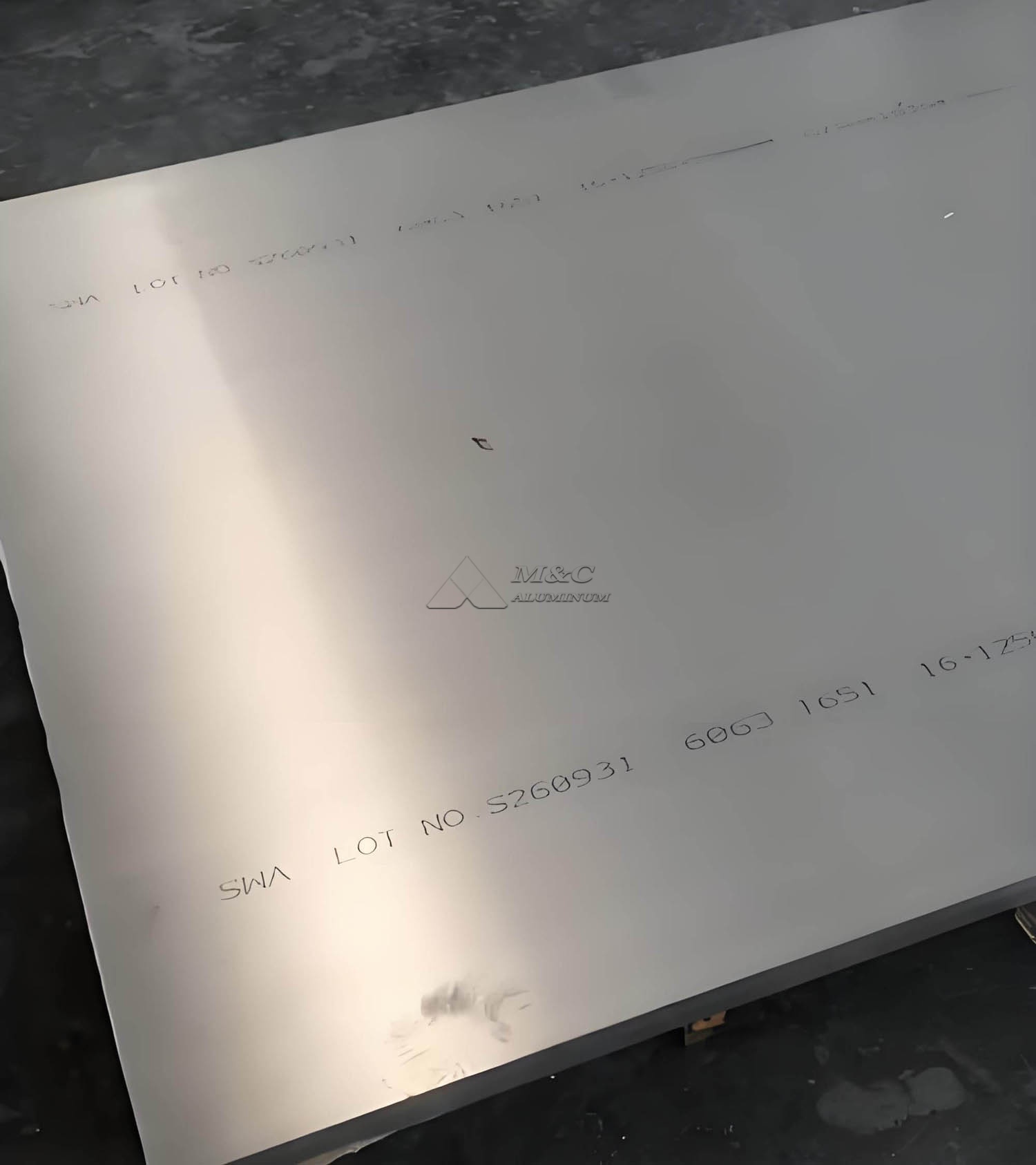
Why 5086 Aluminum Plate Is Used in Shipbuilding
Shipbuilders select 5086 H116/H117 aluminum plate because it provides a practical balance between structural performance and fabrication efficiency. Compared with steel structures, aluminum construction can significantly reduce hull and superstructure weight. This supports improved payload capacity, lower fuel consumption, higher operating speed, and easier handling during fabrication.
The alloy also has good resistance to general seawater corrosion. When the correct temper, welding procedure, joint design, and surface protection system are selected, 5086 marine aluminum plate performs reliably in hull plating, decks, bulkheads, wheelhouses, fuel tanks, gangways, and marine equipment enclosures.
Our production process is designed for marine applications where plate consistency is essential. We control alloy composition, casting quality, hot rolling, cold finishing, temper stabilization, surface condition, dimensions, and final inspection. Each order can be supplied against the applicable standard, customer specification, or classification society requirement.
Key benefits of 5086 H116/H117 aluminum plate include:
High resistance to seawater and marine atmospheric corrosion.
Good strength for welded marine structures.
Excellent weldability by MIG and TIG processes.
Low density, approximately one-third that of steel.
Good formability for curved panels and fabricated components.
Reliable low-temperature performance.
Availability in wide plate formats for hull and deck construction.
5086 H116 and H117 Temper Conditions
H116 and H117 are special strain-hardened tempers commonly associated with marine aluminum applications. These tempers are intended for products requiring enhanced resistance to exfoliation corrosion and stress corrosion cracking in aggressive environments.
The H116 temper is generally used for strain-hardened aluminum products that must meet specified corrosion-resistance requirements. It is frequently selected for marine plate used in hull structures, decks, shell plating, and other seawater-contact components.
The H117 temper is also produced for applications requiring controlled corrosion performance. It may be specified where the purchaser, engineering contractor, or vessel classification requirement calls for a special strain-hardened temper with corrosion testing and mechanical properties appropriate to the intended application.
The correct selection between 5086 H116 and 5086 H117 should be confirmed according to plate thickness, design stress, welding method, service environment, project standard, and certification requirement. As the plate manufacturer, we review these parameters before confirming production and inspection conditions.
Technical Parameters of 5086 H116/H117 Aluminum Plate
The following values represent common reference ranges for 5086 aluminum alloy plate. Final chemical composition, mechanical properties, thickness tolerances, and inspection requirements should follow the purchase specification and applicable standard.
| Item | Typical Specification |
|---|---|
| Alloy | 5086 aluminum alloy |
| Temper | H116, H117 |
| Product form | Hot rolled aluminum plate, marine aluminum sheet |
| Main alloying element | Magnesium |
| Density | Approximately 2.66 g/cm3 |
| Thickness range | Commonly 3.0 mm to 200 mm, subject to production capability |
| Width range | Commonly up to 2,650 mm, subject to thickness and order quantity |
| Length range | Standard lengths or cut-to-length production |
| Surface finish | Mill finish, smooth and clean surface |
| Welding methods | MIG, TIG, GMAW, GTAW |
| Typical applications | Hulls, decks, bulkheads, superstructures, tanks, gangways, offshore structures |
| Supply standards | ASTM B928, ASTM B209, EN 485, EN 573, customer specifications |
Chemical Composition Reference
| Element | Content, % by Weight |
|---|---|
| Magnesium, Mg | 3.5 - 4.5 |
| Manganese, Mn | 0.20 - 0.70 |
| Chromium, Cr | 0.05 - 0.25 |
| Iron, Fe | 0.50 max |
| Silicon, Si | 0.40 max |
| Copper, Cu | 0.10 max |
| Zinc, Zn | 0.25 max |
| Titanium, Ti | 0.15 max |
| Aluminum, Al | Balance |
Mechanical Property Reference
Mechanical property requirements vary with plate thickness, temper, and governing standard. The following table is for engineering reference only.
| Property | Typical Range for 5086 H116/H117 Plate |
|---|---|
| Tensile strength | Approximately 275 - 350 MPa |
| Yield strength | Approximately 125 - 240 MPa |
| Elongation | Typically 8 - 16%, depending on thickness |
| Hardness | Moderate, dependent on temper and thickness |
| Corrosion resistance | Excellent in marine and industrial atmospheres |
| Weldability | Excellent |
| Formability | Good for marine fabrication processes |
Manufacturing Control for Marine Aluminum Plate
Marine applications require more than nominal alloy compliance. Plate quality must remain consistent over the full width and length because fabrication often involves long weld seams, bending operations, CNC cutting, and large-panel assembly.
We begin with controlled melting and casting of 5086 aluminum alloy slabs. Chemical composition is verified to maintain the intended magnesium, manganese, and chromium balance. The slabs are homogenized and hot rolled under controlled conditions to produce stable grain structure and reliable mechanical performance.
After rolling, the plate is processed to the required H116 or H117 condition. Surface quality is inspected to reduce the risk of defects that can affect appearance, welding, corrosion behavior, or coating adhesion. Our inspection procedures can include dimensional measurement, chemical analysis, mechanical testing, ultrasonic testing where required, and corrosion-related testing according to the agreed standard.
For customers requiring related marine materials, our 5086 Aluminium Alloy Plate range can be supplied in multiple thicknesses and cut sizes for structural fabrication projects.
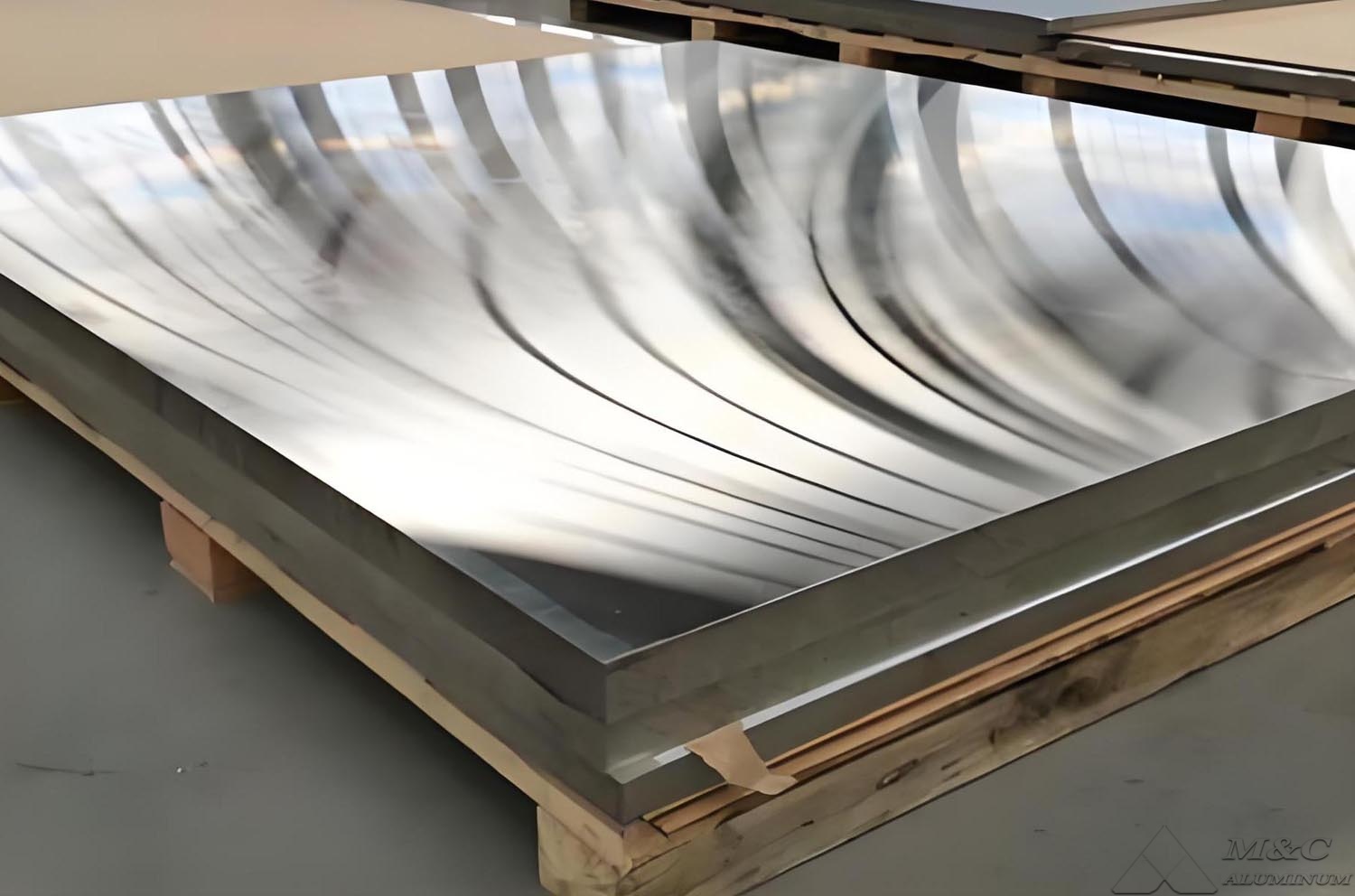
Applications in Marine and Offshore Construction
5086 H116/H117 aluminum plate is suitable for a broad range of marine structures. Its corrosion resistance and welding performance make it particularly useful where the material will be exposed to seawater, spray, condensation, or coastal industrial conditions.
Typical applications include:
Fast ferry and passenger vessel hull structures.
Workboats, patrol boats, fishing vessels, and landing craft.
Hull side plating, bottom structures, and transom panels.
Deck plates, deckhouses, wheelhouses, and superstructures.
Bulkheads, partitions, lockers, and internal structural panels.
Marine fuel tanks, water tanks, and equipment housings.
Gangways, boarding ramps, platforms, and dock components.
Offshore access structures and seawater-exposed equipment.
For designs that require comparison with a higher-strength marine alloy, engineers may also consider 5083 Aluminum sheet based on structural loading, thickness, weld design, and classification requirements.
Welding and Fabrication Considerations
5086 aluminum plate has excellent weldability and is commonly joined using MIG or TIG welding. Filler alloy selection should be based on the engineering specification and expected service conditions. In many marine fabrications, 5183, 5356, or 5556 filler materials are considered, subject to the applicable welding procedure qualification.
Because 5086 is a strain-hardened, non-heat-treatable alloy, the heat-affected zone adjacent to welds may experience a reduction in strength. Designers should account for this condition when calculating joint efficiency and structural capacity. Proper welding sequence, heat input control, joint preparation, and distortion management are important for large marine panels.
The plate can be cut by CNC machining, saw cutting, waterjet cutting, plasma cutting, and other suitable processes. To preserve surface quality, fabrication shops should avoid iron contamination from carbon steel tools, grinding debris, or handling equipment. Clean storage areas and dedicated aluminum-processing tools are recommended.
Surface Quality, Packaging, and Delivery
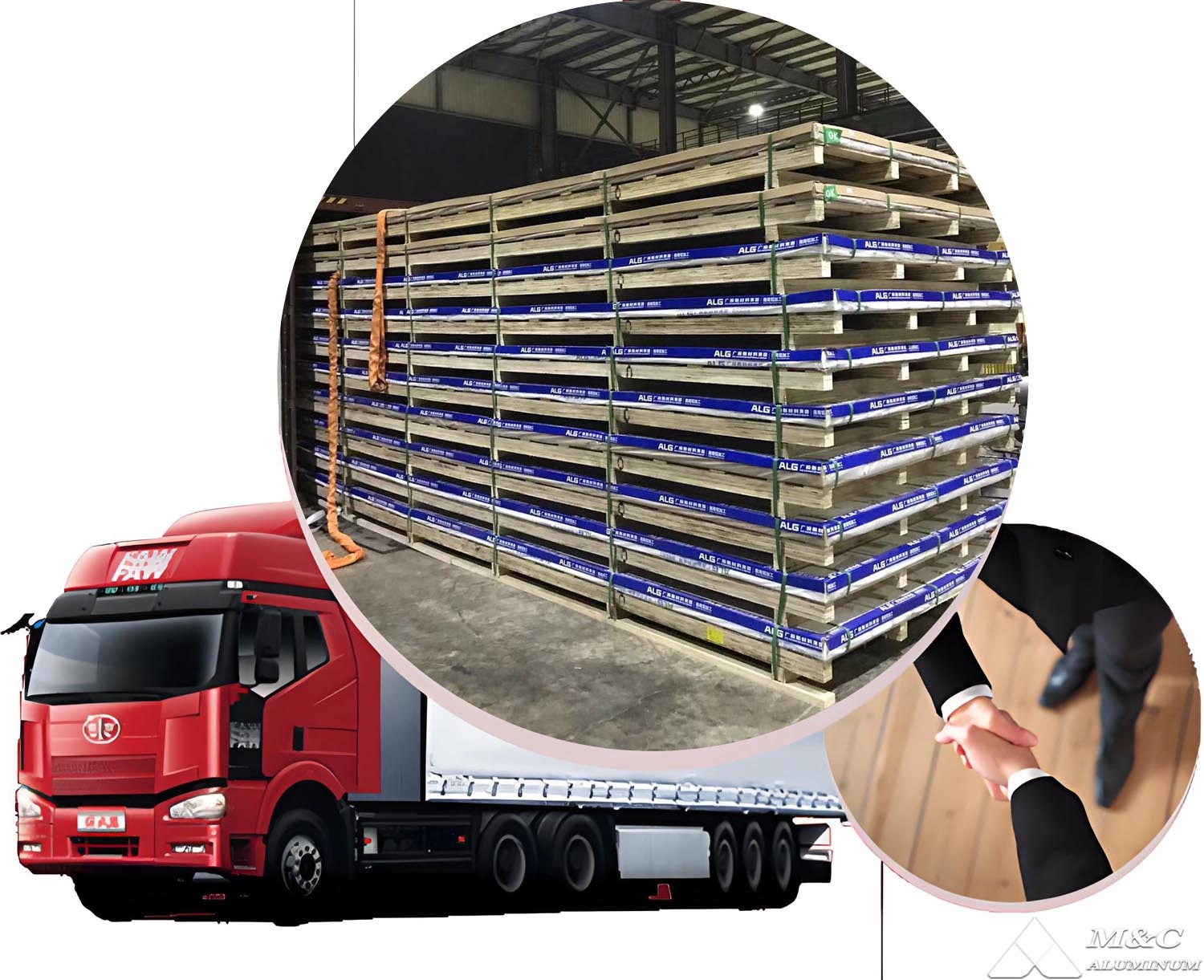
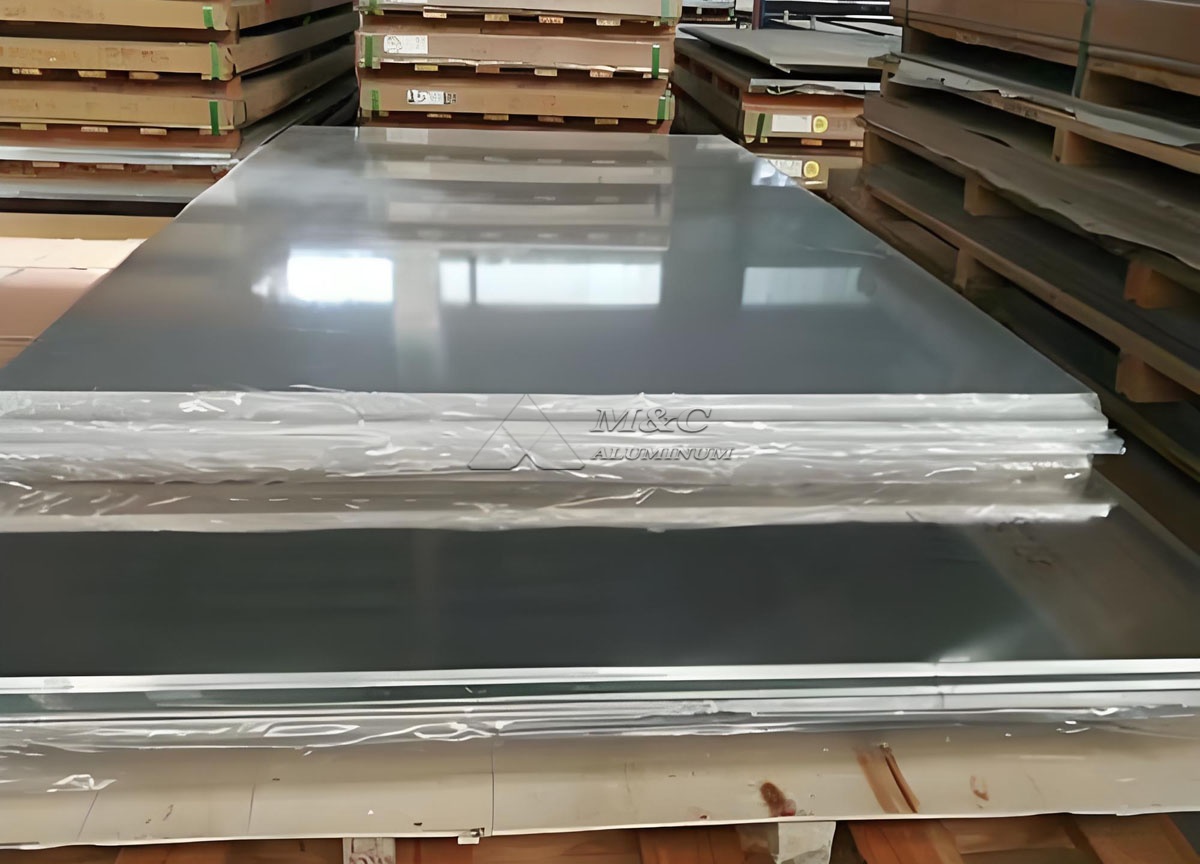
We supply 5086 H116/H117 aluminum plates with a clean mill finish suitable for further fabrication, coating, or anodizing where applicable. Plates can be supplied with protective film, paper interleaving, edge protection, and seaworthy export packaging according to the transport method and destination.
Our packaging process is designed to minimize movement, moisture exposure, and surface damage during loading and international shipment. For project orders, we can arrange plate marking, heat number identification, packing lists, and traceability documentation to support warehouse management and fabrication control.
Documentation and Quality Support
For shipbuilding and offshore projects, documentation is often as important as the physical material. We can provide mill test certificates showing chemical composition, mechanical test results, dimensions, temper, heat number, and relevant inspection data. Additional documents may be arranged according to the order specification.
Available quality support may include:
EN 10204 3.1 material test certificate.
Chemical composition analysis report.
Tensile test report.
Dimensional inspection report.
Ultrasonic test report when specified.
Corrosion test documentation when required.
Third-party inspection coordination.
Classification society documentation subject to project requirements.
Conclusion
5086 H116/H117 aluminum plate is a dependable material for shipbuilding projects that require corrosion resistance, weldability, weight reduction, and stable structural performance. Its aluminum-magnesium composition and marine-oriented temper conditions make it suitable for hulls, decks, bulkheads, superstructures, tanks, and offshore components.
As a 5086 marine aluminum plate manufacturer, we produce material with controlled composition, stable dimensions, clean surface quality, and documentation support for international engineering projects. Before production, we recommend confirming alloy temper, plate thickness, standard, inspection scope, certification needs, and intended marine service conditions to ensure the supplied plate matches the final vessel design.
Contact Us