
5mm Marine Grade Aluminum Sheet Price
As a marine aluminum sheet manufacturer, we produce 5mm marine grade aluminum sheet for shipbuilding, workboats, yacht structures, offshore equipment, docks, vehicle bodies, and corrosion-sensitive industrial applications. For buyers evaluating the 5mm marine grade aluminum sheet price, the most important point is that price must be assessed together with alloy grade, temper, dimensional tolerance, certification, surface quality, order volume, and delivery requirements.
A 5mm sheet may appear to be a standard product, but its final cost can differ substantially between 5052, 5083, 5086, and 5754 aluminum alloys. Marine use also requires stricter control of internal quality, corrosion resistance, weldability, and flatness than general-purpose aluminum sheet.
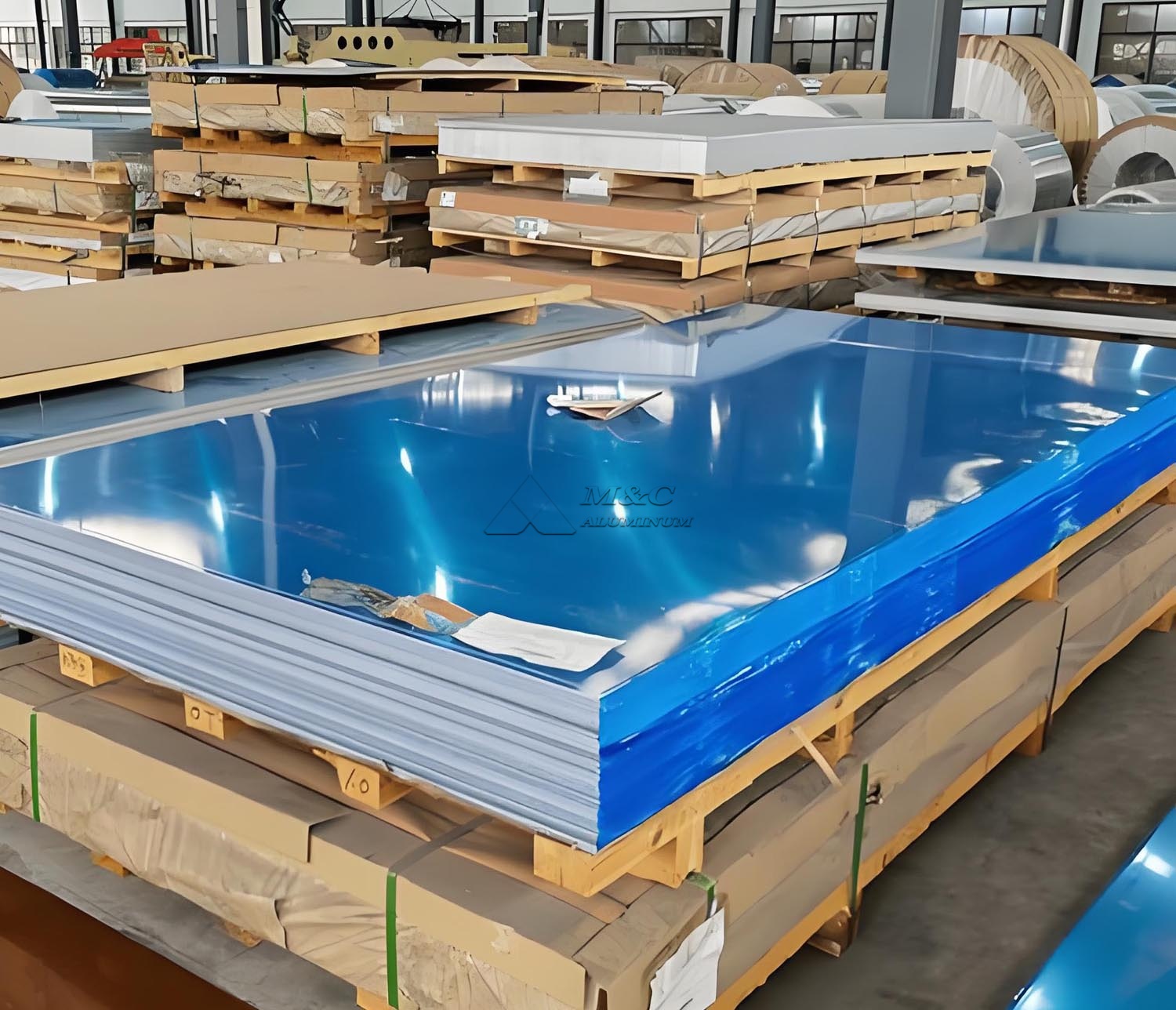
What Determines 5mm Marine Grade Aluminum Sheet Price?
The 5mm marine grade aluminum sheet price is normally quoted by weight, such as USD per metric ton, or calculated per sheet according to thickness, width, length, and alloy density. Aluminum market movements are an important starting point, but they are not the only factor. As a factory, we calculate a quotation based on the complete production specification rather than on thickness alone.
The principal cost components include the following:
Aluminum ingot price: Primary aluminum pricing is linked to global aluminum market conditions and affects the base metal cost.
Alloy composition: Magnesium-bearing 5xxx alloys require controlled alloying and melting practices. Higher-magnesium grades such as 5083 generally carry a higher processing value than 5052.
Temper and mechanical requirements: Tempers such as H111, H112, H116, and H321 have different production routes and performance characteristics.
Sheet dimensions: Non-standard widths and lengths may require dedicated rolling, trimming, leveling, or cutting operations.
Surface requirements: Protective film, brushed finish, PVC coating, precision leveling, and strict surface inspection add cost.
Certification and testing: Third-party inspection, classification society documentation, ultrasonic testing, and extra chemical analysis influence the final quotation.
Order quantity: Larger production lots generally improve rolling efficiency and reduce unit conversion cost.
Packing and export logistics: Seaworthy export packing, fumigated wooden pallets, edge protection, and destination freight should be considered separately.
For this reason, a responsible factory quotation for 5mm aluminum sheet should identify the alloy, temper, dimensions, tolerance, quantity, packaging method, trade term, and validity period.
Recommended Alloys for 5mm Marine Aluminum Sheet
Marine-grade aluminum is not defined by thickness alone. It is defined by an alloy system and processing condition that can provide dependable corrosion resistance and fabrication performance in marine environments. Our most frequently produced 5mm marine sheets are 5052, 5083, 5086, and 5754.
| Alloy | Common Tempers | Main Characteristics | Typical Marine Uses | Relative Price Level |
|---|---|---|---|---|
| 5052 | H32, H34, H111 | Good corrosion resistance, formability, and weldability | Interior structures, panels, tanks, small craft parts | Moderate |
| 5083 | H111, H116, H321 | High strength, excellent seawater corrosion resistance, good weldability | Hulls, decks, bulkheads, offshore structures | Higher |
| 5086 | H111, H116, H321 | Strong corrosion resistance and reliable welded performance | Boat hulls, superstructures, patrol vessels | Higher |
| 5754 | H111, H22, H32 | Good corrosion resistance and moderate strength | Decking, flooring, general marine fabrication | Moderate |
For structural marine applications, 5083 aluminum sheet is often specified because it combines high strength with excellent seawater corrosion resistance. We supply 5083 Aluminum sheet in 5mm thickness for hull plating, deck structures, bulkheads, and offshore fabrication where the specification requires a high-performance 5xxx alloy.
For components requiring good forming performance and economical corrosion resistance, 5052 Aluminum Sheet is also a practical option. The correct selection should be based on the design load, corrosion exposure, welding procedure, forming radius, and applicable vessel standard.
Key Performance Advantages
1. Significant Lightweighting
Aluminum has a density of approximately 2.7 g/cm³, which is only one-third that of steel. In hull structure applications, replacing steel with aluminum plate can achieve a weight reduction of 20% to 50%; this directly contributes to lowering the vessel's center of gravity, improving navigational stability, and reducing fuel consumption.
2. Superior Seawater Corrosion Resistance
5mm marine-grade aluminum plates typically utilize Al-Mg alloys such as 5083, 5086, or 5052. The magnesium content enables the formation of a dense protective oxide film on the surface, effectively resisting corrosion from seawater, salt spray, and chloride ions. Notably, the 5083 alloy is specifically designed for marine environments and passes rigorous tests for intergranular and exfoliation corrosion.
3. Balance of High Strength and Good Formability
Taking the widely used 5083 alloy as an example, a 5mm plate in the H116 or H321 temper exhibits a tensile strength of 270–310 MPa and a yield strength of ≥140–180 MPa. This strength level is sufficient for load-bearing structures such as decks and bulkheads. Simultaneously, the 5mm thickness maintains structural integrity while offering excellent formability and machinability.
4. Excellent Weldability
Marine aluminum plates support various welding methods, such as MIG and TIG; weld joint strength can exceed 90% of the base metal's strength, with a low susceptibility to cracking during the welding process. A thickness of 5mm is common in shipbuilding, making it suitable for the construction of large compartments and piping systems.
5. Good Low-Temperature Toughness
Al-Mg alloys like 5083 do not undergo a ductile-to-brittle transition at low temperatures; instead, their strength and toughness actually increase. They maintain stable performance even in extreme cold environments as low as -196°C, making them suitable for cryogenic equipment such as LNG storage tanks.
6. Classification Society Certification
Qualified 5mm marine aluminum plates typically hold certifications from major classification societies—such as CCS, ABS, DNV, and LR—ensuring that the material meets strict shipbuilding standards regarding everything from chemical composition to mechanical properties.
Technical Parameters of Our 5mm Marine Grade Aluminum Sheet
The following table summarizes common manufacturing parameters. Final values can be adjusted according to purchase order requirements and applicable standards.
| Parameter | Standard Production Range | Notes |
|---|---|---|
| Product | 5mm marine grade aluminum sheet | Also supplied as plate depending on dimensions and standards |
| Thickness | 5.00 mm | Tolerance subject to alloy, width, and agreed standard |
| Width | 1,000 mm to 2,600 mm | Custom widths available within rolling capability |
| Length | 2,000 mm to 12,000 mm | Cut-to-length production available |
| Alloys | 5052, 5083, 5086, 5754 | 5xxx series aluminum-magnesium alloys |
| Tempers | H111, H112, H116, H321, H32 | Temper selected according to end use |
| Surface | Mill finish, brushed, PVC film, protective paper | Surface condition confirmed before production |
| Flatness | Controlled by leveling process | Requirements should be specified for CNC cutting or fabrication |
| Edge | Mill edge or trimmed edge | Deburring available upon request |
| Standards | ASTM B928, EN 485, EN 573, GB/T 3880 | Other project-specific standards can be reviewed |
| Inspection | Chemical composition, dimensions, surface, mechanical properties | Third-party inspection available if requested |
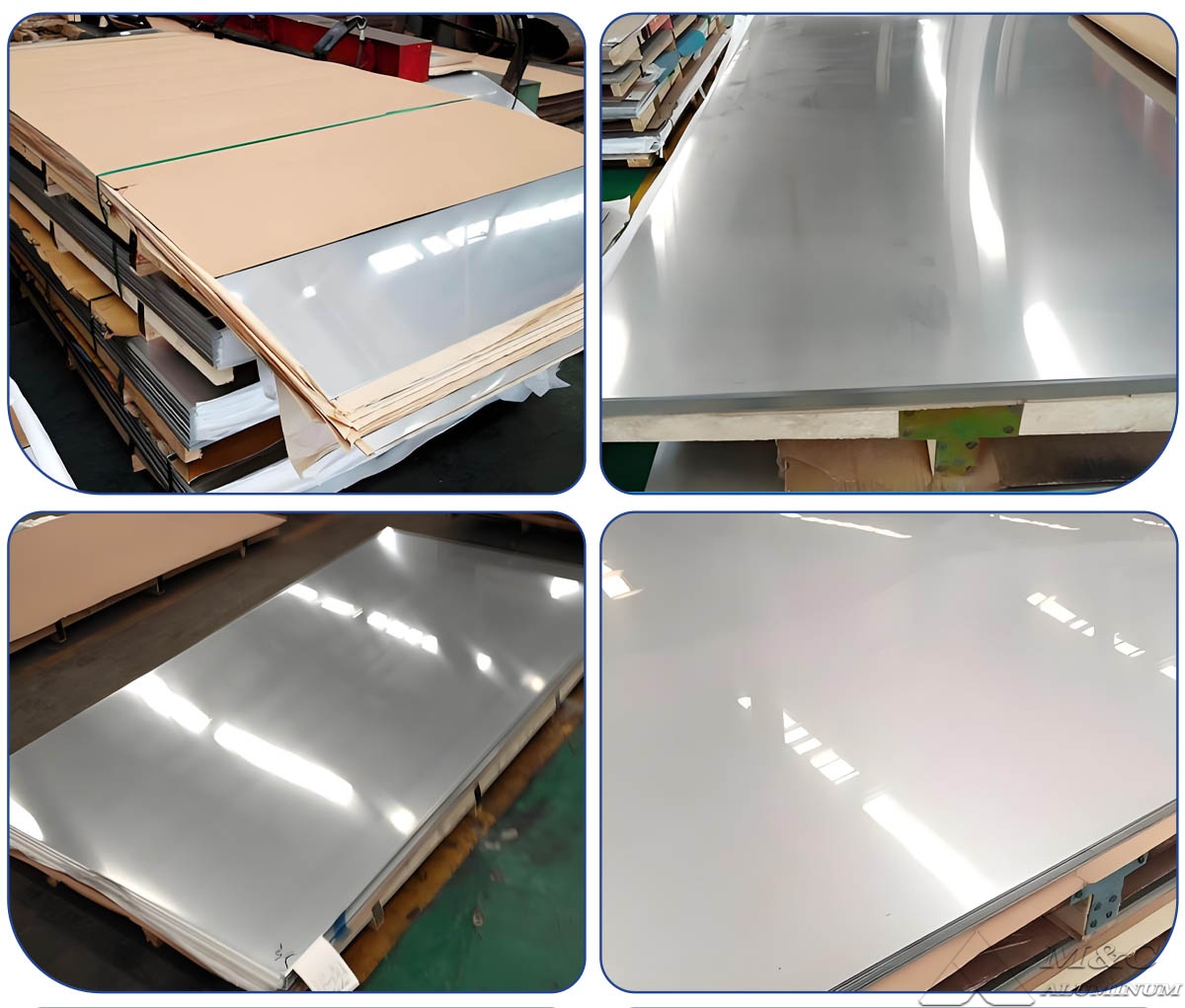
Our 5mm marine aluminum sheet is produced through controlled casting, homogenization, hot rolling, cold rolling where required, annealing, leveling, trimming, inspection, and export packing. Each stage affects consistency in thickness, flatness, grain structure, and surface condition.
Why Temper Has a Direct Effect on Price and Performance
Temper is frequently overlooked when comparing marine aluminum sheet prices. However, two 5mm sheets with the same alloy and size can have different prices if their tempers are different.
H111 is commonly selected for marine fabrication because it offers a stable balance of strength, formability, and welding suitability. H116 and H321 are widely used for 5083 and 5086 marine aluminum plate when enhanced resistance to exfoliation corrosion is required in severe seawater exposure. These tempers involve more specific process control and testing, which can affect the 5mm marine grade aluminum sheet price.
For welded structures, buyers should assess post-weld properties rather than comparing only the base-metal tensile value. Heat input can reduce strength in the heat-affected zone. Our technical team can recommend an appropriate alloy and temper after reviewing the welding method, plate location, design stress, and corrosion environment.
Quality Control for Marine Aluminum Sheet Manufacturing
Marine projects require material consistency because sheet defects can increase fabrication cost or affect service life. As a manufacturer, we control the key quality points before shipment.
Chemical Composition Control
We verify alloy chemistry using spectrometric analysis. Magnesium content, impurity limits, and trace elements are controlled in accordance with the relevant alloy specification. Stable chemical composition supports corrosion resistance and mechanical properties.
Dimensional and Flatness Inspection
Thickness is measured across the sheet width and length. We also inspect width, length, diagonal difference, camber, and flatness where specified. Accurate dimensions reduce material loss during CNC cutting, bending, and welding.
Surface Inspection
The sheet surface is visually inspected for scratches, roller marks, dents, oil contamination, black streaks, edge damage, and other defects that may affect downstream finishing or appearance. Protective film can be applied for visible marine panels and precision fabrication.
Mechanical Property Testing
Tensile strength, yield strength, and elongation are tested according to the applicable material standard. When requested, we can provide mill test certificates and arrange third-party inspection before dispatch.

Typical Applications of 5mm Marine Grade Aluminum Sheet
A 5mm aluminum sheet provides useful rigidity while remaining workable for cutting, bending, rolling, and welding. Common applications include:
Boat hull plating and side shell structures.
Deck panels, walkways, platforms, and cabin floors.
Bulkheads, partitions, engine-room enclosures, and hatch covers.
Yacht superstructures and passenger vessel components.
Offshore platforms, gangways, access systems, and equipment covers.
Marine fuel tanks, storage tanks, and fabricated enclosures.
Truck bodies and transport equipment operating in coastal areas.
The appropriate thickness must always be confirmed by the vessel designer or project engineer. While 5mm is common for many fabrications, structural plate selection depends on span, stiffener spacing, impact load, fatigue conditions, and classification requirements.
How to Request an Accurate Factory Quote
To receive an accurate quotation from our factory, buyers should provide a complete inquiry. This allows us to select the correct production route and avoid assumptions that may lead to unsuitable material or price revisions.
Please include the following information:
| Required Information | Example |
|---|---|
| Alloy | 5083 or 5052 |
| Temper | H111, H116, or H321 |
| Thickness | 5.0 mm |
| Width x Length | 1,500 mm x 6,000 mm |
| Quantity | 20 metric tons or 100 sheets |
| Standard | ASTM B928, EN 485, or project specification |
| Surface Requirement | Mill finish, PVC film, or brushed finish |
| Certification | MTC, third-party inspection, or classification documentation |
| Delivery Term | FOB, CFR, CIF, or other agreed Incoterms |
| Destination Port | Required for freight evaluation |
For repeat orders, we can maintain agreed dimensions, surface standards, packaging configuration, and documentation requirements to support consistent fabrication results.
Conclusion
The 5mm marine grade aluminum sheet price should be evaluated as part of a complete technical and commercial specification. Alloy grade, temper, sheet size, corrosion-resistance requirements, certification, quantity, and delivery terms all influence the final cost.
As a marine aluminum sheet factory, we manufacture 5mm 5052, 5083, 5086, and 5754 aluminum sheets with controlled chemistry, reliable dimensional accuracy, inspected surfaces, and export-ready packing. A clear inquiry enables us to provide a quotation that matches the actual engineering requirements of your vessel, offshore, or marine fabrication project.
Contact Us