
8079 Aluminum Foil Application In Pharma Industry
Introduction: Why 8079 Aluminum Foil Matters in Pharmaceutical Packaging
Pharmaceutical packaging must protect drug efficacy across complex logistics conditions, including temperature changes, humidity exposure, light sensitivity, and long storage cycles. As a manufacturer of aluminum foil for pharmaceutical packaging, we see that barrier performance, forming behavior, and process stability are the decisive factors for high-volume blister lines and cold-forming lines.
Among commonly specified foil alloys, 8079 aluminum foil is widely adopted for pharmaceutical applications because it combines strong barrier properties with good mechanical performance at thin gauges. In this article, we explain how we manufacture pharma aluminum foil based on 8079 alloy, the key product features and specifications, our quality control methods, typical application scenarios (PTP and cold forming Alu Alu), and how 8079 compares with alternative alloys used in the pharmaceutical packaging supply chain.
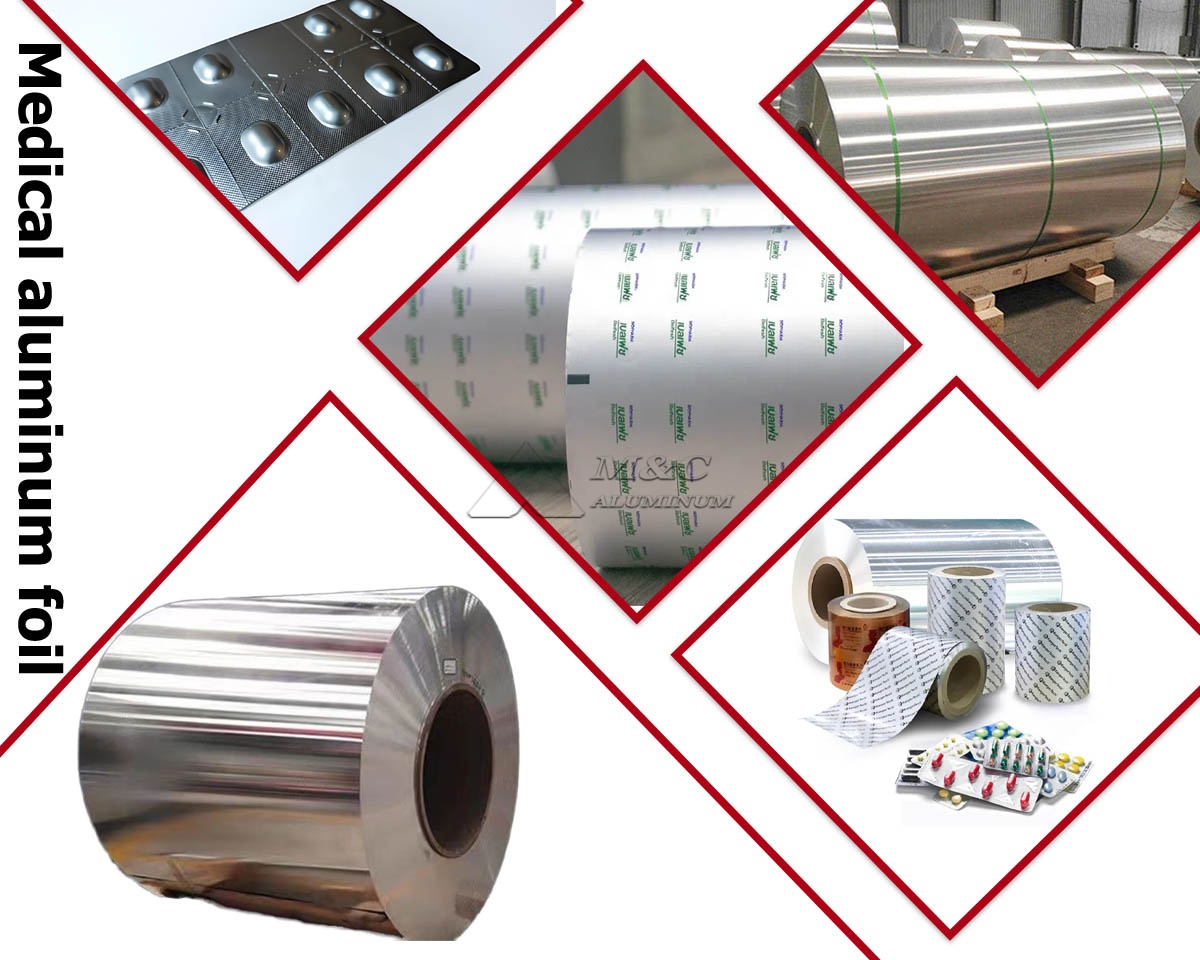
Product Features of 8079 Aluminum Foil for Pharma Use
Barrier performance and product protection
Aluminum foil remains one of the most reliable packaging materials for pharmaceutical products because it is essentially impermeable to water vapor, oxygen, and light when manufactured and converted correctly. In pharma packaging, this barrier is critical for moisture-sensitive tablets and capsules, as well as for products requiring protection from UV or visible light.
Mechanical strength at thin gauges
Compared with some general-purpose foil alloys, 8079 aluminum foil is often selected when higher strength is needed at thin thicknesses. This supports:
Reduced risk of pinholes during converting.
Stable performance during high-speed blister forming and sealing.
Improved robustness for cold forming structures where deeper draw or higher strength may be required.
Surface quality and coating compatibility
For PTP aluminum foil (push-through packaging), printing quality and uniform coating adhesion depend on consistent surface quality and controlled surface energy. We manufacture 8079 foil with process controls designed for:
Stable roughness and cleanliness.
Good wettability for primers, inks, heat-seal lacquers, and adhesive systems.
Low defect rates suitable for pharmaceutical conversion.
Formability and process stability
Pharmaceutical converters demand stable forming behavior to reduce downtime and scrap. For blister and cold forming applications, we supply foil with controlled temper and mechanical properties matched to the customer forming line and laminate structure.
Materials, Temper, Specifications, and Technical Parameters
As a factory, we produce 8079 alloy from controlled chemical composition and verified melt quality. The finished pharma foil is delivered in coils with strict dimensional, mechanical, and appearance requirements.
Typical product range we manufacture
Alloy: 8079
Tempers: O, H18, and other tempers upon request depending on application
Thickness: commonly used ranges for pharma conversion, subject to customer design
Width and coil ID/OD: customized to lamination and slitting equipment
Technical parameters table
| Item | Typical Range or Requirement | Notes for Pharma Applications |
|---|---|---|
| Alloy | 8079 | High barrier and good strength for thin foil |
| Temper | O, H18 (custom available) | O for formability, H18 for stiffness and push-through performance |
| Thickness | 0.020 to 0.060 mm (custom) | Common for blister and cold forming structures, subject to design |
| Width | 100 to 1600 mm (custom) | Matched to coating, lamination, and slitting lines |
| Coil ID | 76 mm, 152 mm (custom) | Standard IDs available based on customer shafts |
| Surface finish | Bright, clean, uniform | Suitable for coating, printing, and lamination |
| Pinholes | Controlled to customer specification | Tested per agreed sampling and method |
| Tensile strength | Per temper and agreed specification | Tailored to forming and sealing requirements |
| Elongation | Per temper and agreed specification | Critical for forming stability |
| Thickness tolerance | Tight control, per agreement | Supports uniform sealing and consistent barrier |
| Packaging | Moisture-proof export packing | Prevents oxidation and contamination during transit |
Note: Final parameters are confirmed by application type (PTP blister foil 8079, strip pack, or cold forming Alu Alu foil), coating system, and the converter's line conditions.
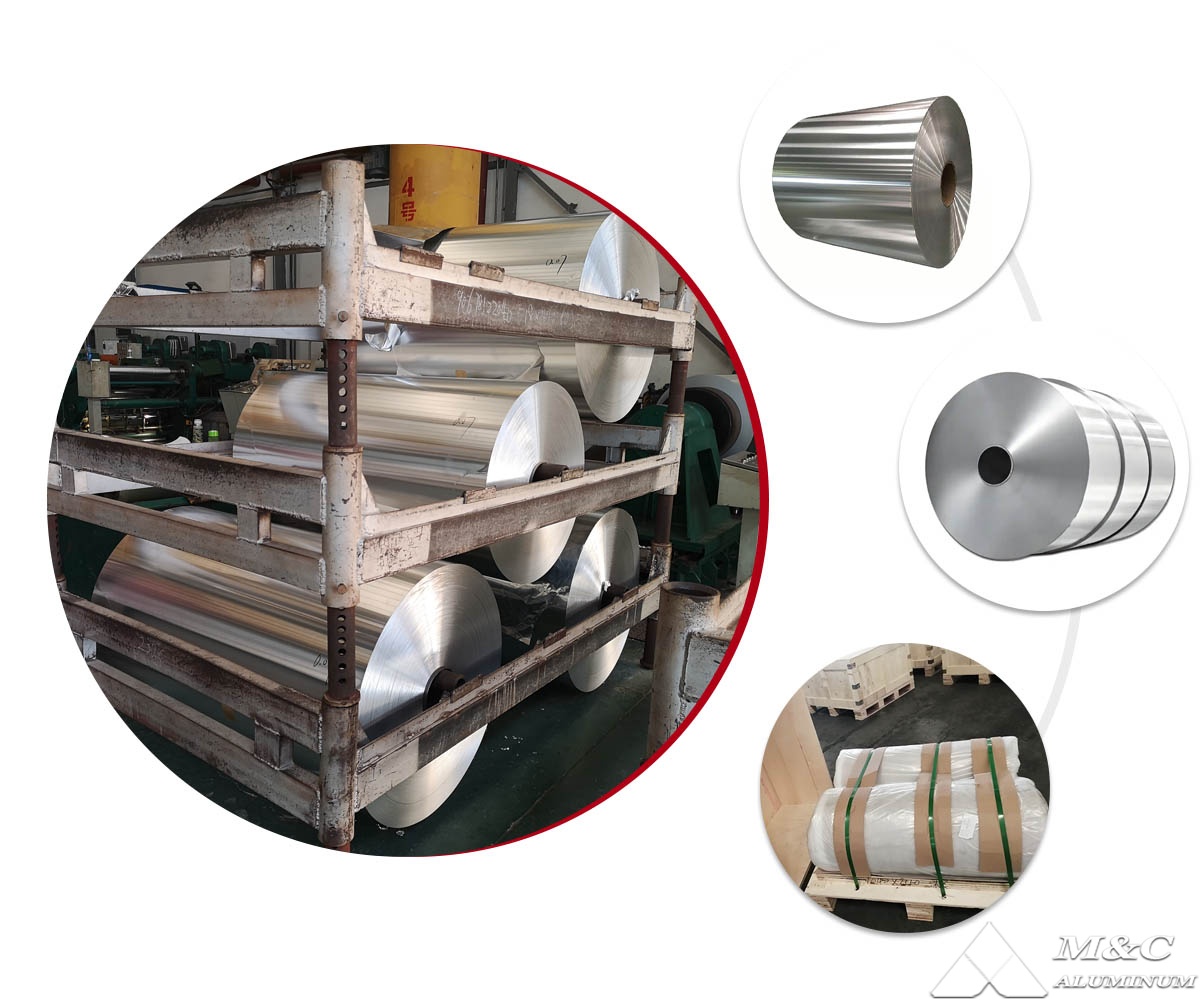
Manufacturing Capabilities: Rolling, Finishing, and Slitting for Pharma Foil
Melt quality and raw material control
Pharmaceutical packaging foil requires consistent metallurgy and cleanliness. Our production starts from controlled melt practices and raw material traceability. We manage impurity control and inclusion risk through process discipline and verification steps aligned with customer requirements.
Rolling process capability
We produce foil through multi-pass rolling and controlled intermediate processing to achieve the required gauge, flatness, and mechanical properties.
Key manufacturing considerations for 8079 aluminum foil include:
Gauge control for uniform thickness.
Flatness management to support downstream coating and laminating.
Process stability to maintain consistent mechanical properties coil to coil.
Annealing and temper control
Temper selection is application-driven:
O temper is typically used when enhanced formability is required, for example in forming-intensive structures.
H18 and related hard tempers are typically used where stiffness and push-through performance are important, such as PTP aluminum foil in blister packaging.
We control annealing parameters and process windows to achieve repeatable properties.
Surface preparation and cleanliness
For pharma packaging foil, surface cleanliness is essential for coating adhesion and uniform sealing. We maintain controlled handling and inspection to reduce oil residues, particulate contamination, and surface defects.
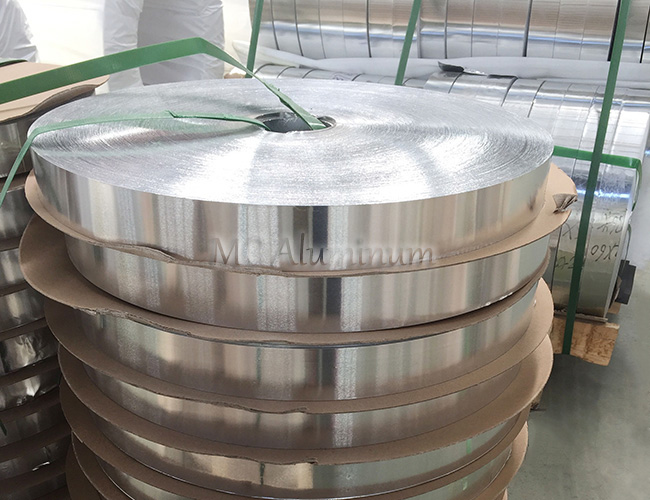
Slitting, rewinding, and coil presentation
We supply coils with customized width, edge quality, and winding tension to suit customer coating, printing, and lamination processes. Coil labeling and documentation support traceability.
Quality Control, Standards, and Documentation
Pharmaceutical packaging places higher expectations on consistency and documentation. Our QC framework focuses on measurable quality characteristics and lot traceability.
In-process and final inspection
We conduct inspection and testing for:
Thickness and profile measurement.
Visual surface inspection for scratches, stains, and roll marks.
Pinholes and defect monitoring based on agreed test methods.
Mechanical testing (tensile strength, elongation) as required by temper and application.
Coil geometry (flatness, telescoping, edge condition) to ensure converting compatibility.
Standards and compliance alignment
Depending on destination market and customer requirements, we support supply aligned with:
ASTM or EN aluminum foil product requirements where applicable.
Customer-specific blister foil and cold forming foil specifications.
Documentation packages including COA, inspection reports, and traceability records.
We also coordinate with converters and brand owners on packaging cleanliness expectations and handling requirements to maintain the integrity of pharmaceutical packaging foil.
Customization Options for Pharma Converters
Pharmaceutical packaging is not a one-size-fits-all field. We support customization to help converters optimize line speed, seal integrity, and defect control.
Typical customization parameters include:
Thickness and thickness tolerance targets.
Temper selection and mechanical property windows.
Coil width, ID, OD, and maximum coil weight.
Surface finish requirements for printing and coating.
Slitting edge condition and winding orientation.
Packing method and moisture protection for sea freight or air shipment.
For projects involving cold forming alu alu foil structures, we coordinate on the foil requirements within the laminate (forming aluminum layer performance is strongly dependent on temper and thickness selection).
Application Scenarios and Target Industries
1) Blister packaging (PTP)
A primary use of blister foil 8079 is push-through lidding, where the foil must:
Seal reliably to PVC, PVDC, PP, or other blister base webs via heat-seal lacquer.
Maintain barrier properties against moisture, oxygen, and light.
Provide controlled stiffness and puncture performance for push-through opening.
2) Cold forming Alu Alu
For products requiring maximum barrier protection, cold forming structures are widely used. In a typical Alu Alu laminate, aluminum foil is critical for barrier and forming behavior.
8079 can be specified in such laminates depending on structure design and mechanical requirements. We support supply programs for converters producing cold forming alu alu foil with consistent incoming material.
3) Strip packaging and sachet liners
8079 foil is also used in strip packs and certain sachet liner structures where high barrier and consistent sealing performance are required.
Target industries
While the core application is pharmaceutical solid-dose packaging, our 8079 pharma foil is commonly specified by:
Pharmaceutical packaging converters.
Contract packaging organizations.
Manufacturers of OTC products, nutraceuticals, and regulated healthcare products requiring elevated barrier performance.
8079 vs Other Common Foil Alloys in Pharma Packaging
Alloy selection depends on packaging structure, forming method, and converting line capability. Below is a practical comparison from a manufacturer perspective.
8079 vs 8011
8079 aluminum foil is frequently selected when higher strength is needed at thin gauges, supporting improved robustness.
8011 is widely used for general pharmaceutical packaging foil and offers good formability and processability.
Selection is typically driven by the customer specification, pinhole targets, and mechanical property requirements.
8079 vs 1235
1235 is used in some foil applications due to its high aluminum content and good barrier behavior.
For pharmaceutical packaging, 8079 may be preferred where additional mechanical strength and process stability are required.
8079 vs 8021
8021 is also used for pharmaceutical foil, including blister and cold forming structures.
8079 can be advantageous where specific strength and performance windows are needed; the final choice depends on converter experience, laminate design, and forming depth requirements.
From production and QC standpoints, the key is not only the alloy designation, but also how thickness control, temper control, surface quality, and defect management are executed consistently across lots.
Conclusion: Stable Supply, Technical Support, and Long-Term Cooperation
8079 alloy is an established material for pharma aluminum foil applications such as PTP aluminum foil blister lidding and selected high-barrier laminate structures including cold forming Alu Alu foil. The performance in pharmaceutical packaging depends on consistent gauge control, stable temper, low defect rates, and reliable documentation.
As a manufacturer, we support long-term supply programs with:
Stable production scheduling for recurring orders.
Lot traceability and consistent QC reporting.
Custom coil sizes and specification alignment for coating, printing, lamination, and slitting operations.
Technical coordination to match foil properties to forming and sealing conditions.
For ongoing pharmaceutical packaging projects, we prioritize repeatability, controlled change management, and cooperative technical review to help customers maintain stable converting performance and compliant product protection.
Contact Us