
8021 Aluminum Foil for Battery Pouch Cell
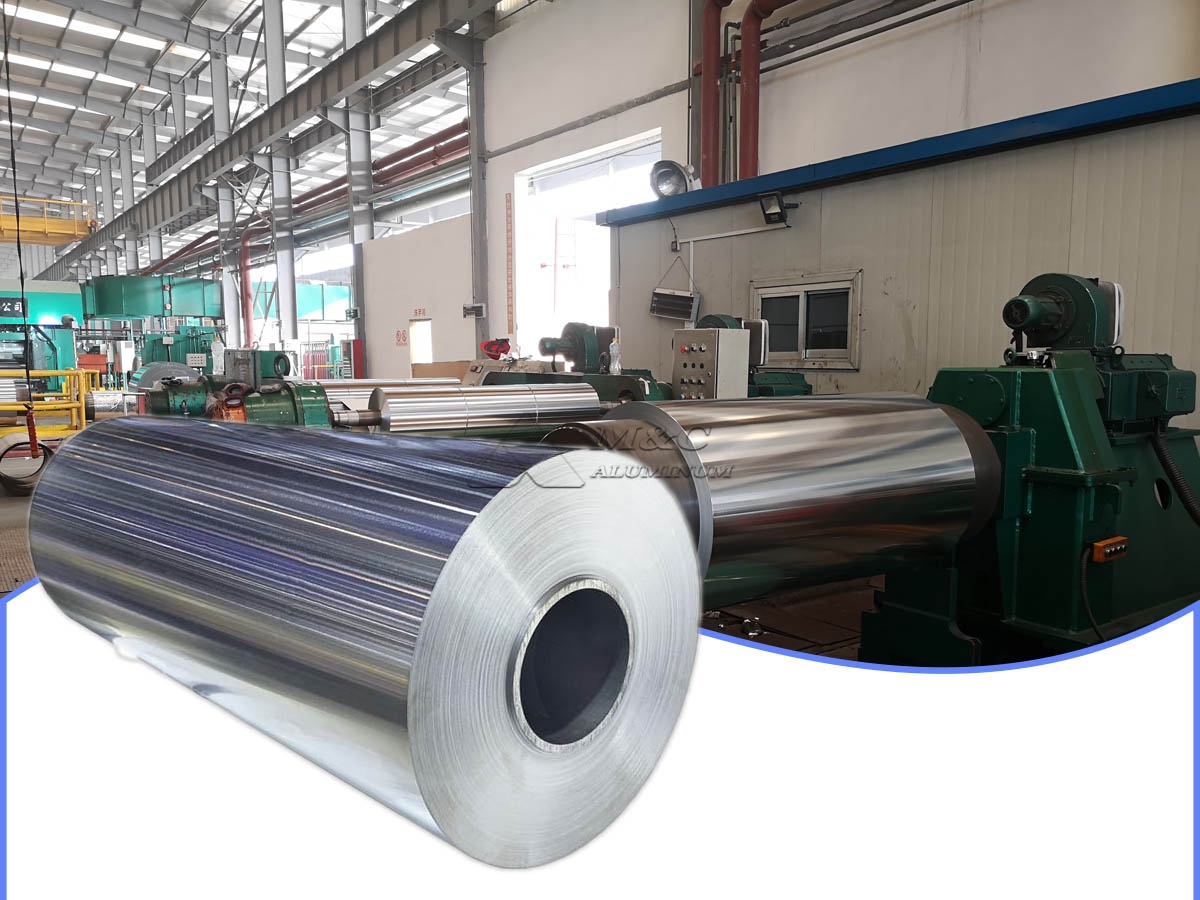
As a manufacturer of rolled aluminum products, we produce 8021 aluminum foil for battery pouch cell packaging applications. This foil is primarily used as the aluminum barrier layer in aluminum-plastic laminate film for lithium-ion pouch cells. Its function is to provide moisture and gas barrier performance while maintaining the ductility required for deep drawing, sealing, and cell assembly.
Battery pouch packaging requires stricter quality control than conventional household or packaging foil. The foil must have consistent thickness, controlled mechanical properties, low pinhole levels, stable surface condition, and reliable compatibility with subsequent lamination processes. Our 8021 aluminum foil is manufactured through controlled melting, casting, rolling, annealing, slitting, and inspection processes to meet the requirements of battery laminate converters and pouch cell manufacturers.
Role of 8021 Aluminum Foil in Pouch Cell Packaging
A pouch cell is commonly enclosed in aluminum-plastic composite film rather than a rigid metal can. In a typical laminate structure, the material includes an outer polymer layer, an adhesive layer, 8021 aluminum foil, an inner adhesive layer, and a heat-sealable polypropylene or cast polypropylene layer. The aluminum foil layer is the primary barrier component within this structure.
Our 8021 aluminum foil supports the following functions in battery pouch cell packaging:
Provides a barrier against moisture, oxygen, and external contaminants.
Protects battery electrodes and electrolyte from environmental exposure.
Supports deep drawing during pouch forming without excessive cracking.
Contributes to a lightweight battery packaging structure.
Enables controlled lamination with polymer and adhesive layers.
Helps maintain stable pouch dimensions during cell production.
The foil used in battery aluminum laminate is not simply selected by alloy designation. Its practical performance depends on the combined control of alloy chemistry, temper, thickness tolerance, grain structure, surface cleanliness, edge quality, and pinhole condition. As a factory, we manage these factors from raw material preparation through final coil packaging.
Why 8021 Alloy Is Used for Battery Pouch Cell Foil
8021 is an aluminum alloy containing aluminum as the main element with controlled additions of iron and silicon. Compared with some general-purpose foil alloys, 8021 is well suited to applications requiring a balance of strength, elongation, and forming resistance. For pouch cell aluminum laminate, the alloy is generally supplied in soft O temper to support deep drawing and subsequent conversion operations.
The main advantages of 8021 aluminum foil for battery pouch cells include good formability, stable rolling performance, adequate tensile strength after annealing, and reliable barrier capability when used at the appropriate thickness. The material can be processed into thin foil while retaining the structural integrity required by laminate manufacturers.
In our production, alloy composition is controlled to maintain uniform metallurgical properties across the coil. We also monitor rolling reduction schedules and annealing conditions to achieve a stable O temper. This helps converters obtain more consistent results during coating, dry lamination, thermal lamination, slitting, and pouch forming.
For customers sourcing related battery laminate materials, our 8021 Aluminum foil range can be produced according to thickness, width, coil weight, and surface requirements.
Technical Parameters of 8021 Aluminum Foil
The following table presents typical production ranges for 8021 aluminum foil intended for battery pouch cell and aluminum-plastic film applications. Final specifications should be confirmed according to the laminate structure, drawing depth, and downstream processing conditions.
| Item | Typical Specification | Notes |
|---|---|---|
| Alloy | 8021 | Aluminum alloy for high-performance foil applications |
| Temper | O | Soft annealed condition for forming and lamination |
| Thickness | 0.030-0.060 mm | Common battery laminate range: 0.040-0.050 mm |
| Thickness tolerance | Typically within +/- 3% to +/- 5% | Subject to thickness and agreed standard |
| Width | 200-1,600 mm | Slitting width available upon request |
| Coil inner diameter | 150 mm, 300 mm, 505 mm | Customized to converter equipment |
| Coil outer diameter | As agreed | Determined by coil weight and transport limits |
| Tensile strength | Approx. 80-130 MPa | Depends on thickness and final temper |
| Elongation | Typically >= 10% | Important for deep drawing performance |
| Surface | Mill finish, clean, oil-controlled | Suitable for subsequent lamination |
| Pinhole control | Low pinhole level | Tested according to foil thickness and application |
| Edge condition | Trimmed, burr-controlled | Supports stable slitting and converting |
| Flatness | Controlled | Important for lamination and coating operations |
Manufacturing Process and Quality Control
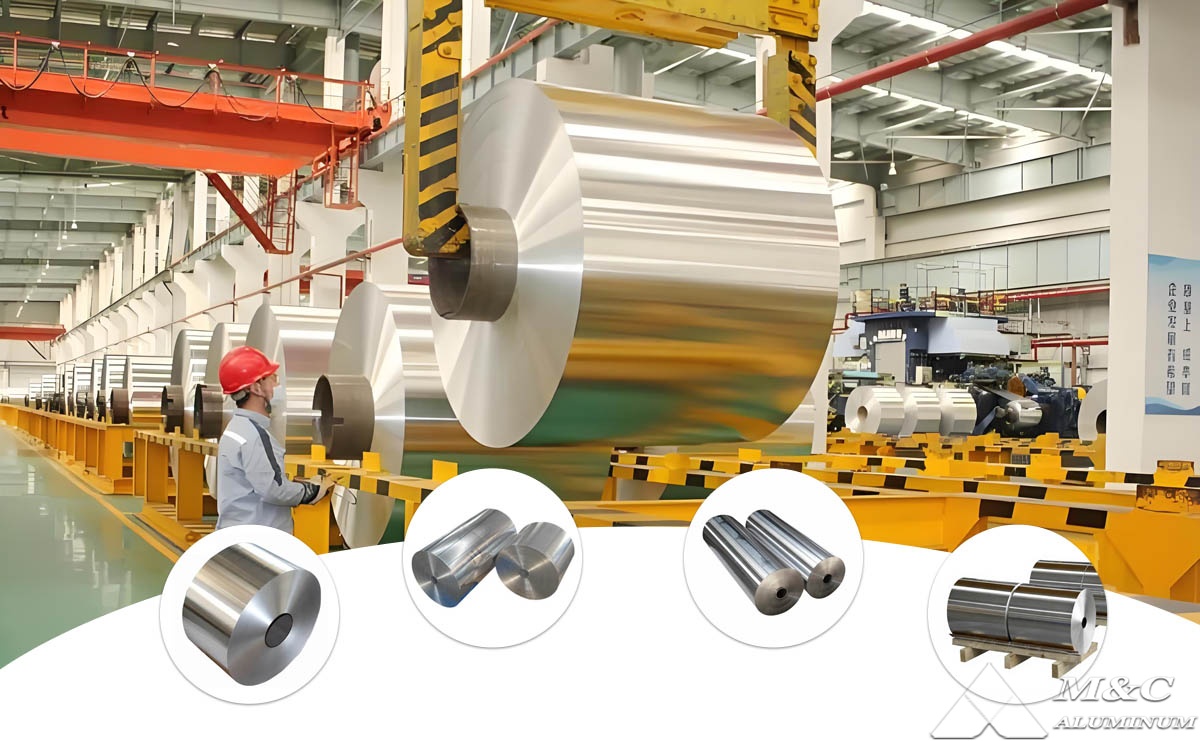
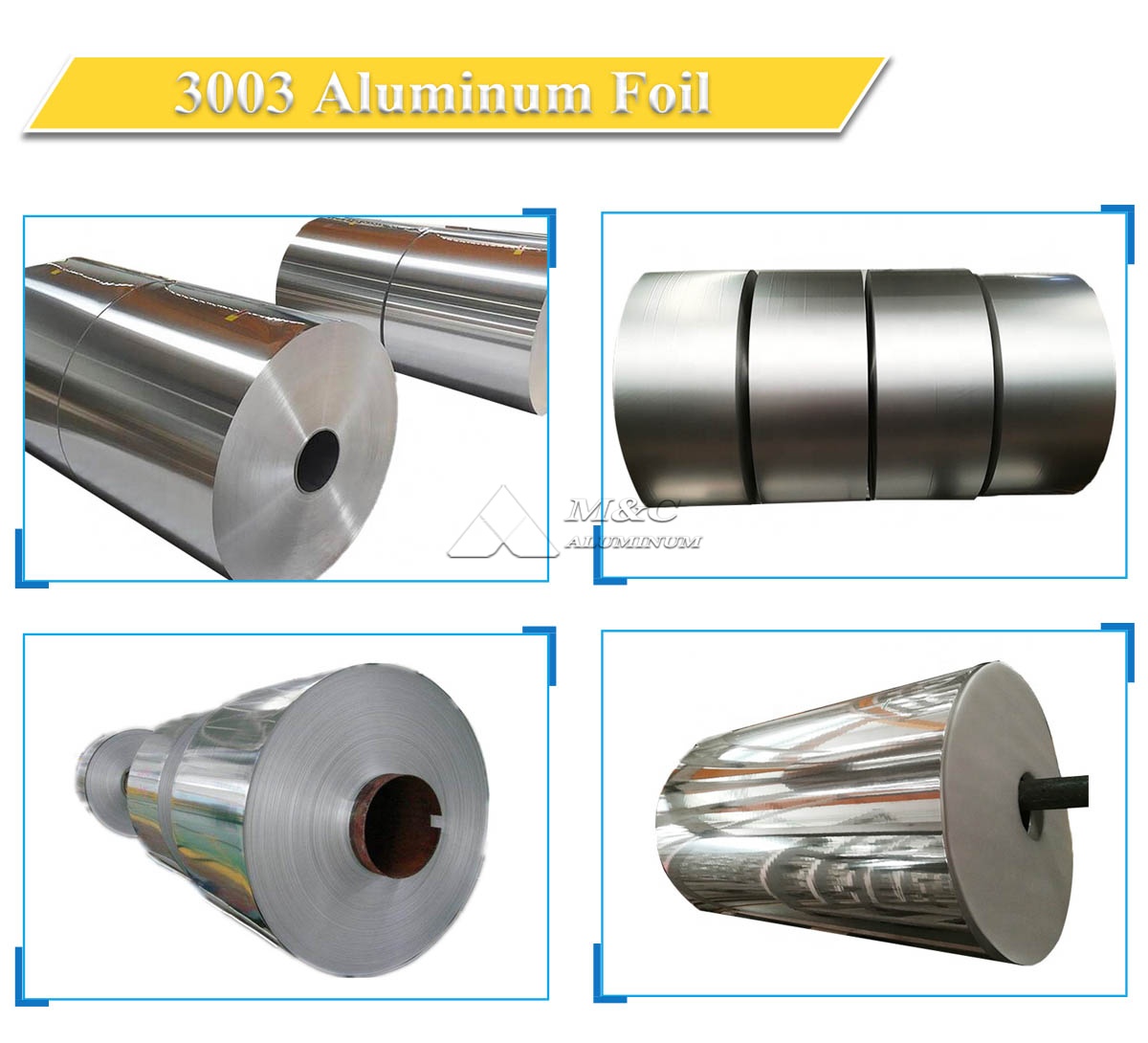
We manufacture battery pouch cell foil through an integrated process designed to ensure stable quality from coil to coil. The process begins with qualified aluminum raw materials and controlled melt treatment. After casting and homogenization, the material undergoes hot rolling, cold rolling, intermediate annealing, final rolling, final annealing, slitting, and packing.
During production, our technical team pays particular attention to the characteristics that influence battery laminate conversion.
Thickness Consistency
Thickness variation can affect barrier performance, laminate uniformity, deep drawing behavior, and final pouch reliability. We use thickness monitoring and process control during rolling to maintain stable gauge across the coil width and length. For thin foil, careful rolling control is essential to reduce local deviations.
Surface Quality
The foil surface must be clean and uniform for adhesive bonding and polymer lamination. Excessive rolling oil residue, scratches, oxide marks, stains, or embedded particles may affect bonding strength or visual appearance. Our finishing and annealing process is designed to produce a clean surface with controlled residual oil conditions.
Pinhole Inspection
Pinhole control is a major quality point for aluminum foil used in barrier packaging. While pinhole requirements vary by thickness and customer specification, we conduct inspection to reduce the risk of defects that could compromise laminate barrier performance. Our quality procedures include visual inspection, sampling, and relevant pinhole testing based on the agreed supply standard.
Mechanical Properties
Battery pouch foil must tolerate forming without premature tearing or cracking. We control the annealing process to achieve a suitable soft temper and stable elongation. Mechanical property testing is conducted on representative samples to verify tensile strength and elongation before shipment.
Slitting and Edge Control
Clean slit edges are important for high-speed laminate production. Poor edge condition can create dust, burrs, edge cracks, or winding instability. We use controlled slitting parameters and inspect coil edges to support smooth downstream processing.
Key Requirements for Aluminum-Plastic Film Converters
When selecting 8021 aluminum foil for battery pouch cells, laminate producers should evaluate the foil together with the complete aluminum-plastic film structure. The most important factors include foil thickness, drawing depth, polymer selection, adhesive system, sealing process, and target battery application.
For example, battery cells with deeper drawing requirements may need foil with optimized elongation and more closely controlled grain structure. High-energy-density battery designs may prioritize thinner foil to reduce total package weight, while still requiring reliable barrier and mechanical performance. In addition, different adhesive formulations may have different requirements for foil surface energy, cleanliness, and roughness.
We recommend confirming the following purchasing details before production:
Required alloy and temper.
Final foil thickness and tolerance.
Finished slitting width and width tolerance.
Coil inner diameter, outer diameter, and maximum coil weight.
Surface and residual oil requirement.
Pinhole inspection requirement.
Mechanical property requirement.
Lamination method and adhesive compatibility.
Export packing and moisture protection standard.
These details allow us to prepare an appropriate manufacturing plan and inspection specification for the intended pouch cell application.
Comparison With Other Aluminum Foil Alloys
8021 aluminum foil is widely used in flexible packaging and battery laminate applications because of its balanced formability and strength. However, alloy selection should be based on the end-use specification rather than a general comparison alone.
Some customers also evaluate 8079 foil where high strength and puncture resistance are required in flexible packaging structures. For conventional industrial, food, and packaging uses, 1235 and 8011 alloys are also common options. Our broader Aluminum Foil manufacturing program includes multiple alloys and tempers for different converting requirements.
For battery pouch cell aluminum-plastic film, 8021-O aluminum foil remains a practical choice when the project requires stable deep drawing performance, dependable barrier contribution, and good compatibility with laminate production.
Packaging and Delivery for Export Orders
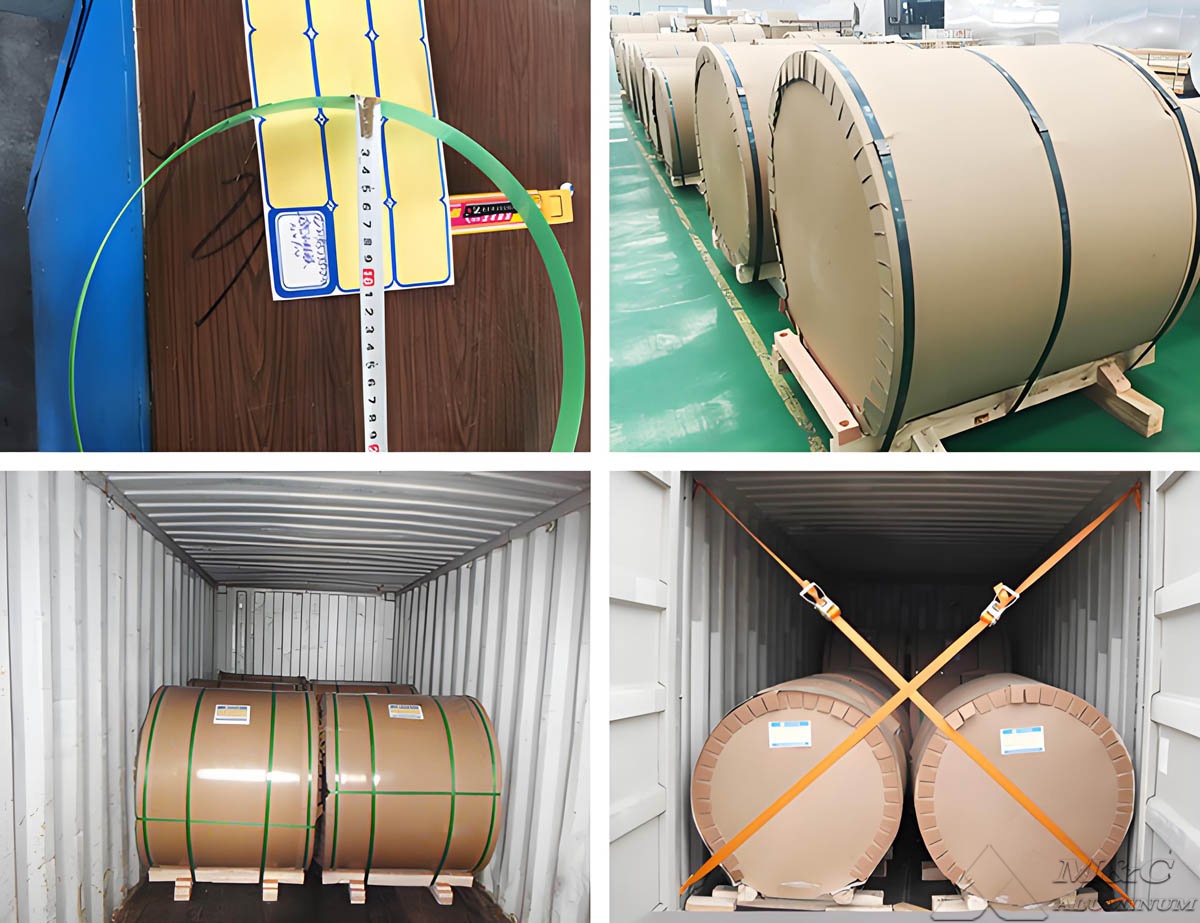
Battery-grade and laminate-grade foil requires careful packaging to prevent oxidation, deformation, moisture exposure, and edge damage during transport. After inspection, our coils are protected with suitable inner wrapping, moisture-resistant materials, edge protection, and reinforced outer packaging. Coil packaging can be prepared for sea freight, container loading, or other agreed export logistics conditions.
Each coil can be identified with product information such as alloy, temper, thickness, width, net weight, coil number, and production batch. This supports warehouse management and traceability at the customer's converting facility.
Conclusion
8021 aluminum foil for battery pouch cells is a specialized material used as the barrier layer in aluminum-plastic laminate packaging. Its performance is determined not only by alloy selection, but also by thickness control, soft temper stability, surface cleanliness, pinhole management, mechanical properties, and slitting quality.
As a 8021 aluminum foil manufacturer, we supply material according to the technical requirements of battery laminate converters and pouch cell producers. By controlling the complete production process and confirming application-specific specifications before manufacture, we help customers obtain foil suitable for stable lamination, forming, and battery packaging operations.


Contact Us