
3003 Epoxy Resin Coated Aluminum Foil
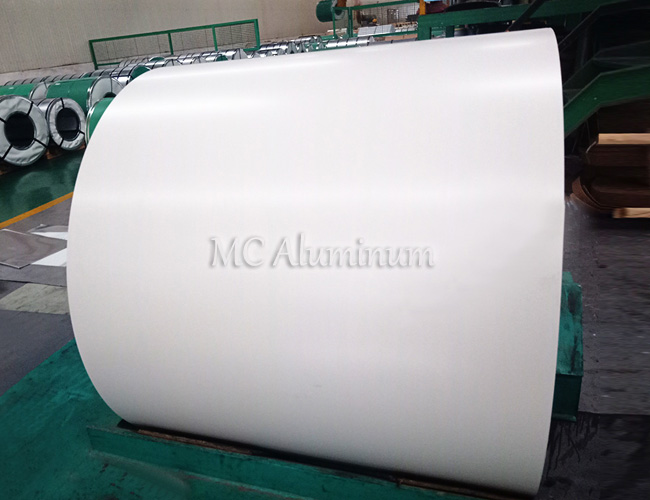
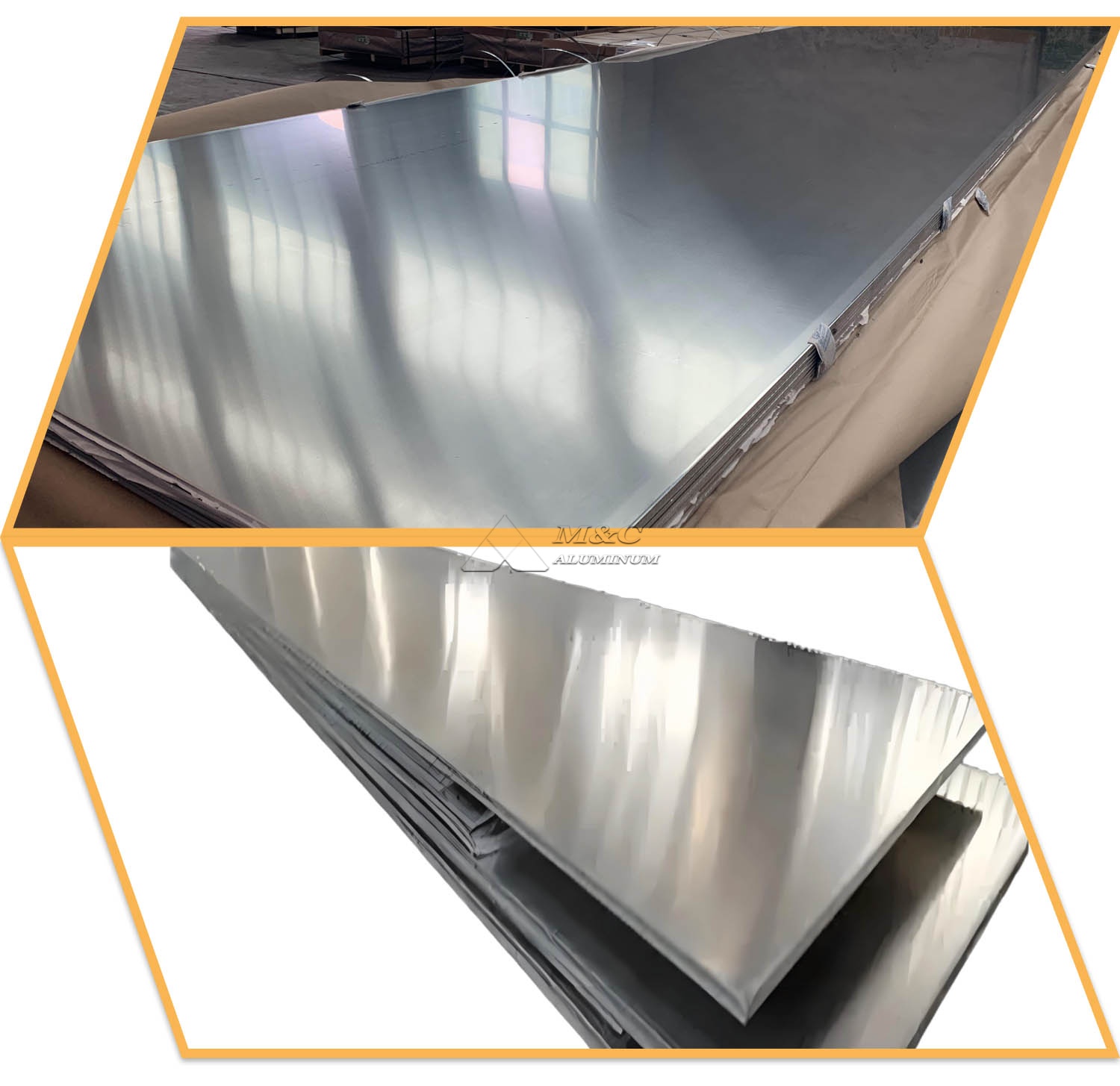
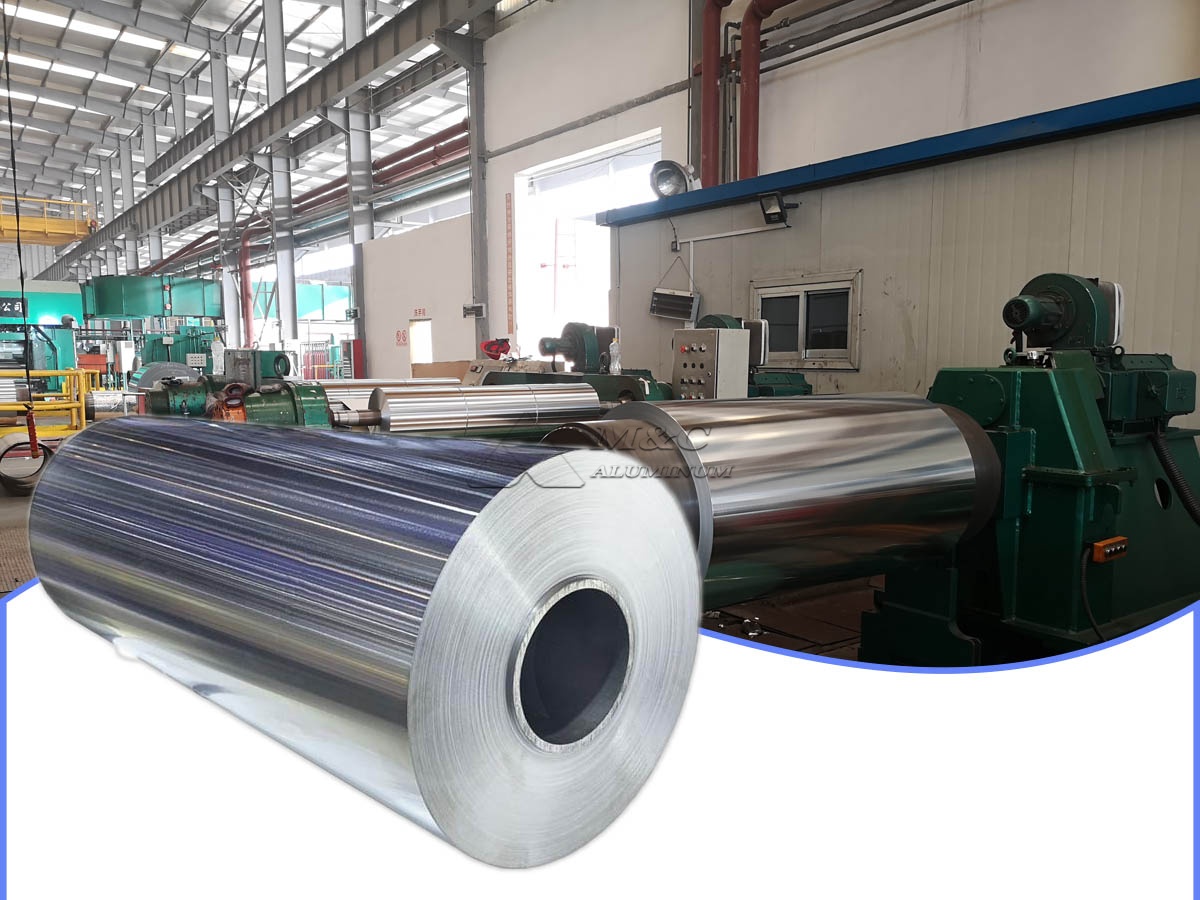
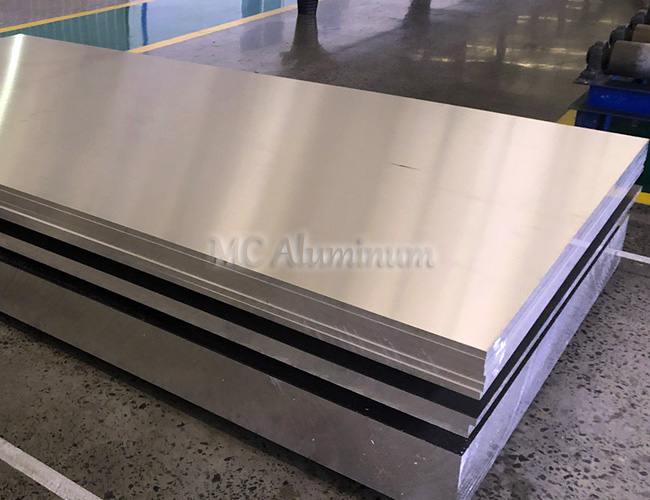
As a manufacturer of coated aluminum materials, we produce 3003 epoxy resin coated aluminum foil for industrial applications requiring controlled surface performance, dependable adhesion, and corrosion resistance. This product combines the stable forming properties of 3003 aluminum alloy with a precisely applied epoxy resin coating system. It is commonly selected for aluminum honeycomb core production, insulation structures, composite panels, heat-transfer components, and other engineered assemblies.
Our production process is designed around customer-specific requirements for foil thickness, coating type, dry film weight, curing condition, slit width, and coil configuration. Rather than supplying a general-purpose foil, we manufacture epoxy coated aluminum foil according to the functional requirements of each downstream process.
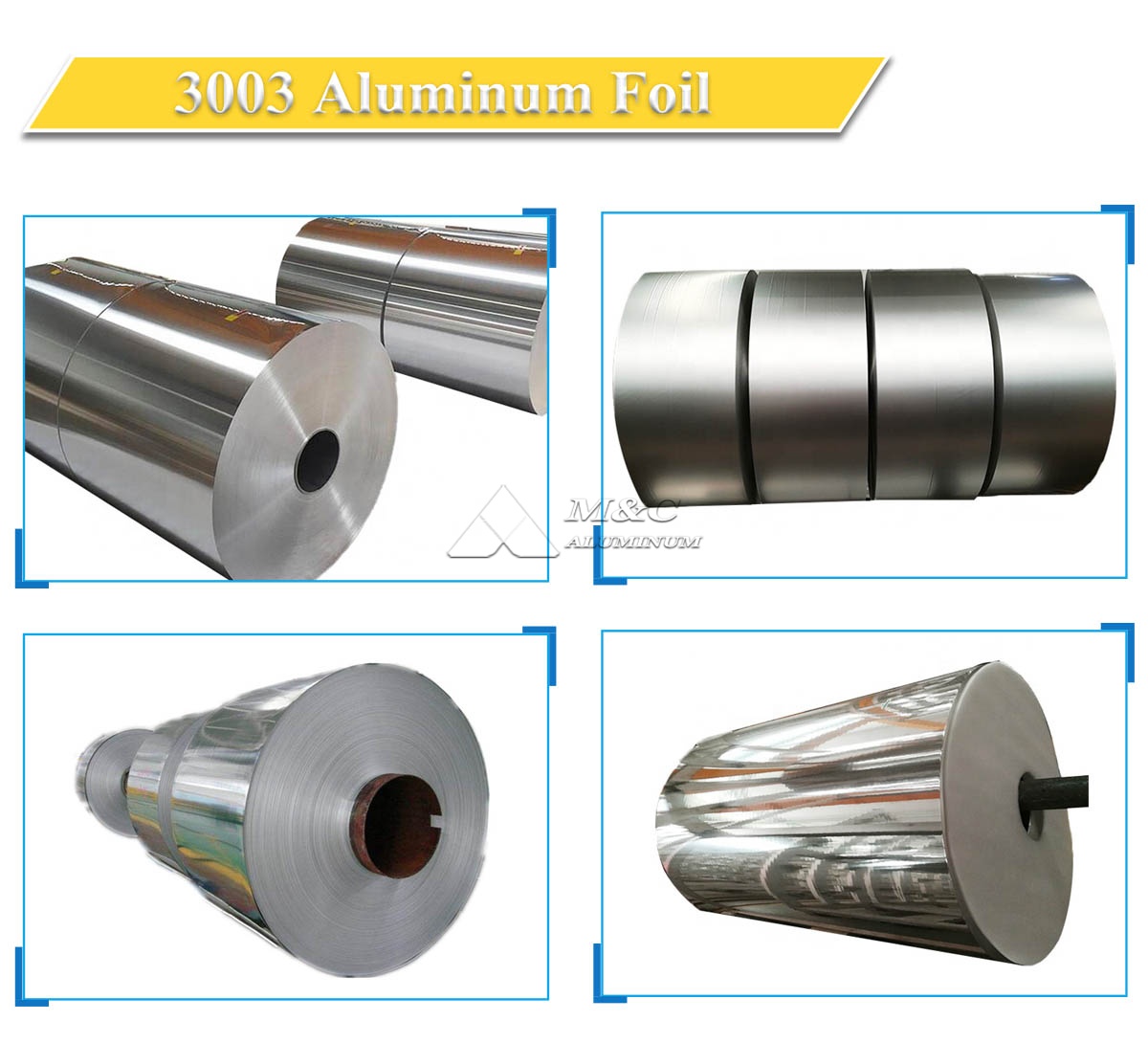
What Is 3003 Epoxy Resin Coated Aluminum Foil?
3003 epoxy resin coated aluminum foil is an aluminum foil product made from AA 3003 alloy and coated with a cured or partially cured epoxy resin layer. The epoxy coating may serve as a protective, adhesive, insulating, or bonding surface depending on the resin formulation and the customer's processing route.
AA 3003 is an aluminum-manganese alloy known for its good workability, moderate strength, and corrosion resistance. Compared with pure aluminum grades, 3003 aluminum foil provides improved mechanical stability while remaining suitable for rolling, slitting, folding, corrugating, and honeycomb expansion. After surface preparation, we apply the epoxy resin coating in a controlled coating line to achieve uniform coverage and stable coating performance.
The combination of 3003 alloy and epoxy resin is particularly suitable where bare metal needs additional protection from moisture, chemical exposure, adhesive interaction, or contact with other materials. The coating also helps improve the compatibility of the foil with bonding, laminating, and composite manufacturing processes.
For customers evaluating base-material options, our standard 3003 Aluminum Foil is also available in uncoated mill-finish condition for further conversion or customer-side coating.
Key Properties of 3003 Epoxy Coated Aluminum Foil
The performance of coated aluminum foil depends on both the alloy substrate and the coating system. We control these factors as an integrated manufacturing process.
Formability and Processing Stability
3003 aluminum foil has good ductility and processability. It can be slit into narrow widths, shaped into honeycomb configurations, corrugated, folded, or laminated without unnecessary cracking when the appropriate temper and coating flexibility are selected. For highly formed parts, we match the resin system to the expected bending radius and forming method.
Corrosion Resistance
The aluminum substrate already offers useful atmospheric corrosion resistance. The epoxy resin layer provides an additional barrier against water vapor, industrial contaminants, and certain chemical media. This makes 3003 epoxy resin coated aluminum foil suitable for protected assemblies used in transportation, construction, HVAC, and industrial equipment.
Adhesion Performance
Coating adhesion is critical for laminated products and honeycomb structures. We prepare the aluminum surface before coating to support strong resin anchoring. Depending on the application, coating systems can be formulated for compatibility with specified adhesives, films, sealants, or resin matrices.
Consistent Coil Surface
Uniformity across the width and length of each coil is essential for automated converting operations. Our coating process controls coating weight, oven temperature, line speed, and surface appearance to reduce variation between coil sections. This supports stable downstream laminating, bonding, or forming results.
Technical Parameters
The following table shows typical manufacturing ranges for 3003 epoxy resin coated aluminum foil. Final values are confirmed according to the product specification, coating chemistry, and intended application.
| Parameter | Typical Specification | Notes |
|---|---|---|
| Alloy | AA 3003 | Aluminum-manganese alloy |
| Temper | H14, H16, H18, H19, O | Selected according to forming and strength requirements |
| Foil thickness | 0.018-0.200 mm | Other gauges may be evaluated upon request |
| Foil width | 20-1,650 mm | Slitting width is customized to customer requirements |
| Coil inner diameter | 150 mm, 300 mm, 505 mm | Custom core sizes available |
| Coil outer diameter | Up to 1,200 mm | Subject to foil gauge and coil weight |
| Epoxy coating type | One-side or two-side epoxy coating | Protective, bonding, insulating, or functional systems |
| Dry coating weight | 0.5-8.0 g/m2 per side | Adjustable according to coating formulation |
| Coating color | Clear, gold, yellow, green, blue, custom | Color is subject to resin system and production approval |
| Coating finish | Gloss, semi-gloss, matte | Determined by application requirements |
| Adhesion | No peeling after specified test method | Test conditions agreed with customer |
| Surface quality | Clean, uniform, free from major defects | Inspected during production and final packing |
| Packaging | Export seaworthy coil packaging | Moisture protection and edge protection included |
Manufacturing Process at Our Factory
Our manufacturing route begins with qualified aluminum coil stock produced to the required 3003 alloy chemistry and temper. The foil is rolled to the specified gauge and inspected for thickness consistency, surface condition, and mechanical properties before coating.
The coating process generally includes the following stages:
Incoming coil inspection: We verify alloy grade, temper, thickness, width, and surface condition.
Surface cleaning and pretreatment: Oil, fine contaminants, and surface residues are removed to support coating adhesion.
Epoxy coating application: The resin is applied by controlled roll coating or another suitable process based on coating weight and surface requirements.
Thermal curing: The coated foil passes through an oven under controlled temperature and dwell-time conditions to develop the required film properties.
Quality inspection: We check coating appearance, continuity, adhesion, coating weight, thickness, and coil winding quality.
Slitting and rewinding: Coils are slit to the customer's required widths and wound under controlled tension.
Protective packaging: Finished coils are packed with moisture-barrier materials, protective edge guards, and export-grade wooden or reinforced pallets when required.
Main Applications
Aluminum Honeycomb Core
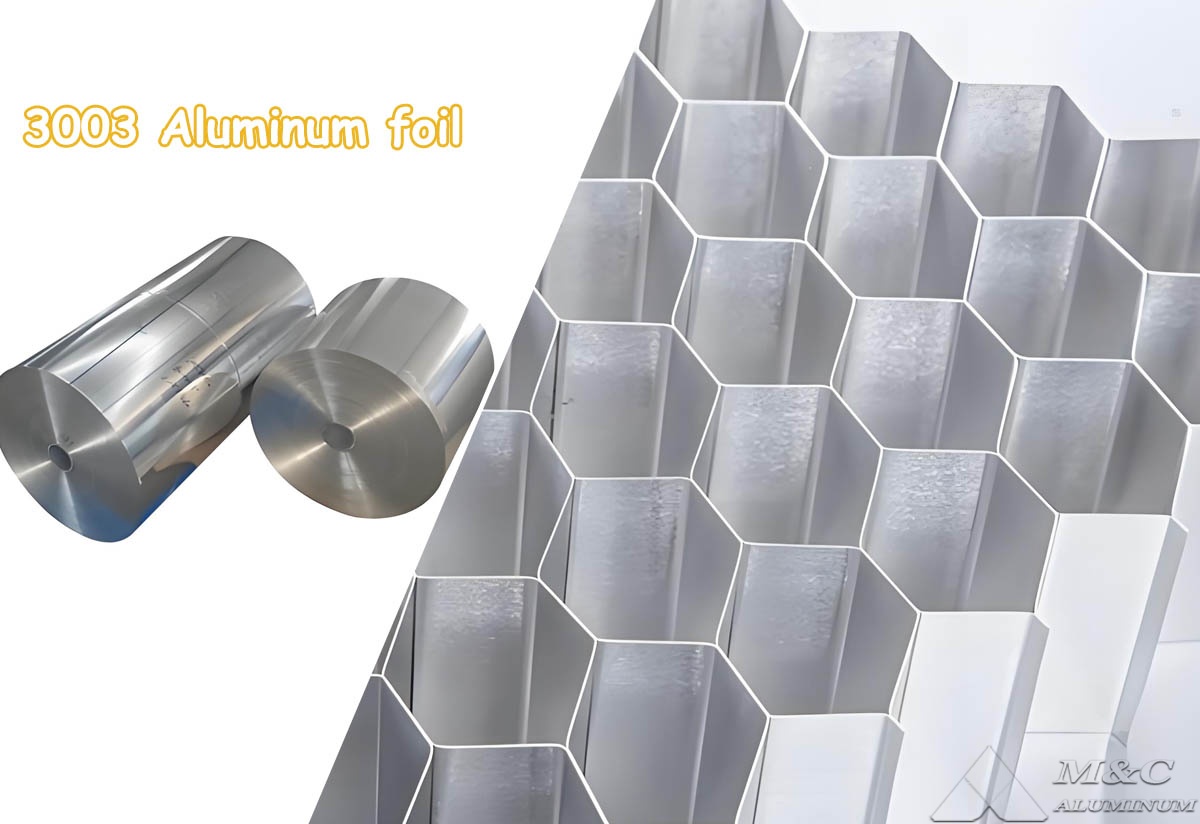
One of the principal uses of 3003 epoxy resin coated aluminum foil is aluminum honeycomb core production. The coated surface can support bonding between foil layers during node bonding and expansion. The required coating system depends on the honeycomb cell size, expansion method, adhesive process, and final operating environment.
For honeycomb applications, foil flatness, width accuracy, coating consistency, and controlled mechanical properties are especially important. We can provide slit coils configured for high-efficiency honeycomb production lines.
Composite Panels and Sandwich Structures
Epoxy coated aluminum foil is used as a functional layer in lightweight sandwich panels and composite assemblies. The foil may act as a barrier, facing material, reinforcement layer, or bonding interface. Its low weight and corrosion resistance make it suitable for structures where material efficiency is important.
Thermal Insulation and Barrier Systems
In insulation systems, coated aluminum foil can provide a reflective and protective layer. The epoxy coating improves resistance to handling damage and can be designed to work with insulation materials, adhesives, or laminating films. The final material selection should consider temperature exposure, moisture conditions, and installation method.
HVAC and Industrial Components
Certain HVAC and industrial assemblies require coated aluminum foil with protection against condensate, corrosive atmospheres, or process chemicals. Where a hydrophilic or specialized heat-transfer surface is required, customers may also consider our Aluminium Foil For Air Conditioner products, which are manufactured for HVAC fin-stock applications.
Electrical and Protective Laminates
Depending on the epoxy formulation and thickness, coated aluminum foil may be used in insulation laminates, cable-related structures, protective wraps, and specialized industrial packaging. Electrical requirements, dielectric performance, and chemical compatibility should be confirmed during product development.
Quality Control and Testing
We recognize that coated aluminum foil performance cannot be evaluated by appearance alone. Our quality control system focuses on the characteristics that influence downstream conversion and final service performance.
Typical inspections include thickness measurement, width verification, visual surface inspection, coating weight measurement, adhesion testing, flexibility assessment, curing condition evaluation, and coil winding inspection. When required, we can also align inspection items with customer-defined standards for corrosion resistance, solvent resistance, heat resistance, pencil hardness, or bonding compatibility.
For projects with critical technical requirements, we recommend confirming the following before mass production: base alloy and temper, foil gauge tolerance, coating side, dry film weight, curing level, color, forming method, adhesive system, service temperature, and packaging conditions. Trial coils can be arranged for process validation when appropriate.
Why Select a Factory-Manufactured Coated Foil?
Direct manufacturing allows the substrate, surface treatment, coating application, curing, and slitting stages to be coordinated under one quality framework. This is important because coating performance is influenced by the condition of the aluminum foil before the resin is applied.
As a 3003 aluminum foil manufacturer, we work with customers to define practical specifications rather than relying on a single fixed coating structure. We can adjust foil temper, gauge, slit width, epoxy system, coating weight, and packing method to suit the actual production environment. This approach helps reduce unnecessary converting issues and supports consistent material performance from trial order to repeat supply.
Packaging and Supply Considerations
Our 3003 epoxy resin coated aluminum foil is supplied in coils with protective wrapping suitable for international shipment. Packaging can include moisture-proof paper, plastic film, desiccant, steel or plastic strapping, edge protectors, and fumigated wooden pallets where required. Coil labels identify essential traceability information, including alloy, temper, thickness, width, coil number, and net weight.
For export orders, we confirm the destination, shipping method, storage conditions, and handling requirements before packing. Proper storage is recommended in a dry, ventilated environment away from direct water exposure, aggressive chemicals, and excessive heat. Customers should allow the material to equilibrate to workshop temperature before processing if coils have been stored in significantly different conditions.
Conclusion
3003 epoxy resin coated aluminum foil is a versatile engineered material that combines the formability of AA 3003 aluminum with the protective and functional benefits of epoxy resin coating. It is widely applicable in honeycomb core, composite panels, barrier systems, insulation products, and industrial assemblies.
Our factory manufactures coated aluminum foil with controlled substrate quality, coating uniformity, curing conditions, and slitting accuracy. By defining the foil and coating specification around the final application, customers can obtain a material designed for reliable forming, bonding, protection, and long-term service performance.
Contact Us