
8079 Vs 8011 Aluminum Foil Comparison
Introduction: Why 8079 and 8011 Foils Are Often Compared
As a manufacturer of aluminum foil jumbo rolls for packaging and industrial converting, we frequently receive engineering inquiries about 8079 aluminum foil vs 8011 aluminum foil. Both alloys belong to the Al-Fe-Si family and are widely used in food packaging aluminum foil and pharmaceutical blister foil supply chains. In practice, the choice is rarely about a single property. It is a balance of gauge range, pinhole risk, barrier reliability, mechanical strength, forming performance, and downstream converting requirements such as printing, laminating, and heat sealing.
This article compares 8079 and 8011 aluminum foil from a factory perspective, focusing on typical specifications, performance characteristics, manufacturing controls, and application fit. The aim is to help packaging engineers and procurement teams define a stable, auditable specification that matches the end use.
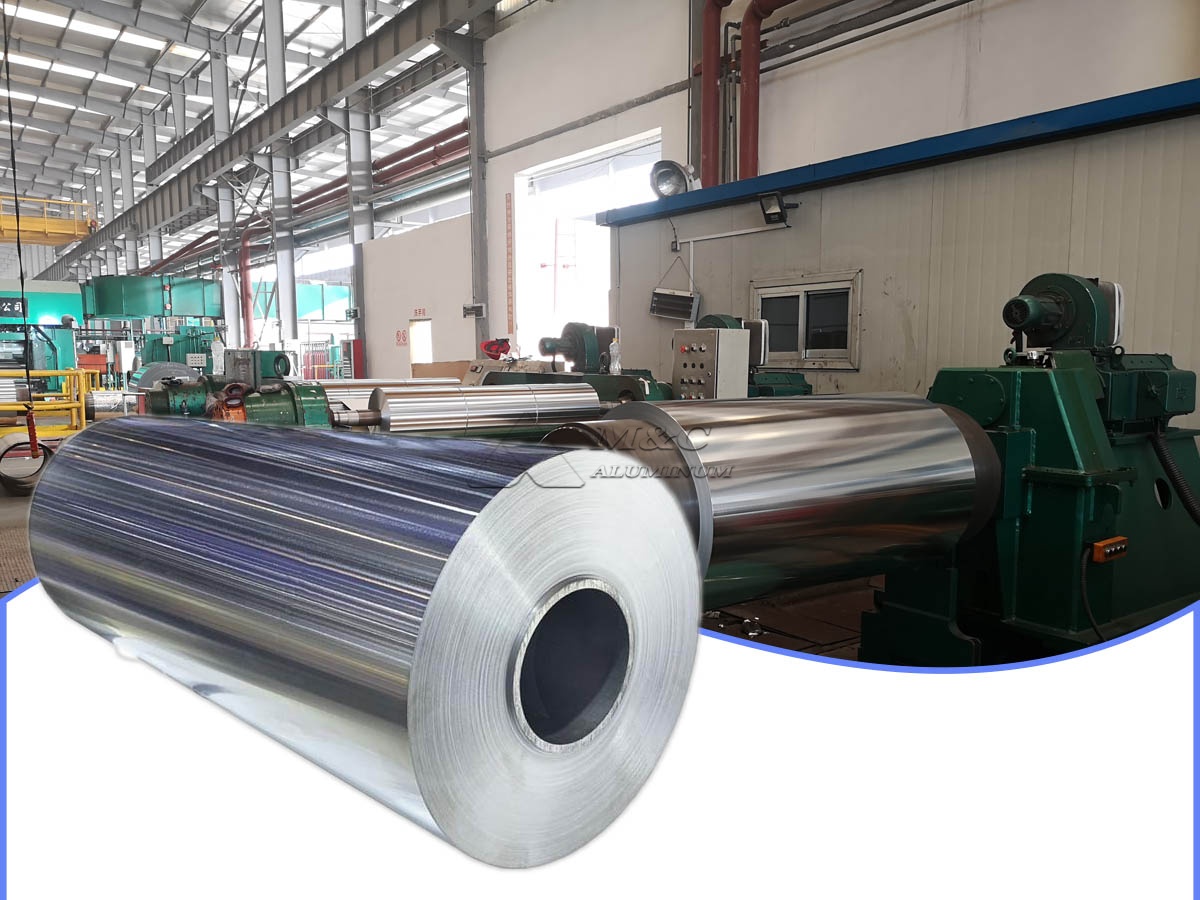
Alloy Background and Material Characteristics
What 8011 Aluminum Foil Is
8011 aluminum foil is a widely used packaging alloy. With controlled Fe and Si levels, it delivers reliable processability, good elongation, and stable performance in common packaging tempers. It is frequently selected for:
Household foil and food container stock
General food packaging laminates
Bottle neck wrap, labels, and light-gauge lidding
Some pharmaceutical packaging structures when gauge and pinhole limits are met
What 8079 Aluminum Foil Is
8079 aluminum foil is often selected when the application is more sensitive to pinholes, barrier continuity, or when higher strength is advantageous at very thin gauges. It is commonly used for:
High-barrier pharmaceutical blister foil and strip pack
High-end food and dairy packaging laminations
Applications requiring a more robust barrier at reduced thickness
While both alloys can be produced across overlapping ranges, many converters associate 8079 with demanding thin-gauge, high-barrier structures, and 8011 with broader packaging versatility.
Typical Technical Parameters
| Item | 8011 Aluminum Foil (Typical) | 8079 Aluminum Foil (Typical) | Notes for Selection |
|---|---|---|---|
| Alloy series | Al-Fe-Si | Al-Fe-Si | Both are packaging alloys |
| Thickness range, mm | 0.006 to 0.200 | 0.006 to 0.200 | Thin gauges are available for both with appropriate controls |
| Common tempers | O, H18, H19, H22, H24 | O, H18, H19 | Temper depends on forming, sealing, and lamination needs |
| Typical width, mm | 100 to 1600 | 100 to 1600 | Wider widths available subject to mill configuration |
| ID, mm | 76, 152 | 76, 152 | Standard converter cores |
| OD, mm | As agreed | As agreed | Defined by weight and handling limits |
| Surface finish | Bright, matte, one-side bright | Bright, matte, one-side bright | Finish relates to rolling and application |
| Pinhole control | Good | Very good at thin gauge | Depends on gauge, cleanliness, and inspection criteria |
| Barrier performance | Excellent | Excellent | Both provide near-total light, oxygen, and moisture barrier |
| Formability | Good to very good | Good | Depends strongly on temper and gauge |
| Typical applications | Food, household, lids, general laminates | Pharma blister, strip pack, high-barrier laminates | Overlap exists; define by end-use validation |
8079 VS 8011 Aluminum foil
1. Chemical Composition
8011 Aluminum Foil: Primarily contains Fe (iron) and Si (silicon), with a total alloy content exceeding 1%. It contains no lithium and belongs to the Al-Fe-Si alloy system.
8079 Aluminum Foil: Also primarily composed of Fe and Si, but with a higher Fe content (0.7%~1.3%) and a Si content of 0.05%~0.30%. Impurity control is more stringent.
2.Mechanical properties
| Performance | 8079 | 8011 | Difference conclusions |
| tensile strength | 95-125 MPa | 80-110 MPa | 8079 has higher strength |
| elongation | 15-28% | 10-18% | 8079 has higher elongation and better toughness. |
| Puncture/Tear Resistance | Excellent | Good | 8079 has stronger puncture and tear resistance. |
| Deep drawing / cup protrusion | Excellent | Good | 8079 has stronger deep drawing forming capabilities. |
3. Application Scenarios
Main Applications of 8011 Aluminum Foil:
Pharmaceutical Packaging: Common PTP sheet packaging (tablet foil), cold-stamped aluminum.
Food Containers: Semi-rigid containers (e.g., takeout containers), household cooking foil.
Industrial Applications: Cable wrapping, transformer wrapping.
Main Applications of 8079 Aluminum Foil:
High-end Food Packaging: Such as chocolate packaging (requiring extreme adhesion), candy wrappers.
Multi-layer Composite Packaging: Often laminated with paper, PE, PET, etc., used for long-shelf-life milk and juice Tetra Pak (Aseptic Packaging).
Electronic Products: Aluminum-plastic film for lithium battery pouches (some high-requirement applications).
Manufacturing Capabilities: How We Produce Stable Foil for Converting
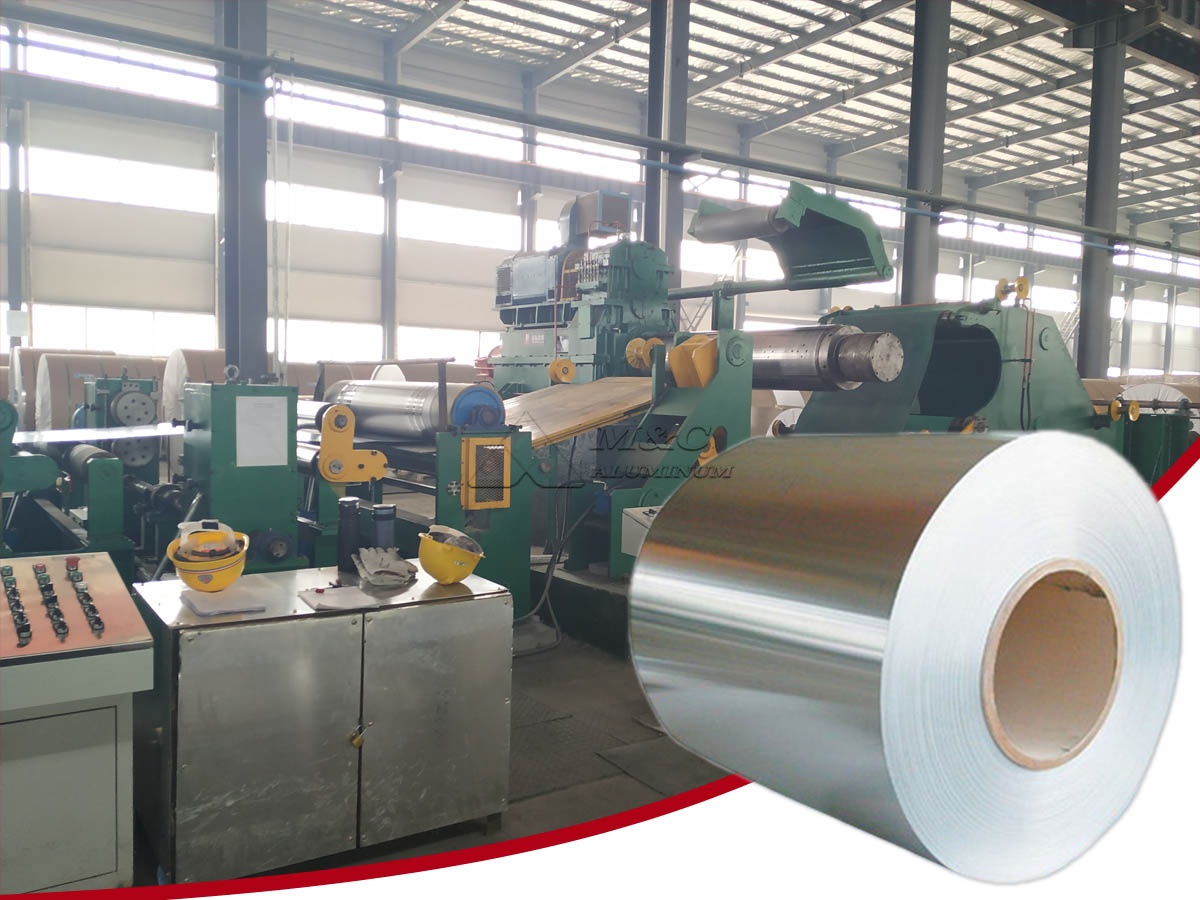
As a foil manufacturer, we control the process from ingot sourcing through rolling, annealing, slitting, and final inspection. Stable foil performance is achieved by controlling variability, especially in thin gauges.
Core Manufacturing Steps
Melt and alloying control: chemical composition is controlled per internal targets aligned to applicable standards.
Hot rolling and cold rolling: multi-pass schedules are optimized for thickness accuracy, flatness, and surface consistency.
Intermediate and final annealing: annealing profiles are set to deliver required temper and elongation without compromising surface cleanliness.
Foil finishing: surface finish and one-side bright characteristics are controlled through rolling parameters.
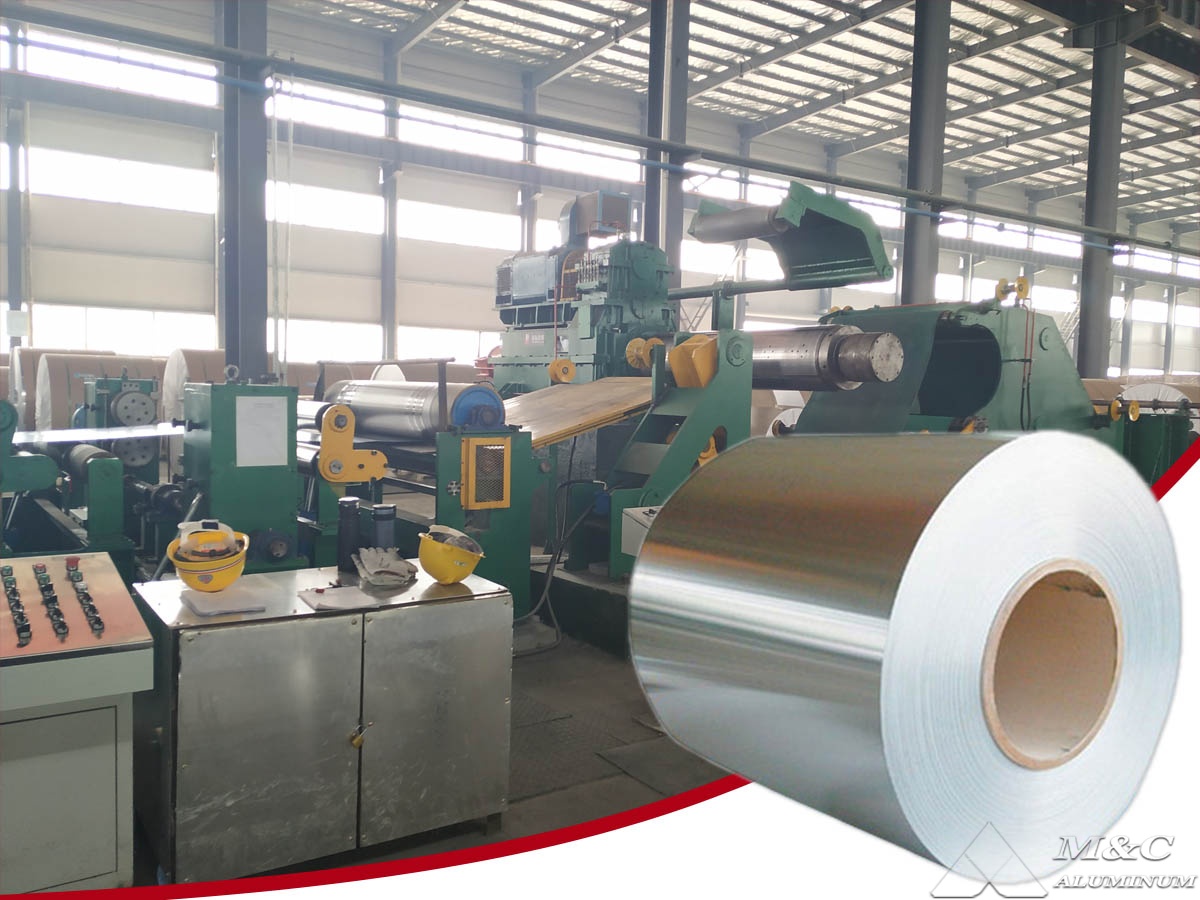
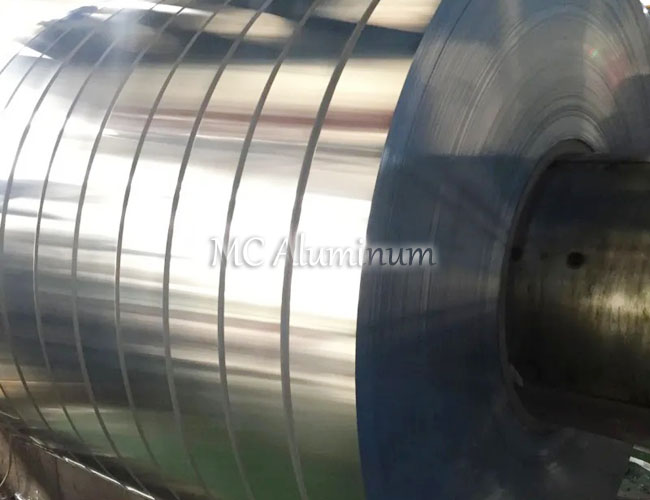
Slitting and rewinding: tension control and edge quality management are critical to avoid telescoping, edge damage, and web breaks.
Quality Control and Inspection Items
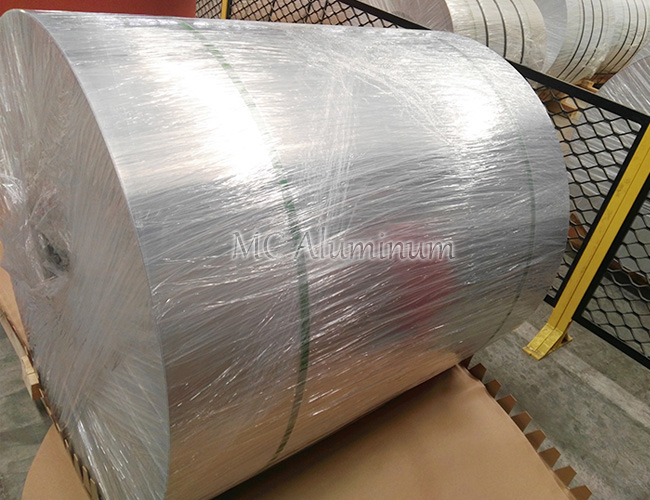
For both 8011 aluminum foil jumbo roll and 8079 aluminum foil jumbo roll, our inspection plan typically includes:
Thickness and gauge mapping: to ensure uniformity across width and length.
Width, camber, and edge quality: burr control and edge condition for high-speed converting.
Flatness and coil shape: minimizing waves and crossbow to support stable unwinding.
Surface cleanliness: visual inspection and cleanliness controls to support printing, laminating, and coating.
Pinhole inspection: critical for pharmaceutical blister foil and thin-gauge high-barrier applications. Acceptance criteria should be defined by the customer spec (pinhole size/count thresholds and inspection method).
Mechanical properties (as required): tensile strength and elongation per temper and end use.
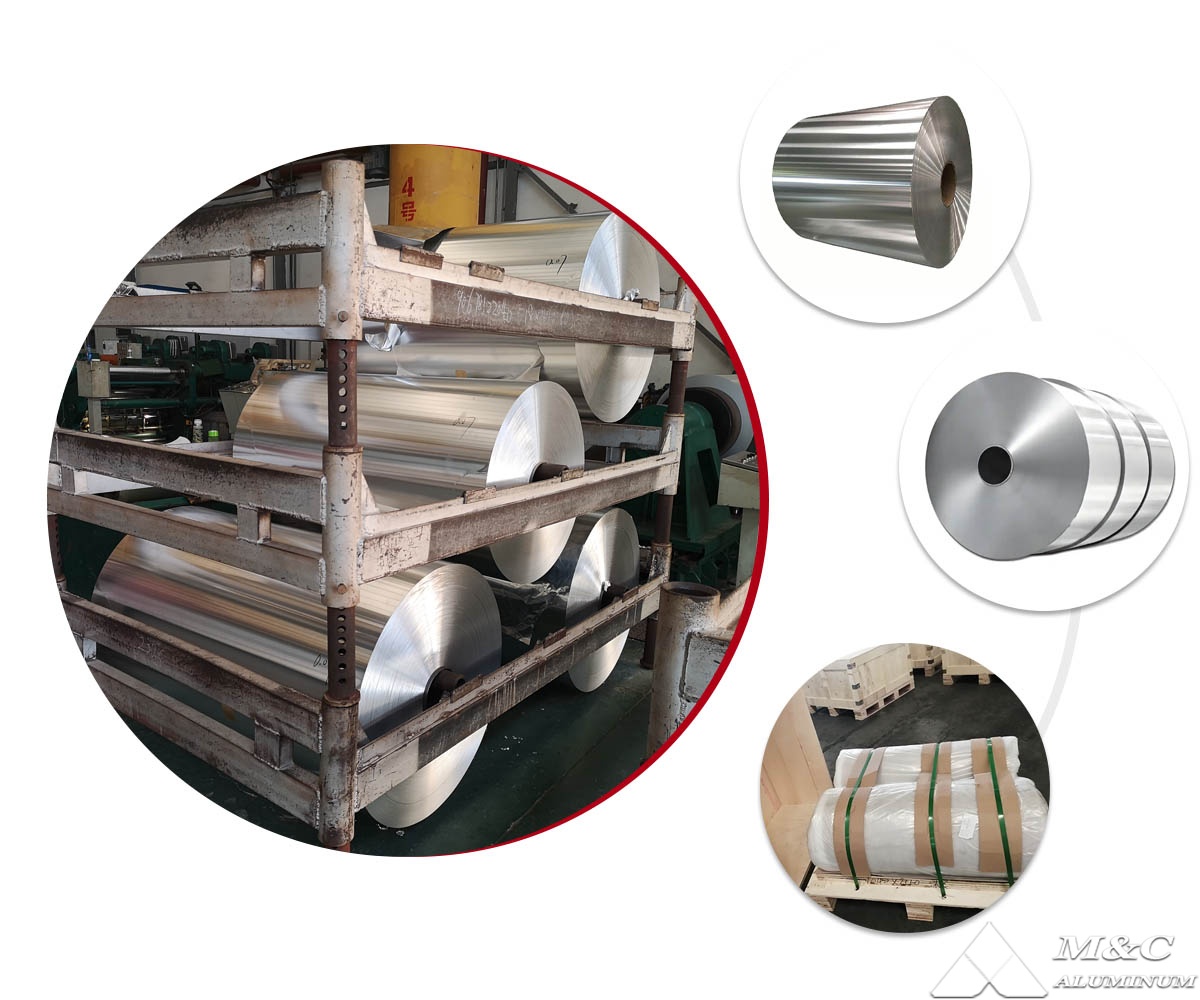
Packaging integrity: moisture protection, corner protection, and handling labels to prevent transport damage.
Standards and Documentation
We supply foil to customer requirements aligned with commonly referenced aluminum standards and packaging documentation practices. Typical deliverables include:
Mill test certificate and coil traceability
Incoming material traceability for regulated packaging chains
Agreed inspection standards and sampling plans
If your product is regulated (pharmaceutical or medical), we recommend locking the specification early, including pinhole limits, surface requirements, lubricant residue limits, and any required compatibility with lacquers or primers.
Customization Options for 8079 and 8011 Foils
Different converters require different winding and process parameters. We routinely customize:
Thickness and tolerance: optimized for barrier, stiffness, and cost targets
Temper: O for forming or lamination needs, H18/H19 for higher strength webs
Surface: matte or bright preference, one-side bright for certain lamination structures
Coil dimensions: width, ID, OD, coil weight
Slitting quality: edge condition and roll hardness profile matched to your equipment
Packaging: pallet type, moisture barrier wrap, container loading plans
For pharmaceutical blister foil and strip pack, we can align the supply format to your coating or printing line requirements to reduce setup waste and improve yield.
Application Scenarios and Target Industries
Pharmaceutical Packaging
Blister lidding foil and strip pack foil prioritize consistent barrier performance, pinhole control, and stable converting. Many validated packaging systems specify 8079 aluminum foil.
Food and Dairy Packaging
Laminated structures for dairy lids, confectionery wraps, and retort-oriented packaging often use 8011 or 8079 depending on the barrier and thickness targets.
For high-volume general structures, 8011 aluminum foil is commonly specified.
Household and General Packaging
Household foil, barbecue foil, and general wrapping products frequently use 8011 due to broad availability and stable processability.
Industrial and Insulation Laminates
Both alloys can be used as facer layers or barrier layers in insulation and technical laminates, selected based on gauge, temper, and required coil format.
Comparison With Other Common Foil Alloys
While 8079 and 8011 are dominant in packaging, other alloys may be considered:
1235 aluminum foil: often used for household foil and some laminations. It can be cost-effective but may be less favored for demanding blister structures where pinhole criteria are very strict.
8021 aluminum foil: used in certain pharmaceutical applications and may be specified by legacy systems.
3003 aluminum foil/sheet (not typical for ultra-thin foil): used more in container stock and forming applications where Mn addition benefits specific performance needs.
In selection discussions, we recommend starting from the end-use structure and validation requirements (especially for pharmaceutical), then mapping to alloy, temper, and thickness with clear acceptance criteria.
How to Choose Between 8079 and 8011 for Your Project
From a manufacturing standpoint, the correct choice depends on the risk profile of the packaging and the converting process:
Choose 8079 aluminum foil when:
The application is thin-gauge and pinhole sensitivity is critical.
You are supplying pharmaceutical blister or strip pack structures with validated specifications.
Higher web robustness is needed at low thickness.
Choose 8011 aluminum foil when:
The application is general food packaging, household, or standard lidding and laminates.
You need broad temper options and stable forming performance.
Your specification focuses on cost-performance balance without extreme pinhole constraints.
In all cases, define the specification beyond alloy name, including thickness tolerance, temper, surface requirements, pinhole limits, coil format, and inspection method.
Conclusion: Stable Supply and Technical Cooperation
As a manufacturing plant producing 8079 aluminum foil and 8011 aluminum foil in jumbo rolls, we focus on process stability, traceability, and converter-oriented quality controls. For engineering teams, the most effective procurement outcome is achieved when alloy selection is tied to a clear, measurable specification and a mutually agreed inspection plan.
We support long-term programs through consistent rolling schedules, controlled annealing, pinhole inspection capability for thin gauges, and customization of coil format for your converting lines. For new developments or line trials, our technical team can review your structure, target gauge, and converting conditions to recommend an alloy and temper that meet performance requirements with stable supply continuity.
Contact Us