
Aluminum 5083 H321 Sheet For Marine Hulls
As a manufacturer of marine grade aluminum sheet, we produce 5083 H321 aluminum sheet for welded hull structures, decks, bulkheads, superstructures, and offshore marine equipment. Alloy 5083 is an Al-Mg alloy developed for environments where long-term exposure to seawater, humidity, and salt spray is expected. In the H321 temper, the material combines controlled strain hardening with stabilization to provide dependable mechanical properties and improved resistance to sensitization during service.
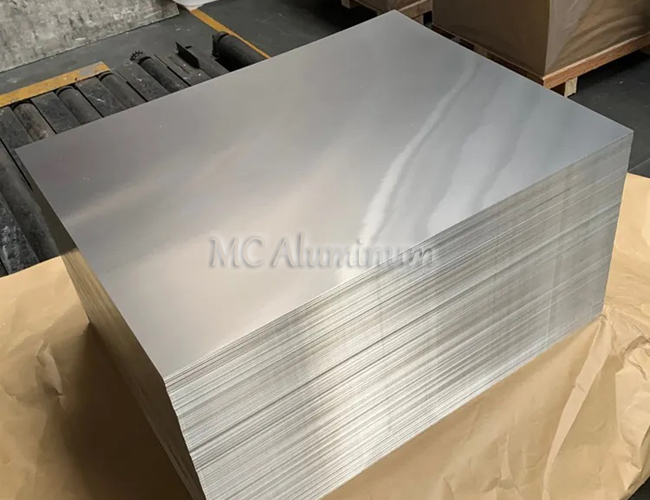
For shipyards, boatbuilders, naval equipment fabricators, and marine engineering contractors, material selection affects both fabrication efficiency and vessel service life. Our 5083 H321 marine aluminum sheet is manufactured with controlled chemistry, rolling reduction, heat treatment, flatness inspection, and surface protection procedures. We supply plates and sheets in dimensions suitable for hull plating and can prepare products to applicable ASTM, EN, and customer-specific requirements.
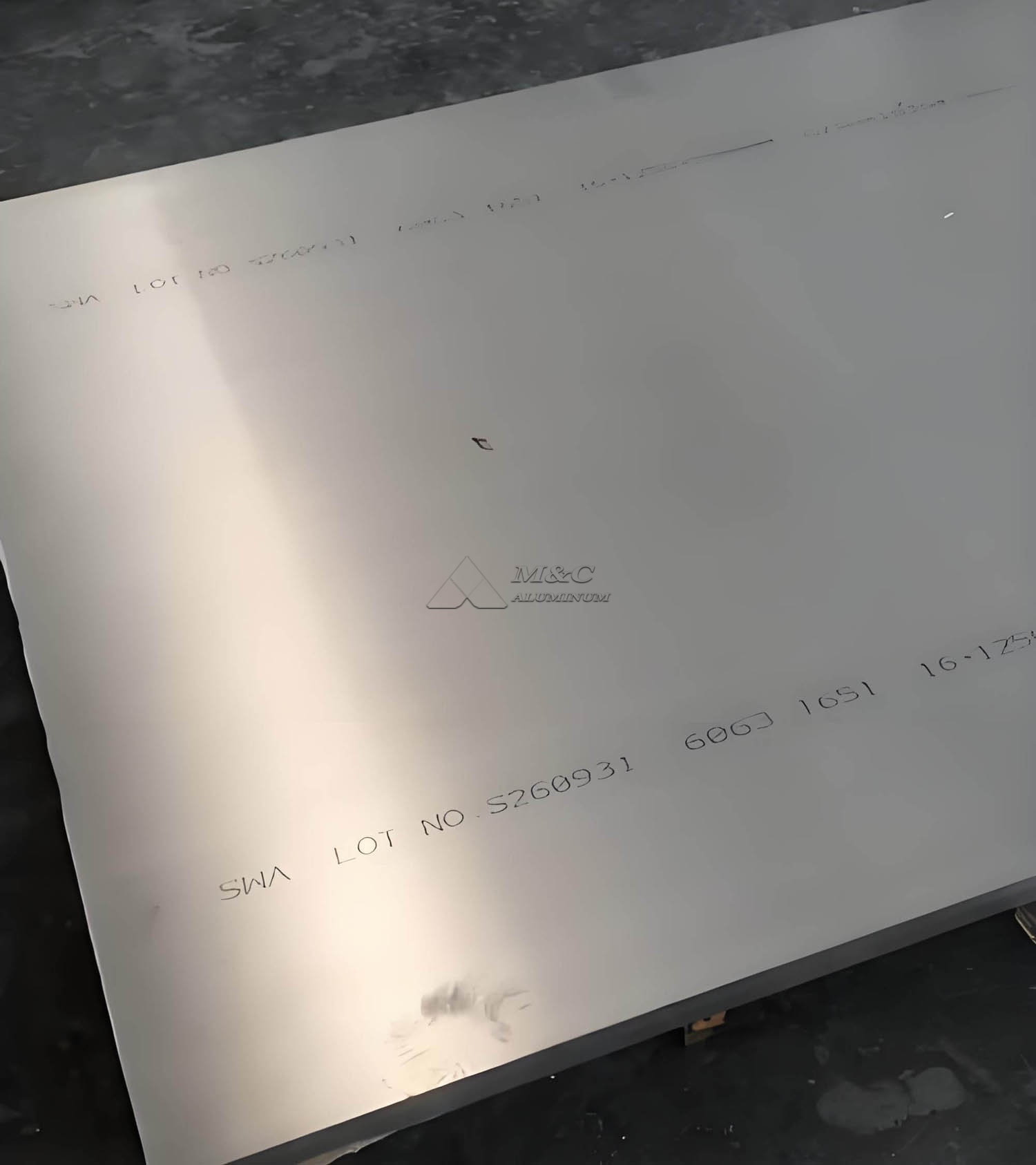
Why 5083 H321 Is Used for Marine Hulls
5083 is one of the most established non-heat-treatable aluminum alloys for marine construction. Its magnesium content gives it high strength compared with many other 5xxx series alloys while maintaining good weldability and corrosion performance in marine atmospheres and seawater service.
The H321 temper identifies material that has been strain hardened and stabilized. Stabilization is important for 5083 aluminum sheet because it helps control the metallurgical effects associated with elevated-temperature exposure and supports resistance to sensitization. This is particularly relevant for welded marine structures, where heat input, fabrication sequence, and operating conditions must be considered together.
Key reasons marine fabricators specify 5083 H321 aluminum sheet include:
Strong resistance to seawater and industrial marine atmospheres.
Good strength-to-weight ratio for reducing vessel deadweight.
Excellent weldability by MIG and TIG processes.
Suitability for large welded hull panels and structural assemblies.
Good formability for curved plating and fabricated marine sections.
Reliable low-temperature performance for vessels operating in cold regions.
Availability in wide and long plate formats for reducing welded joints.
Compared with steel hull construction, marine hull aluminum can reduce structural weight, support higher payload efficiency, and simplify handling of large panels. The final design choice must still consider vessel type, structural rules, joining method, corrosion protection strategy, and relevant classification requirements.
5083 H321 Aluminum Sheet Technical Parameters
The following data represent typical technical ranges for 5083 H321 marine aluminum sheet. Final values depend on thickness, width, applicable standard, and agreed inspection requirements.
| Parameter | Specification / Typical Value |
|---|---|
| Alloy designation | EN AW-5083 / AA 5083 |
| Temper | H321 |
| Alloy family | Aluminum-magnesium, 5xxx series |
| Main alloying element | Magnesium |
| Density | Approximately 2.66 g/cm3 |
| Melting range | Approximately 574 to 638 C |
| Elastic modulus | Approximately 70 GPa |
| Thermal conductivity | Approximately 117 W/m.K |
| Electrical conductivity | Approximately 29 percent IACS |
| Typical tensile strength | 275 to 385 MPa, depending on thickness |
| Typical 0.2 percent proof strength | 125 to 215 MPa, depending on thickness |
| Typical elongation | 10 to 16 percent, depending on thickness and test direction |
| Corrosion resistance | Excellent in seawater and marine atmosphere |
| Weldability | Excellent with suitable filler metal and procedure |
| Common specifications | ASTM B928/B928M, ASTM B209, EN 485, EN 573, EN 10204 |
| Available thickness | Typically 1.5 to 200 mm, subject to production program |
| Available width | Typically up to 2,600 mm, subject to thickness and equipment capability |
| Available length | Standard and cut-to-length formats available |
Typical Chemical Composition
| Element | Content, percent by weight |
|---|---|
| Magnesium, Mg | 4.0 to 4.9 |
| Manganese, Mn | 0.4 to 1.0 |
| Chromium, Cr | 0.05 to 0.25 |
| Iron, Fe | 0.40 maximum |
| Silicon, Si | 0.40 maximum |
| Copper, Cu | 0.10 maximum |
| Zinc, Zn | 0.25 maximum |
| Titanium, Ti | 0.15 maximum |
| Aluminum, Al | Balance |
Manufacturing Control for Marine Grade Material
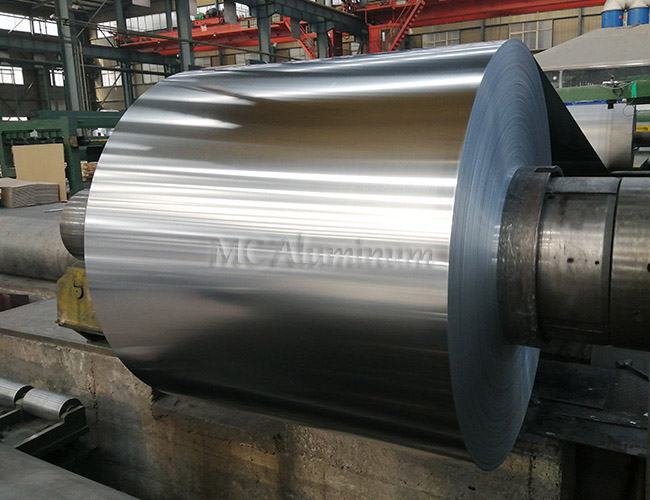
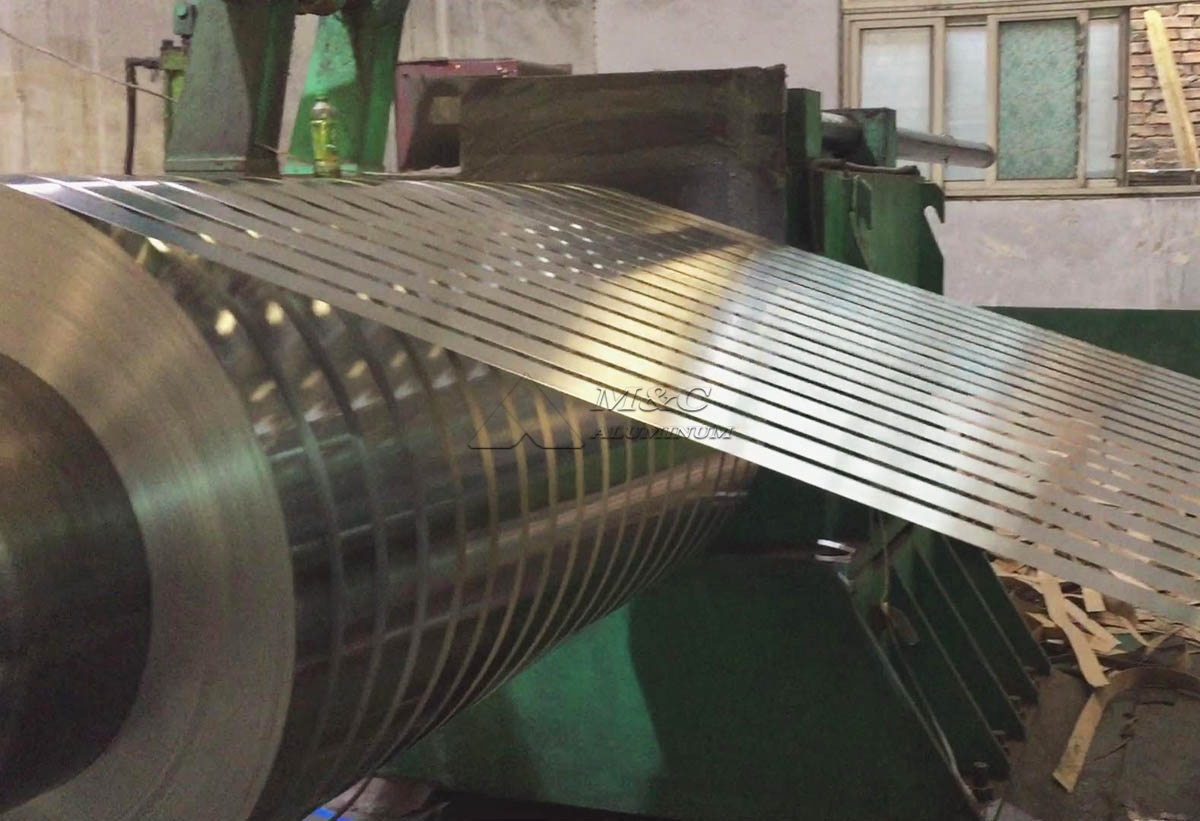
Our production process begins with verified primary aluminum and alloying materials. Chemical composition is controlled during melting and refining to maintain the required magnesium, manganese, chromium, and impurity limits. After casting, the slab is homogenized and processed through hot rolling and cold rolling or final plate rolling routes according to the required gauge.
For 5083 H321 aluminum sheet, temper control is a critical stage. The product receives a defined degree of strain hardening and a stabilization treatment designed to achieve the H321 condition. We monitor process parameters to support consistent mechanical properties across the sheet or plate surface and through the production lot.
Dimensional quality is equally important for hull fabrication. Flatness, thickness tolerance, edge condition, camber, and surface quality can influence cutting, forming, fit-up, and welding efficiency at the shipyard. Our inspection program can include chemical analysis, tensile testing, ultrasonic testing where specified, visual surface inspection, dimensional measurement, and documentation under EN 10204 3.1.
For related alloy options and product formats, our 5083 Aluminum sheet range covers marine, transportation, pressure vessel, and structural applications.
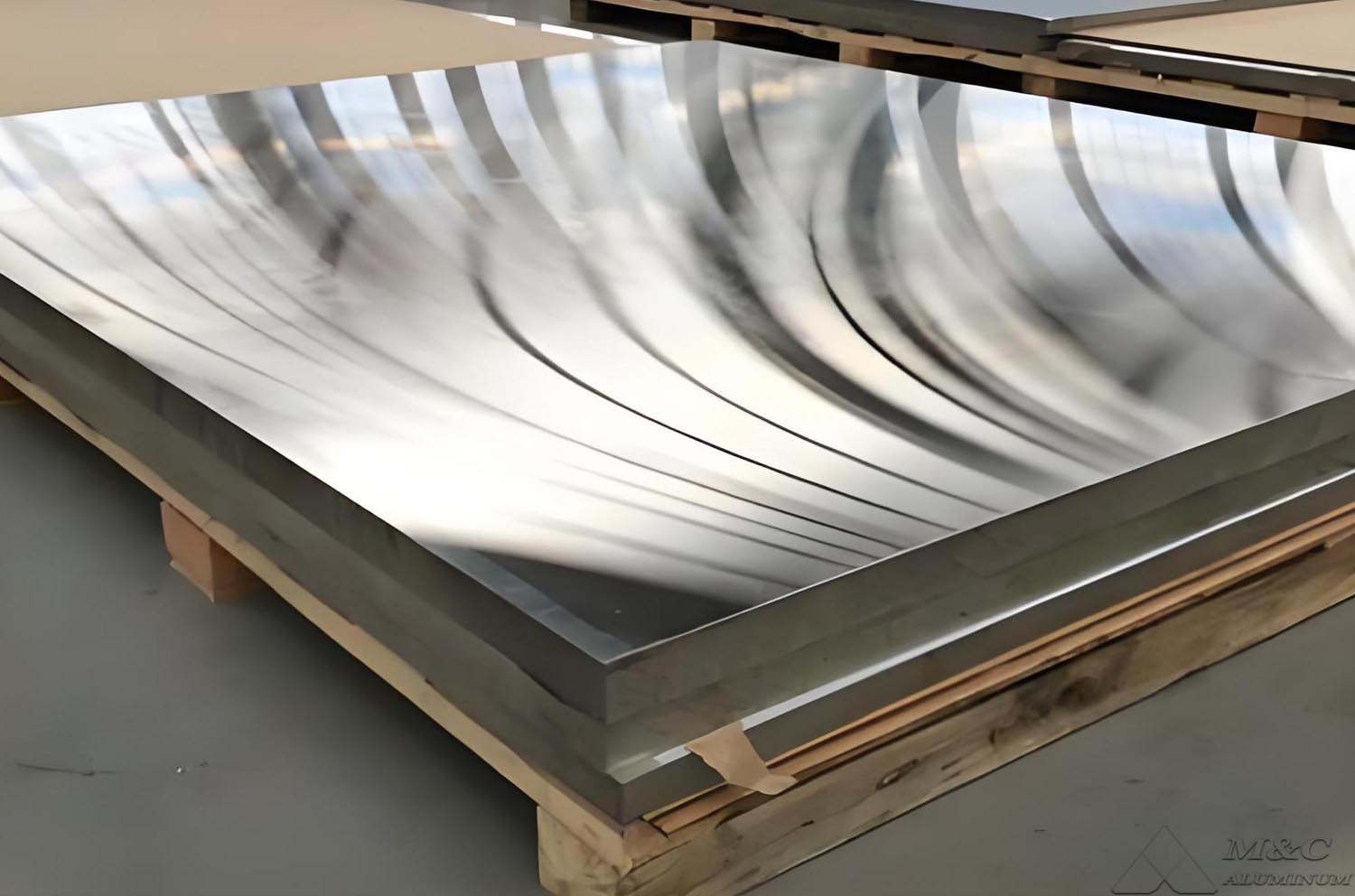
Marine Hull Applications
5083 H321 marine aluminum plate is widely used where corrosion resistance and welded structural strength are essential. Thickness selection should be determined by the naval architect, vessel design code, structural load path, and classification society requirements.
Typical applications include:
Bottom shell and side shell plating.
High-speed craft and patrol boat hulls.
Fishing vessels and workboats.
Ferries, passenger vessels, and landing craft.
Deck plating and watertight bulkheads.
Engine room partitions and machinery foundations.
Tank boundaries and marine utility structures.
Offshore access platforms and service vessels.
In many hull designs, 5083 H321 is selected for primary plating, while other marine aluminum alloys may be used for extrusions, stiffeners, interiors, or non-structural components. Material compatibility, galvanic corrosion prevention, filler metal choice, and coating design should be reviewed for each assembly.

Welding and Fabrication Considerations
5083 H321 aluminum sheet is readily welded by MIG and TIG methods. Common filler alloys include 5183, 5356, and 5556, selected according to base material thickness, joint design, service conditions, and applicable welding procedure specifications. Because 5083 is non-heat-treatable, welded zones do not require post-weld solution heat treatment. However, mechanical properties in the heat-affected zone can be lower than those of the parent H321 material, and the structural design must account for this condition.
For consistent fabrication results, we recommend the following practices:
Keep sheets dry, clean, and protected from steel dust, oil, and chlorides before welding.
Remove oxide and contamination from joint surfaces using approved stainless steel tools or dedicated non-ferrous cleaning methods.
Control welding heat input to limit distortion, especially on thin hull panels.
Use appropriate fixturing and a balanced welding sequence for long seams.
Isolate aluminum from dissimilar metals where moisture can create galvanic corrosion cells.
Verify filler metal, shielding gas, preheat practice, and inspection criteria through qualified welding procedures.
For applications requiring an alternative 5xxx alloy with similar marine corrosion resistance, our 5086 Aluminium Alloy Plate can also be evaluated against the vessel design requirements.
Surface Quality, Packaging, and Traceability
Marine fabrication materials require more than acceptable mechanical properties. Surface condition must support welding, coating, and appearance requirements. We supply 5083 H321 aluminum sheet with a clean mill finish and inspect for defects that could interfere with normal fabrication. Surface acceptance criteria can be agreed for visible cosmetic areas, painted panels, or critical structural components.
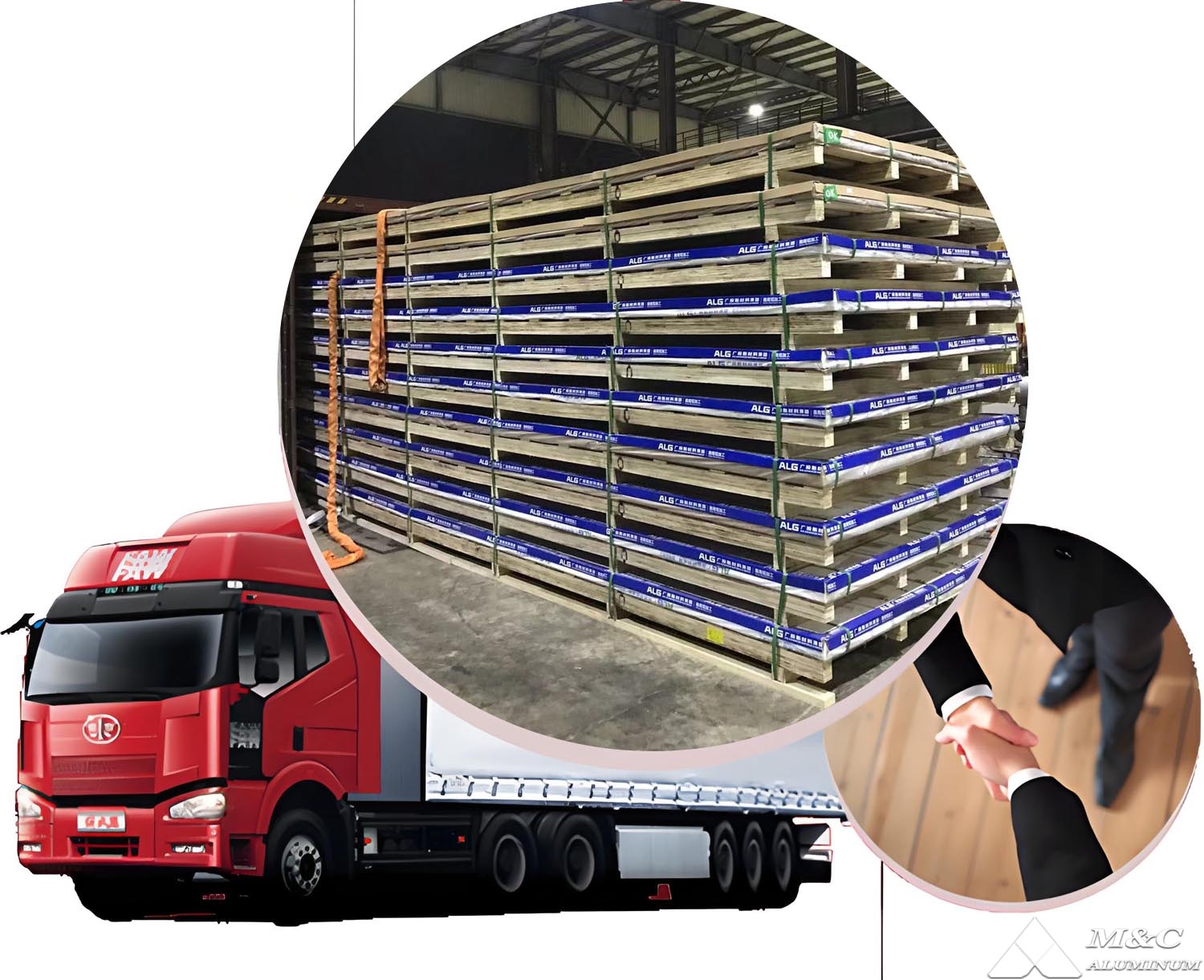
To protect material during export and storage, sheets and plates can be packed with interleaving paper or film, protective wrapping, moisture-resistant outer packaging, edge protection, and reinforced pallets or wooden supports. Large plates are secured to reduce movement during container loading and ocean transportation.
Each production lot can be identified by alloy, temper, dimensions, batch number, and inspection documentation. This traceability supports incoming inspection, fabrication record control, and project quality management at the shipyard.
How to Specify 5083 H321 Sheet Correctly
When requesting a quotation from our factory, provide the following information so that we can confirm the correct production route and commercial offer:
Alloy and temper: 5083 H321.
Required standard: ASTM B928/B928M, EN standard, or project specification.
Thickness, width, and length.
Quantity per size and total tonnage.
Required tolerances for thickness, flatness, and dimensions.
Surface condition and any protective film requirement.
Testing requirements, including ultrasonic testing if applicable.
Certificate requirement, such as EN 10204 3.1.
Packing method, destination port, and shipment terms.
Conclusion
5083 H321 aluminum sheet is a practical material choice for marine hulls that require low weight, seawater corrosion resistance, weldability, and dependable structural performance. As a marine aluminum sheet manufacturer, we control alloy chemistry, rolling, temper processing, inspection, packaging, and documentation to support demanding shipbuilding projects. By confirming the correct thickness, standard, surface requirement, and certification level before production, shipyards can obtain 5083 H321 marine aluminum plate suited to efficient fabrication and long-term vessel service.
Contact Us