
Aluminum Strip Armored Cable Vs. Steel Tape Armored Cable
As a factory producing precision aluminum strip for cable armoring, we frequently receive engineering inquiries comparing aluminum strip armored cable with steel tape armored cable. Both structures are designed to improve cable protection, but their performance is not identical. The correct choice depends on the installation environment, electrical system, mechanical load, corrosion risk, and total project cost.
In cable construction, metallic armor is not only a protective layer. It affects cable weight, bending performance, induced loss, grounding design, long-term durability, and installation efficiency. For this reason, the selection of aluminum strip armor or steel tape armor should be based on measurable parameters rather than habit or price alone.
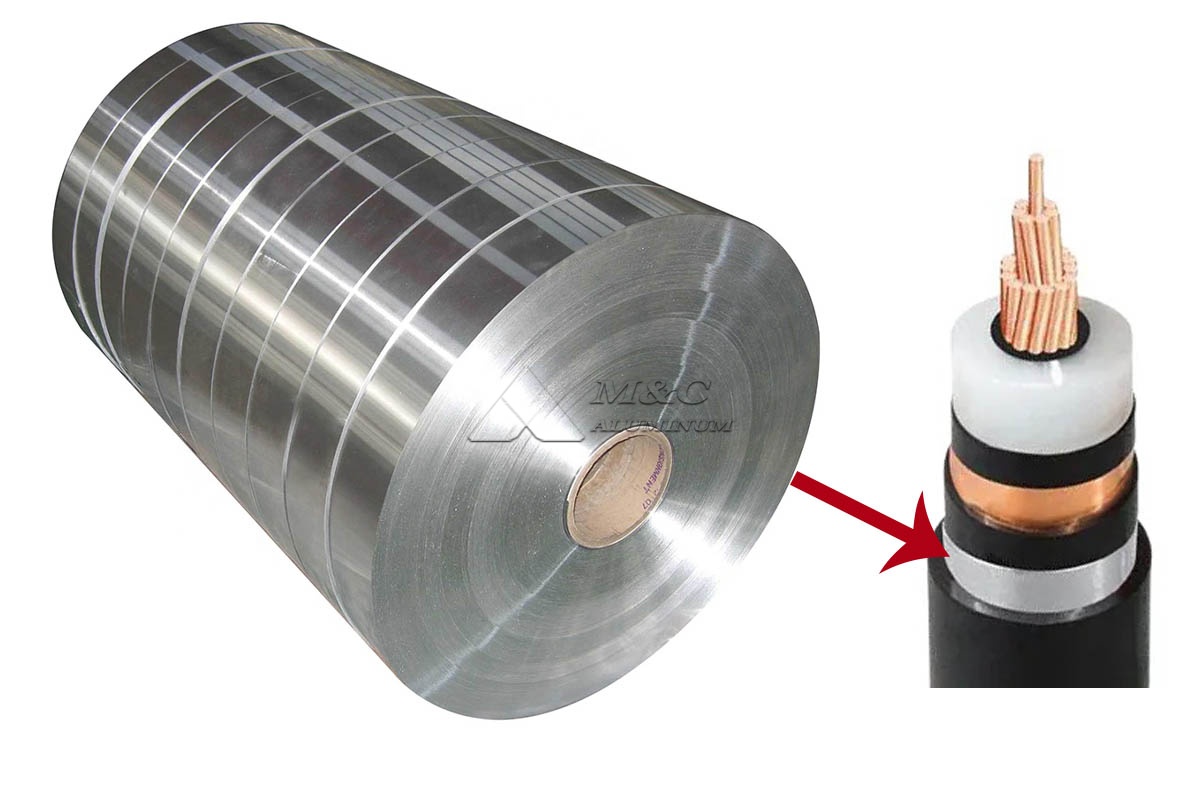
What Is Aluminum Strip Armored Cable?
Aluminum strip armored cable uses aluminum tape or aluminum strip as the metallic armor layer. The strip is applied helically, longitudinally, or in an interlocked form, depending on the cable design and the required standard. In many medium and low voltage power cables, aluminum strip provides a balanced combination of mechanical protection, low weight, corrosion resistance, and non-magnetic performance.
From a manufacturing perspective, the aluminum strip used for armoring must have stable thickness, accurate width, clean edges, uniform temper, and reliable surface quality. Burrs, waviness, oil stains, or inconsistent hardness can affect cable production efficiency and may damage insulation or sheath layers during the armoring process.
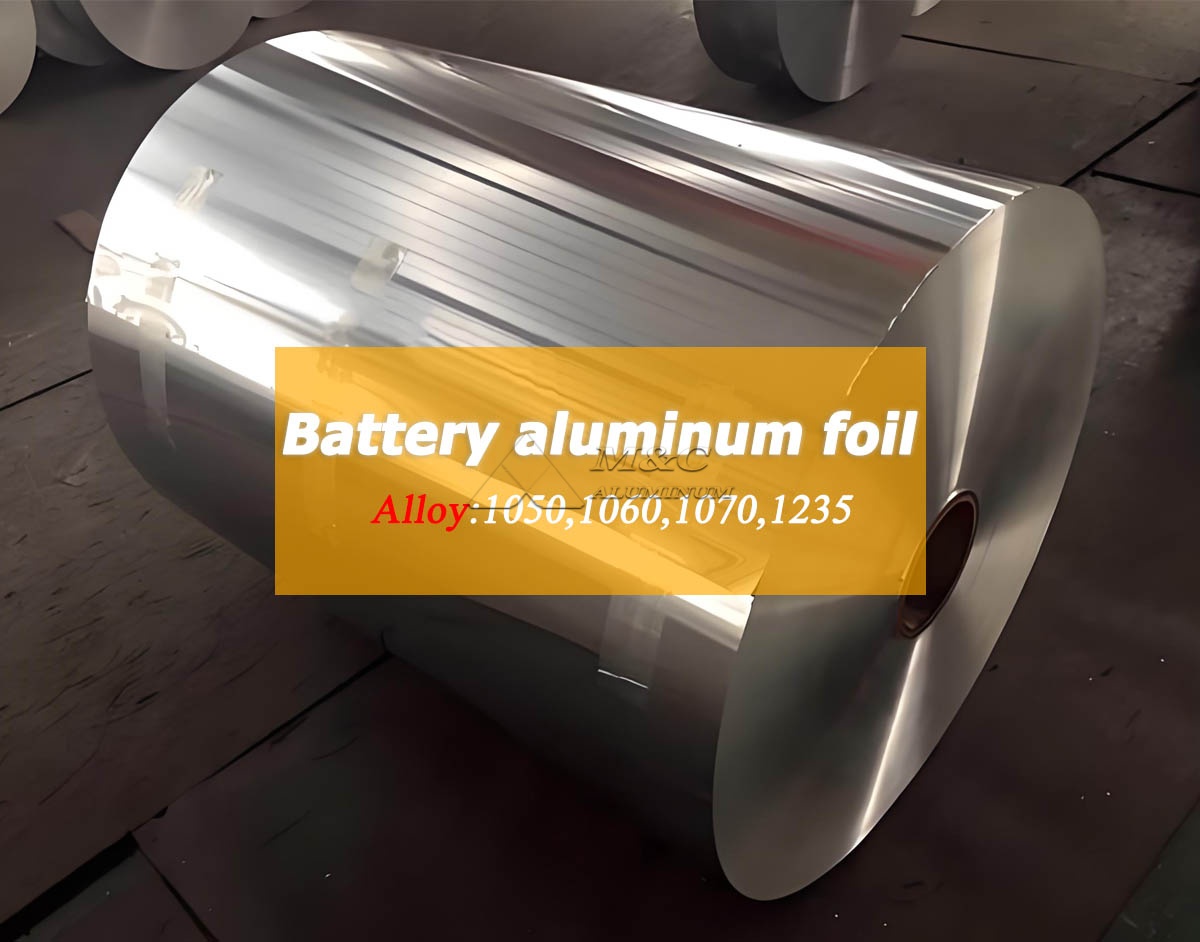
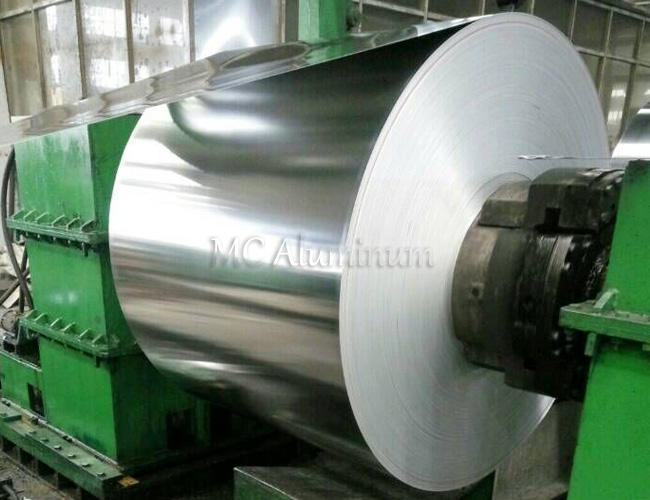
Our factory supplies Aluminum Strip for cable manufacturers in coils with controlled dimensional tolerance, surface finish, and mechanical properties. Common alloy choices include 1050, 1060, 1100, 3003, and other grades selected according to strength, formability, and corrosion requirements.
What Is Steel Tape Armored Cable?
Steel tape armored cable uses galvanized steel tape, stainless steel tape, or other steel-based armoring material. It is widely used in underground power distribution, industrial wiring, and installations requiring high compressive resistance. Steel tape has higher hardness and tensile strength than common aluminum strip, so it can offer strong mechanical protection in harsh conditions.
However, steel is heavier and magnetic. In AC cable systems, especially single-core cables, magnetic steel armor can produce additional losses and heating if it is not correctly designed. Steel tape also requires effective galvanizing, coating, or sheath protection to reduce corrosion risk in damp, acidic, alkaline, or coastal environments.
Steel tape armored cable remains a practical solution where impact resistance and crushing resistance are the main requirements. But for projects requiring lower weight, corrosion resistance, and non-magnetic behavior, aluminum strip armored cable is often technically advantageous.
Key Technical Comparison
The table below summarizes typical differences between aluminum strip armor and steel tape armor. Actual values depend on alloy, temper, coating, cable standard, and cable structure.
| Parameter | Aluminum Strip Armor | Steel Tape Armor | Engineering Note |
|---|---|---|---|
| Typical material density | About 2.70 g/cm3 | About 7.85 g/cm3 | Aluminum reduces cable weight significantly. |
| Magnetic behavior | Non-magnetic | Magnetic, except certain stainless grades | Aluminum is preferred for many single-core AC cables. |
| Corrosion resistance | Good natural oxide protection | Depends on galvanizing or coating | Aluminum performs well in humid and coastal conditions. |
| Mechanical strength | Moderate to good | High | Steel offers stronger crush and impact protection. |
| Formability | Excellent | Moderate | Aluminum strip is easier to form around the cable core. |
| Installation handling | Easier due to lower weight | Heavier and more labor-intensive | Important for long cable runs and vertical installations. |
| Electrical conductivity | High | Lower than aluminum | Aluminum armor can assist bonding and screening designs. |
| Typical thickness range | 0.20 to 0.80 mm | 0.20 to 0.80 mm | Thickness is selected by cable size and standard. |
| Typical width range | 10 to 60 mm or customized | 10 to 60 mm or customized | Width affects overlap, coverage, and armoring speed. |
| Cost behavior | Material price varies with aluminum market | Often lower raw material cost | Installed cost may favor aluminum when weight matters. |
| Recyclability | High | High | Both are recyclable, but separation design matters. |
Weight Difference and Installation Efficiency
The most direct difference between aluminum strip armored cable and steel tape armored cable is weight. Aluminum has about one third the density of steel. When the same armor geometry is used, aluminum strip can greatly reduce the total cable mass.
This weight reduction provides several practical benefits. Cable drums can be easier to transport and handle. Pulling tension during installation can be reduced. Workers can manage the cable more efficiently in tunnels, trays, high-rise buildings, offshore platforms, and industrial plants. In vertical cable runs, the lower self-weight may also reduce stress on support systems.
For long-distance installations, the weight difference may influence the design of cable trays, brackets, clamps, pulling equipment, and logistics planning. Although steel tape may have a lower raw material cost in some markets, the total installed cost should include handling, transportation, installation speed, and support structure requirements.
Magnetic Loss and Single-Core Cable Applications
Magnetic behavior is one of the most important technical differences. Aluminum strip is non-magnetic, while ordinary steel tape is magnetic. In multi-core cables, magnetic effects may be less severe because the phase currents are arranged within the same cable structure. In single-core AC cables, however, magnetic steel armor can create circulating currents, eddy current loss, and additional heating.
For this reason, many engineers prefer aluminum tape armor or non-magnetic armor for single-core AC power cables. Aluminum strip helps reduce armor-related losses and supports more stable thermal performance. This can be relevant in medium voltage and high current systems where heat dissipation and current-carrying capacity are critical.
Steel tape armor can still be used in many cable constructions, but the design must consider bonding methods, phase arrangement, magnetic losses, and applicable standards. When electrical efficiency and thermal control are priorities, aluminum strip armored cable is often the more suitable option.
Corrosion Resistance in Outdoor and Underground Conditions
Cable armor is usually covered by an outer sheath, but moisture, soil chemicals, salt spray, and mechanical damage can still create corrosion risk over time. Aluminum naturally forms a dense oxide layer on its surface, which improves resistance to many atmospheric and humid environments. This is one reason aluminum strip for armored cables is widely considered in coastal projects, infrastructure networks, renewable energy systems, and transportation facilities.
Steel tape typically depends on zinc galvanizing, paint, or polymer protection. If the protective layer is damaged, corrosion may develop more quickly, especially in wet or chemically aggressive environments. Stainless steel tape can improve corrosion resistance but usually increases cost.
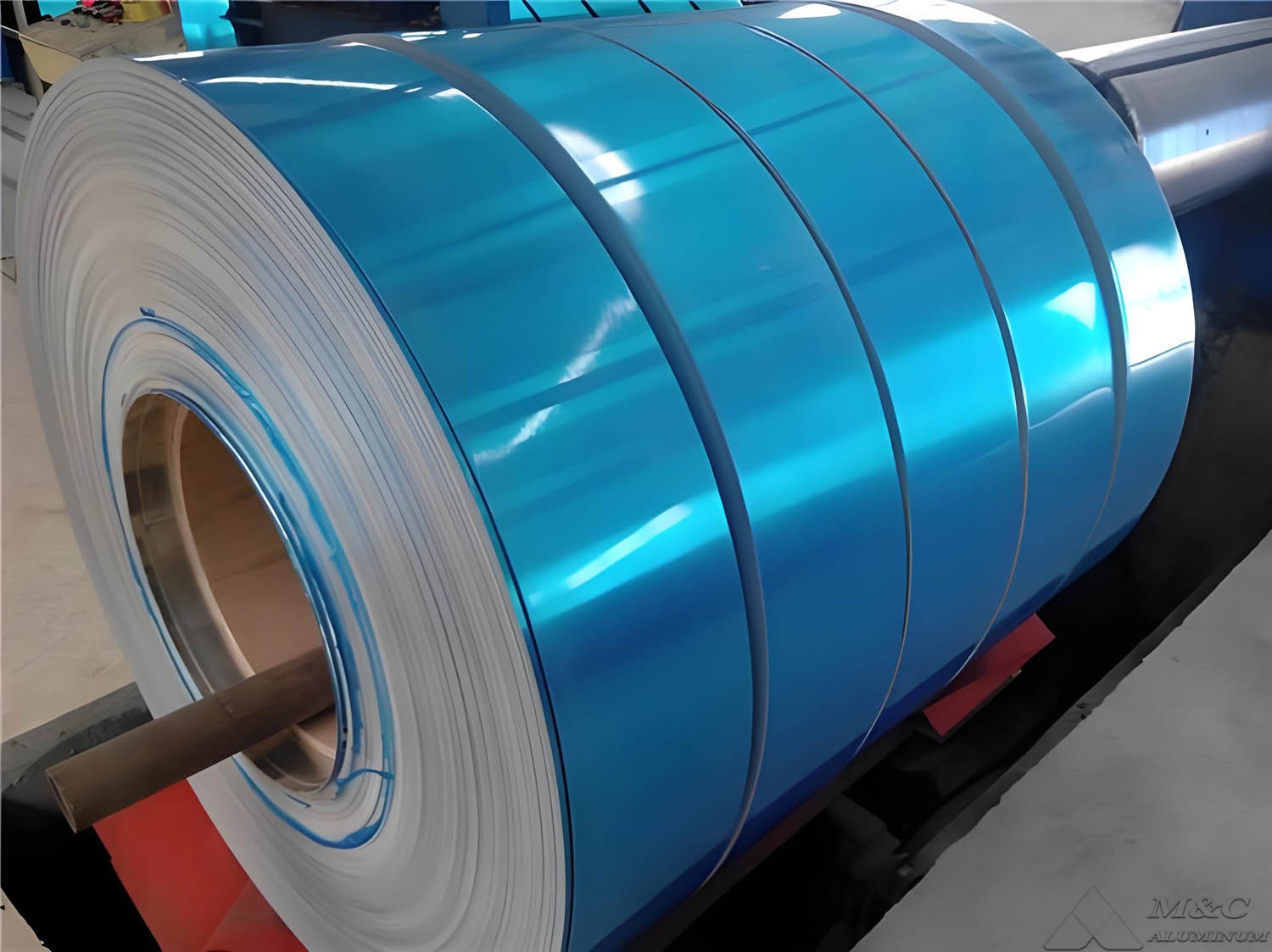
For demanding installations, coated aluminum strip can be selected to improve bonding, moisture resistance, or compatibility with sheath materials. As a manufacturer, we control surface cleanliness, coating uniformity, and coil winding quality to support stable cable production.
Mechanical Protection and Impact Resistance
Steel tape armored cable has a clear advantage in high mechanical load conditions. Steel has higher tensile strength, hardness, and deformation resistance than standard soft aluminum alloys. For direct burial in areas with heavy external pressure, sharp stones, construction activity, or industrial impact risk, steel tape can provide strong protection.
Aluminum strip armored cable provides moderate mechanical protection and excellent flexibility. It is suitable for many environments where the cable needs protection from normal handling, bending, abrasion, rodents in some designs, and general installation stress. When additional mechanical strength is required, engineers can increase strip thickness, optimize overlap, use interlocked armor, or specify a stronger aluminum alloy and temper.
The final decision should be based on the expected external forces. If the installation faces severe crushing loads, steel tape may be appropriate. If the installation requires a lighter, non-magnetic, corrosion-resistant armor with good forming performance, aluminum strip is often preferred.
Typical Aluminum Strip Specifications for Cable Armoring
The following parameters are commonly requested by cable factories. These values are indicative and can be adjusted according to cable design, armoring equipment, and project standards.
| Item | Typical Specification |
|---|---|
| Alloy | 1050, 1060, 1100, 3003, customized alloy available |
| Temper | O, H12, H14, H16, H18, according to forming requirement |
| Thickness | 0.20 mm to 0.80 mm, customized on request |
| Width | 10 mm to 60 mm, slit according to cable design |
| Surface | Mill finish, cleaned surface, coated surface available |
| Edge condition | Slit edge, deburred edge, round edge on request |
| Coil ID | 150 mm, 300 mm, 405 mm, 500 mm, or customized |
| Coil weight | According to width, thickness, and customer equipment |
| Packaging | Moisture-proof wrapping, wooden pallet, export seaworthy packing |
| Applicable references | ASTM B209, EN 485, IEC cable design requirements as applicable |
For customers requiring higher strength and better formability balance, 3003 Aluminium strip is often considered because the manganese addition improves strength compared with commercially pure aluminum while maintaining good corrosion resistance and processing performance.
Manufacturing Control Points for Aluminum Armoring Strip
A stable cable armoring process depends on strip quality. Our production control focuses on the following points:
Thickness tolerance. Uniform thickness helps maintain constant armor coverage and predictable cable diameter.
Width accuracy. Accurate slitting supports consistent overlap and reduces adjustment time on armoring machines.
Edge quality. Smooth edges reduce the risk of cutting insulation, bedding, or sheath layers.
Temper stability. Proper hardness prevents cracking during forming while maintaining sufficient mechanical strength.
Surface cleanliness. Low oil residue and clean surfaces improve compatibility with downstream coating or sheathing processes.
Coil winding. Tight and even coils reduce telescoping, edge damage, and unwinding interruption during cable production.
These controls are important because cable factories operate continuous production lines. A small defect in strip quality can cause downtime, cable scrap, or sheath damage. Therefore, cable armoring strip should be specified not only by alloy and thickness, but also by edge condition, coil structure, tolerance, and packaging method.
Selection Guidance: Aluminum Strip or Steel Tape?
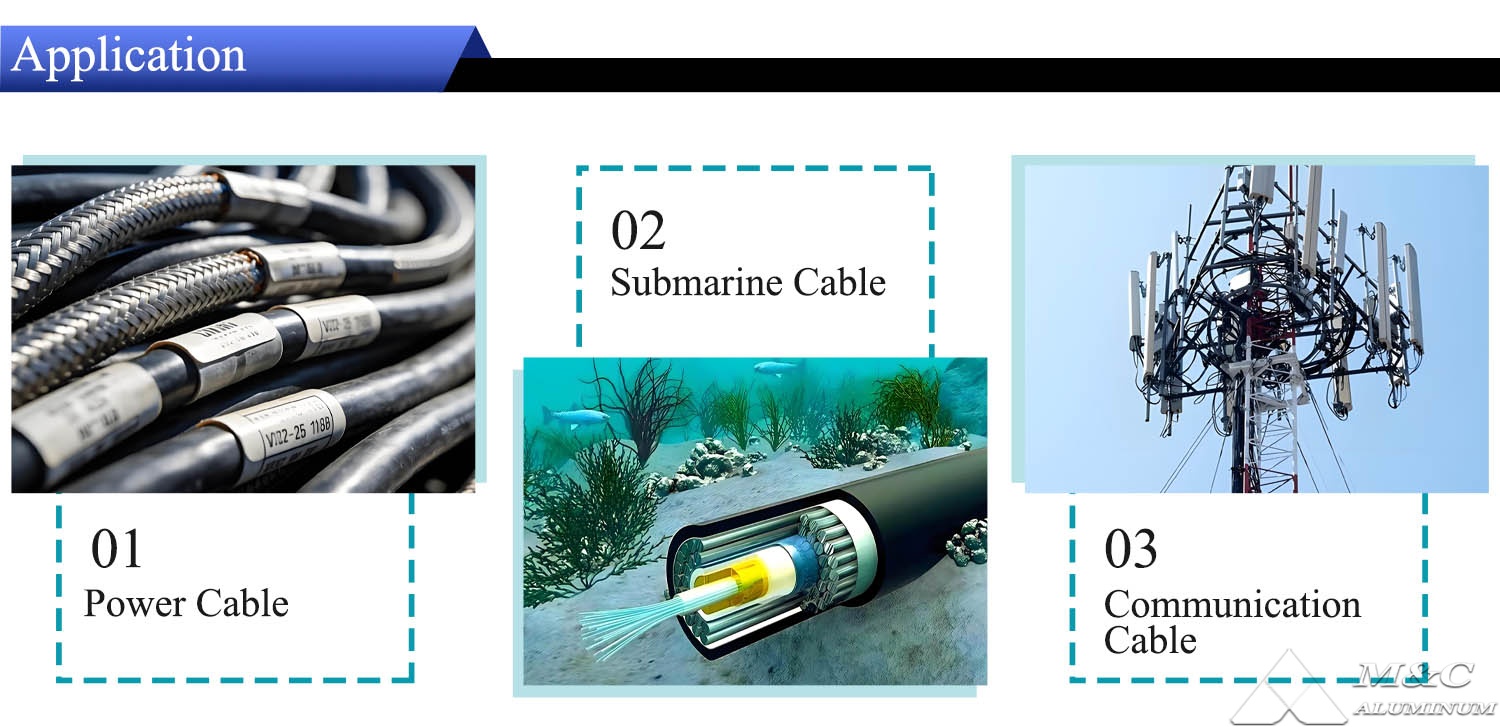
Aluminum strip armored cable is generally recommended when the project requires low weight, non-magnetic performance, corrosion resistance, easy installation, and good bending behavior. It is especially suitable for single-core AC cables, offshore and coastal projects, renewable energy installations, transportation systems, and long cable routes where handling efficiency matters.
Steel tape armored cable is generally selected when high crush resistance, high impact resistance, and strong mechanical protection are the primary concerns. It is commonly used for direct burial, industrial sites, and installations where external mechanical damage risk is high.
In some projects, the most suitable solution may not be decided by one factor alone. Engineers should evaluate current rating, cable voltage, burial depth, soil condition, sheath material, bonding method, installation route, support structure, and expected service life. Our factory can provide aluminum strip samples, coil specifications, and production data to help cable manufacturers validate performance on their armoring lines.
Conclusion
Aluminum strip armored cable and steel tape armored cable serve the same general purpose, but they are designed for different priorities. Steel tape provides higher mechanical strength and is suitable for severe impact or crushing conditions. Aluminum strip provides lower weight, non-magnetic behavior, good corrosion resistance, and easier processing, making it a strong choice for many modern power cable applications.
As an aluminum strip manufacturer, our focus is to supply consistent armoring strip that supports stable cable production and reliable end-use performance. By selecting the correct alloy, temper, thickness, width, surface condition, and edge quality, cable manufacturers can achieve a practical balance between protection, installation efficiency, electrical performance, and long-term durability.
Contact Us