
Best Aluminum Alloy For Saltwater Environments
Saltwater service creates one of the most demanding corrosion conditions for metal components. Chloride ions, continuous wet-dry cycles, marine deposits, elevated temperatures, and contact with dissimilar metals can accelerate localized corrosion. For this reason, selecting the best aluminum alloy for saltwater environments requires more than choosing a material with high strength. The alloy chemistry, temper, fabrication method, welding design, surface condition, and installation details must all be considered.
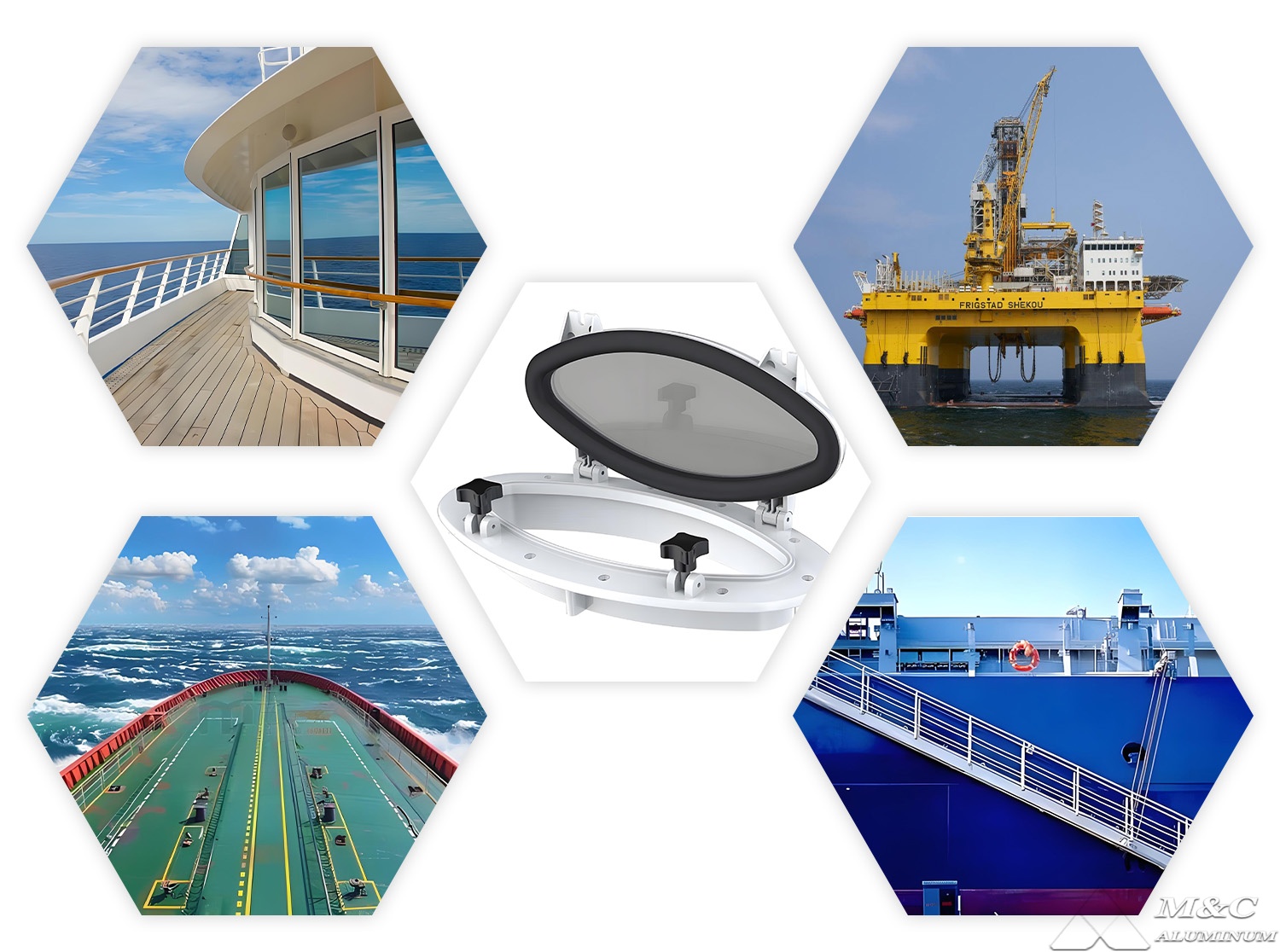
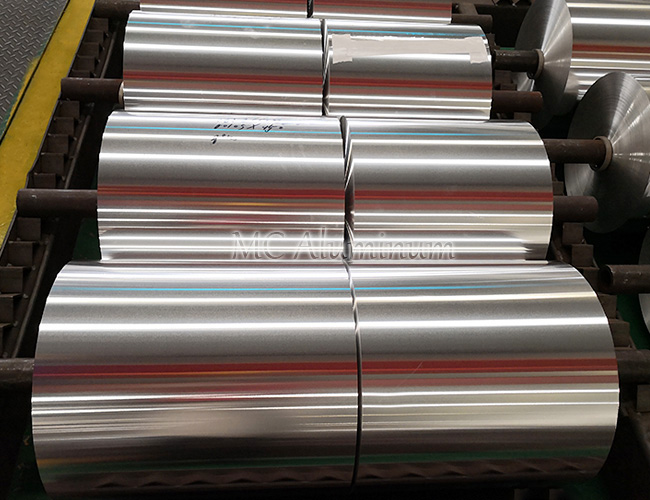
As a manufacturer of marine grade aluminum sheet and plate, we produce 5xxx series aluminum alloys specifically suited to seawater exposure. In most marine fabrication projects, 5083 and 5086 are the preferred choices for high-strength structural applications, while 5052 is widely selected for lighter-duty sheet metal parts, tanks, covers, and formed components. These aluminum-magnesium alloys provide significantly better saltwater corrosion resistance than heat-treatable 2xxx and 7xxx aluminum alloys.
Why Saltwater Is Aggressive to Aluminum
Aluminum naturally forms a thin and adherent oxide film when exposed to air. This film gives aluminum good general corrosion resistance. However, seawater contains chlorides that can damage the oxide layer locally, especially where water becomes trapped in crevices, where deposits accumulate, or where aluminum contacts more noble metals such as stainless steel, copper alloys, or carbon steel.
A suitable marine aluminum alloy must resist several common degradation mechanisms:
Pitting corrosion: Localized attack caused by chloride-containing water and deposits.
Crevice corrosion: Corrosion inside lap joints, under gaskets, beneath fasteners, or in stagnant water zones.
Galvanic corrosion: Accelerated aluminum corrosion caused by electrical contact with dissimilar metals in an electrolyte.
Intergranular corrosion: Preferential attack along grain boundaries in improperly processed material.
Stress corrosion cracking: Cracking under tensile stress and corrosive exposure, particularly relevant to certain high-strength alloys.
The best material choice is therefore not simply the alloy with the highest tensile strength. For marine structures, corrosion resistance and weld-zone performance are often the primary factors controlling service life.
Best Aluminum Alloys for Saltwater Applications
The 5xxx series, based on aluminum-magnesium chemistry, is the established material family for marine aluminum plate, hull structures, offshore equipment, gangways, tanks, and dock components. Magnesium improves strength while maintaining excellent resistance to seawater corrosion.
| Alloy | Main Alloying Element | Saltwater Corrosion Resistance | Relative Strength | Typical Marine Uses |
|---|---|---|---|---|
| 5052 | Magnesium | Excellent | Medium | Fuel tanks, cabinets, covers, formed sheet parts |
| 5083 | Magnesium, manganese | Excellent | High | Hulls, decks, ship structures, offshore platforms |
| 5086 | Magnesium, manganese | Excellent | High | Welded hulls, vessels, transportation and marine structures |
| 5754 | Magnesium | Very good | Medium | Flooring, panels, tanks, general marine fabrication |
| 6061 | Magnesium, silicon | Moderate with protection | High | Machined fittings, frames, non-immersed components |
5083 Aluminum: Best for High-Strength Marine Structures
For demanding structural service in seawater, 5083 aluminum sheet is generally considered one of the best aluminum alloys for saltwater environments. It combines high magnesium content with manganese and chromium additions, producing high strength, excellent weldability, and superior corrosion resistance in marine atmospheres and seawater exposure.
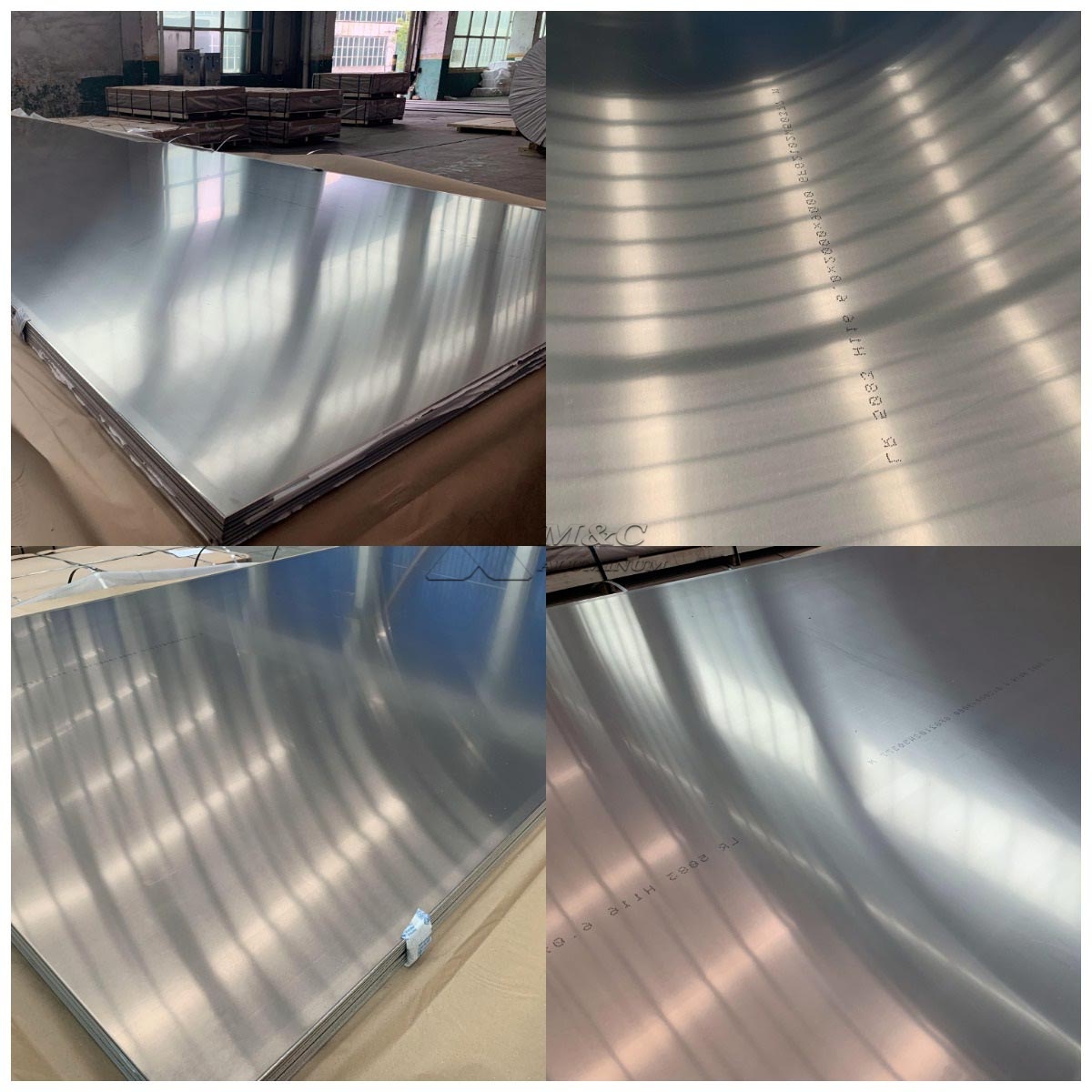
We manufacture 5083 marine aluminum plate in tempers such as H111, H116, and H321. H116 and H321 are particularly important for long-term marine use because they are processed to improve resistance to exfoliation and intergranular corrosion. These tempers are frequently specified for shipbuilding, high-speed vessels, fishing boats, LNG-related structures, deck assemblies, pressure vessels, and offshore platforms.
Typical mechanical properties of 5083-H116 vary by thickness and applicable standard, but the alloy provides an excellent strength-to-weight ratio. It also retains good toughness at low temperatures, making it suitable for both marine and cryogenic fabrication.
5083 Aluminum sheet is commonly selected when structural strength, welded performance, and seawater durability must be balanced in one material.
5086 Aluminum: Best for Welded Marine Fabrication
5086 is another leading marine grade aluminum alloy. Like 5083, it is a non-heat-treatable aluminum-magnesium alloy with strong saltwater corrosion resistance. It is extensively used in welded structures because its properties remain dependable after welding and because it has excellent resistance to marine atmospheres.
Compared with 5083, 5086 may be preferred for specific vessel construction, fabricated tanks, workboats, patrol boats, and transportation structures where the design standard or established fabrication practice calls for this grade. Both alloys are highly suitable for seawater applications, and the final selection should consider required strength, sheet or plate thickness, temper, forming requirements, and classification society specifications.
For buyers requiring reliable plate for welded saltwater service, our 5086 Aluminium Alloy Plate is supplied with controlled chemical composition, stable mechanical properties, and surface quality suitable for fabrication.
5052 Aluminum: Best for Formed Marine Sheet Parts
5052 aluminum sheet is one of the most practical options for marine sheet metal applications. Its corrosion resistance in saltwater is excellent, and it has better formability than 5083 or 5086. This makes it suitable for bent, stamped, rolled, and drawn components.
We recommend 5052 for applications such as fuel tanks, water tanks, protective enclosures, instrument cabinets, splash guards, interior marine panels, boat trim, small covers, and non-primary structural sheet components. It is not normally the first choice for heavily loaded hull structures because its strength is lower than 5083 and 5086. However, for medium-strength applications requiring economical fabrication and dependable seawater resistance, 5052 remains an effective choice.
5754 Aluminum: A Balanced Option for Panels and Flooring
5754 aluminum is also a corrosion-resistant aluminum-magnesium alloy with good formability and moderate strength. It is often used for marine flooring, vehicle bodies, storage tanks, walkways, and panels exposed to humid or coastal conditions. Although 5754 performs well in marine atmospheres, 5083 and 5086 are usually more suitable for highly stressed structures or continuous seawater immersion.
Technical Comparison of Marine Aluminum Alloys
The following values are representative ranges for commonly supplied tempers. Actual properties depend on thickness, temper, test direction, and the governing material standard.
| Property | 5052-H32 | 5754-H111 | 5083-H116 | 5086-H116 |
|---|---|---|---|---|
| Tensile strength, MPa | 210-260 | 190-240 | 275-350 | 275-350 |
| Yield strength, MPa | 160-215 | 80-150 | 125-240 | 125-240 |
| Elongation, percent | 10-18 | 12-20 | 10-16 | 10-16 |
| Density, g/cm3 | 2.68 | 2.66 | 2.66 | 2.66 |
| Weldability | Excellent | Excellent | Excellent | Excellent |
| Formability | Excellent | Very good | Good | Good |
| Resistance to seawater | Excellent | Very good | Excellent | Excellent |
| Common product forms | Sheet, coil | Sheet, plate | Plate, sheet | Plate, sheet |
Why 2xxx and 7xxx Alloys Are Usually Not Recommended
High-strength 2xxx and 7xxx aluminum alloys can be suitable for aerospace or specialized engineering components, but they are generally not the best choice for unprotected saltwater exposure. Copper-containing 2xxx alloys, including 2024, have lower corrosion resistance and normally require protective cladding, coating, or sealing. Many high-strength 7xxx alloys can also be susceptible to stress corrosion cracking in severe environments.
Similarly, 6061 aluminum has useful strength and good machinability, but it does not provide the same level of corrosion resistance as 5xxx marine alloys in direct or continuous seawater service. It is often suitable for brackets, rails, machined fittings, and dry or intermittently exposed structures when proper isolation and finishing are applied. For hull plating, immersed structures, and extensively welded seawater equipment, 5083 or 5086 is normally the more reliable selection.
Temper Selection for Saltwater Service
The temper is as important as the alloy designation. Marine aluminum plate should be selected in accordance with thickness, forming requirements, structural loads, and corrosion exposure.
| Temper | Characteristics | Recommended Saltwater Applications |
|---|---|---|
| H111 | Light strain hardened, good workability | General fabrication, formed marine parts |
| H112 | Produced from hot-worked material | Thick plate and structural components |
| H116 | Corrosion-resistant stabilized temper | Hull plate, deck plate, offshore structures |
| H321 | Stabilized strain-hardened temper | Marine vessels, welded structural plate |
| H32 | Strain hardened and stabilized | 5052 sheet, tanks, covers, formed parts |
For 5083 and 5086 materials intended for critical marine use, H116 and H321 are frequently specified because they support strong corrosion performance in chloride-bearing environments. We can produce and inspect materials according to relevant customer specifications, including thickness tolerances, mechanical properties, surface requirements, and third-party certification needs.
Fabrication and Installation Practices That Protect Aluminum
Even the best marine aluminum alloy can corrode prematurely if fabrication or installation is incorrect. Saltwater durability depends on both material quality and engineering practice.
First, avoid direct electrical contact between aluminum and copper, brass, uncoated steel, or stainless steel in wet conditions. Use insulating pads, sleeves, compatible sealants, coatings, or properly designed isolation systems. Second, avoid narrow crevices and unsealed lap joints where seawater can stagnate. Structures should be designed for drainage and cleaning.
Welding procedures also matter. For 5xxx series marine aluminum sheet and plate, compatible filler metals such as 5183, 5356, and 5556 may be selected based on the base alloy, service temperature, welding method, and applicable code. Weld zones should be cleaned carefully to remove contamination, moisture, and chloride-bearing residues.
Finally, surface preparation is essential. Our marine aluminum products are supplied with a clean, uniform surface appropriate for fabrication. Before coating, bonding, or welding, fabricators should remove oil, dirt, oxide debris, and foreign-metal particles. In highly exposed areas, anodizing, marine coatings, or protective paint systems may provide additional protection, although bare 5xxx aluminum performs well in many seawater applications.
How We Manufacture Marine Grade Aluminum Sheet and Plate
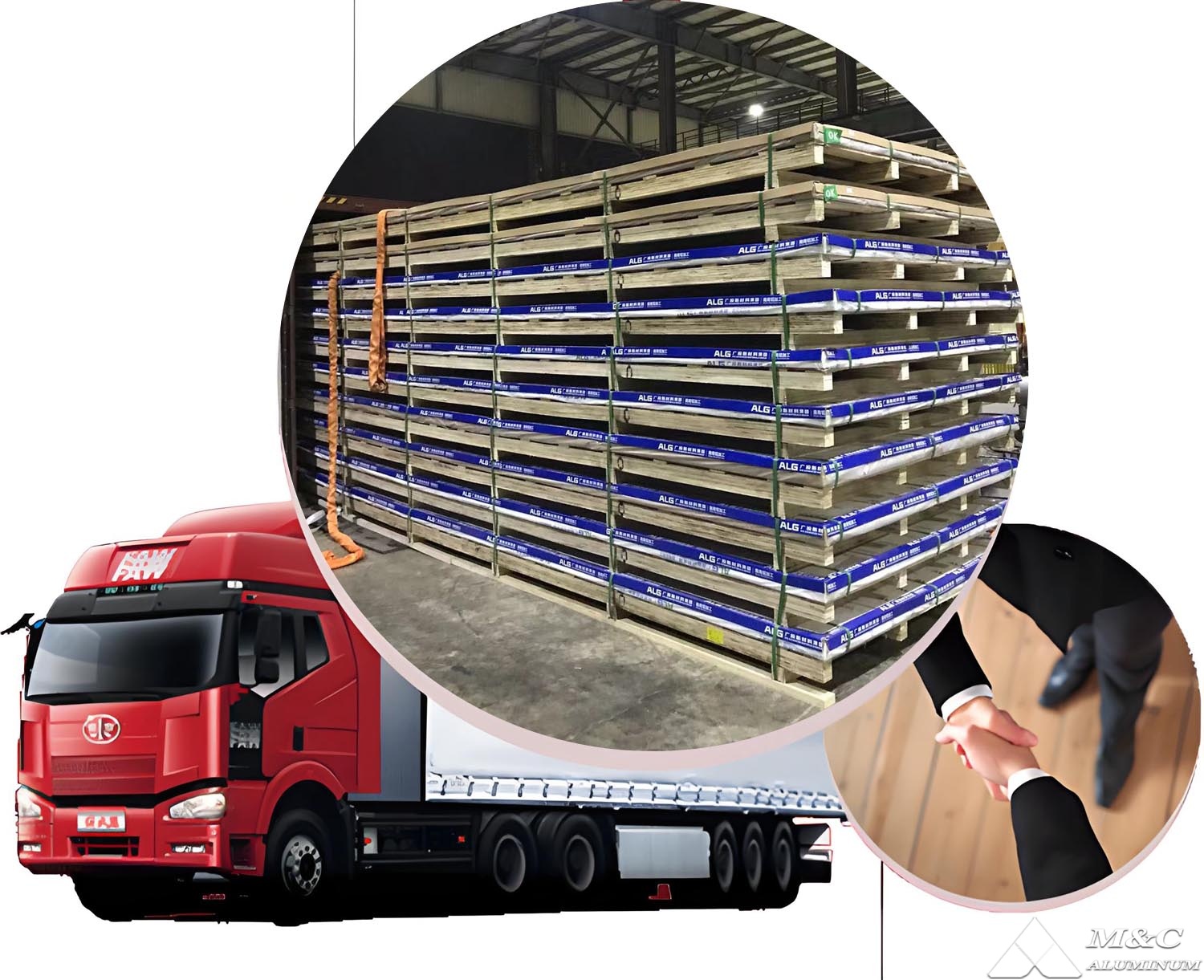
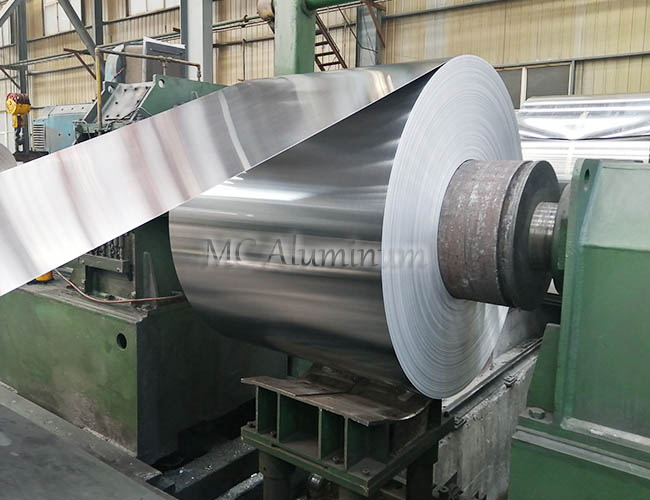
As an aluminum manufacturer, we control the production process from alloy melting and casting through hot rolling, cold rolling where required, heat treatment or stabilization, leveling, cutting, inspection, and export packing. The objective is to provide stable chemistry, consistent mechanical performance, dimensional accuracy, and a surface suitable for marine fabrication.
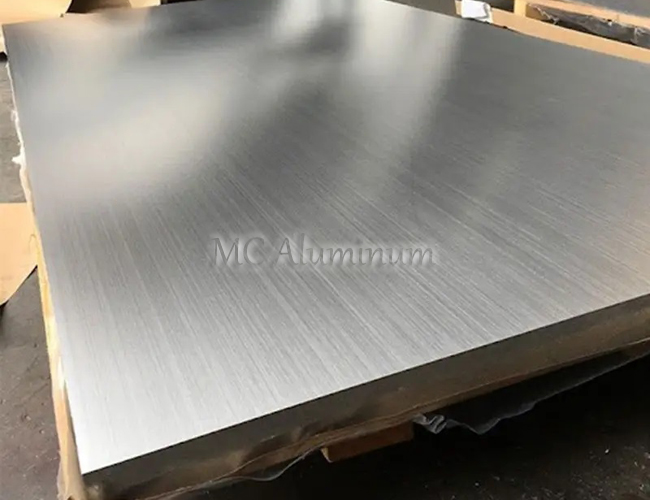
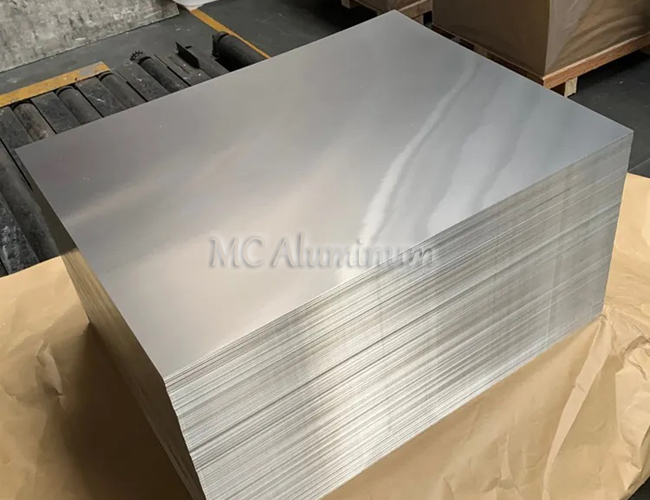
For marine aluminum plate, our quality control process can include chemical composition analysis, tensile testing, hardness verification, ultrasonic inspection when required, surface inspection, dimensional measurement, and documentation review. Plates can be supplied in standard mill sizes or cut-to-length formats for hull panels, decks, structural sections, and fabricated assemblies.
Conclusion
For most seawater-exposed structures, 5083 and 5086 are the best aluminum alloys for saltwater environments because they offer excellent corrosion resistance, strong welded performance, and high structural strength. 5052 is an excellent alternative for formed sheet metal parts, tanks, covers, and medium-strength marine components. 5754 provides a useful balance for panels, flooring, and general coastal fabrication.
The final alloy selection should be based on the actual exposure condition, loading level, thickness, temper, welding plan, and corrosion-control design. By selecting certified marine grade aluminum sheet or plate and applying sound fabrication practices, marine equipment can achieve long service life in demanding saltwater environments.
Contact Us