
1070 Battery Aluminum Foil
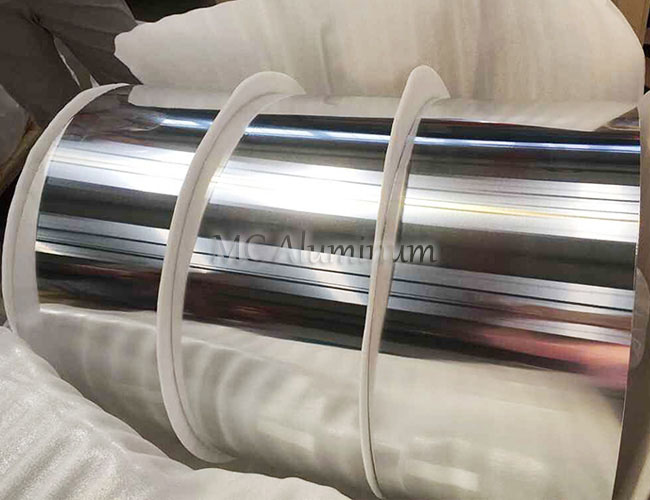
1070 battery aluminum foil is a high-purity aluminum material primarily used as a cathode current collector in lithium-ion batteries. As a manufacturer of aluminum sheet, aluminum coil, aluminum strip, and precision aluminum foil, we produce 1070 aluminum foil with controlled thickness, stable mechanical properties, clean surfaces, and consistent coil quality for battery electrode processing.
The performance of a battery current collector depends not only on alloy composition, but also on foil flatness, surface condition, edge quality, tensile properties, and winding stability. Our 1070 battery aluminum foil is manufactured through controlled melting, casting, rolling, annealing, slitting, inspection, and packaging processes to support downstream coating, calendaring, slitting, and cell assembly operations.
What Is 1070 Battery Aluminum Foil?
1070 aluminum is a commercially pure aluminum alloy with a minimum aluminum content of 99.7 percent. It offers high electrical conductivity, good corrosion resistance, low density, and excellent workability. For battery applications, 1070 aluminum foil is commonly used as the positive electrode current collector in lithium-ion cells.
Compared with general-purpose aluminum foil, battery aluminum foil requires tighter process control. The foil must provide a uniform substrate for active material coating while maintaining sufficient strength for high-speed coating and winding equipment. Surface defects, oil residue, pinholes, wrinkles, and unstable thickness can negatively affect electrode quality and production yield.
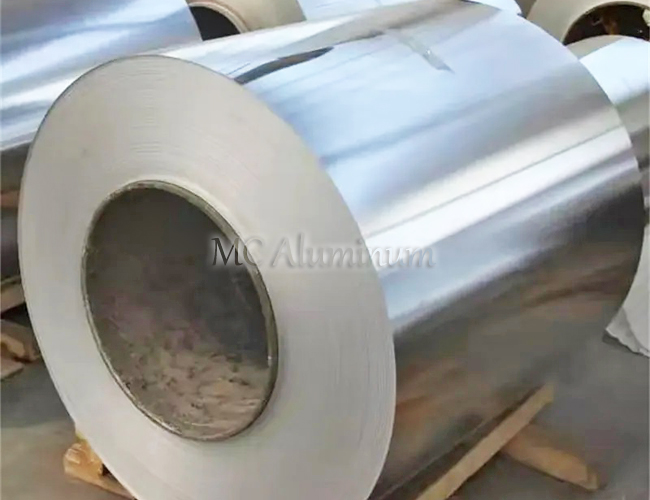
Our factory supplies 1070 battery aluminum foil in coil form for battery manufacturers, electrode producers, and energy storage material processors. Material specifications can be adjusted according to the electrode design, coating method, and processing equipment used by the customer.
Main Applications of 1070 Aluminum Foil in Batteries
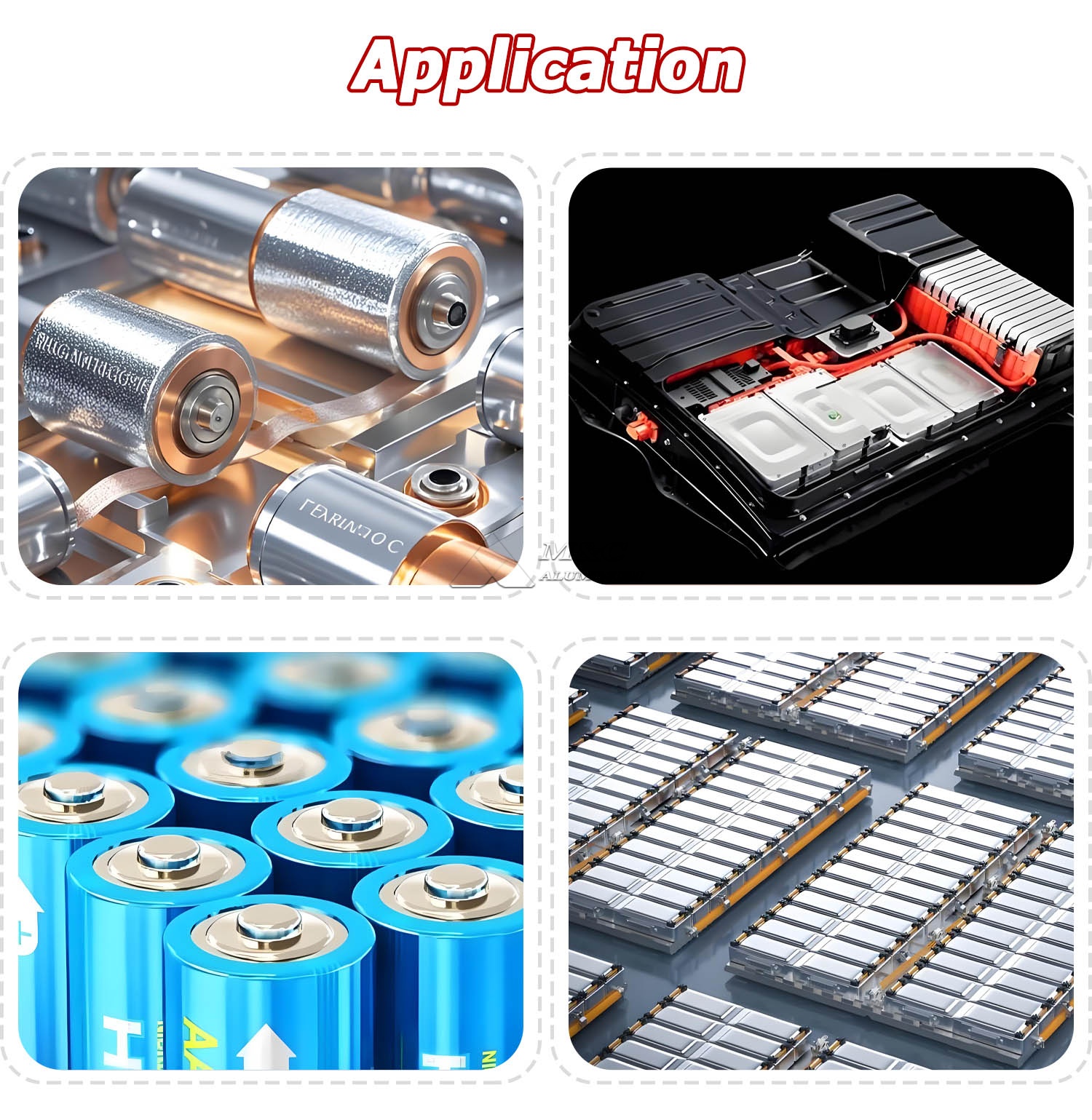
The primary application of 1070 battery aluminum foil is as a cathode current collector. In a lithium-ion battery, the aluminum foil provides an electrically conductive support for cathode active materials. It helps collect and transmit current between the cathode coating layer and the external circuit.
Typical applications include:
Lithium-ion power batteries for electric vehicles
Energy storage battery systems
Consumer electronics batteries
Lithium iron phosphate battery cells
Ternary lithium battery cells
Sodium-ion battery research and selected cathode structures
Supercapacitor electrode substrates
For cathode current collector applications, the foil must maintain reliable contact with the coating layer. Our production process focuses on stable gauge control and surface consistency to help customers achieve uniform coating weight and dependable electrode performance.
Technical Parameters of 1070 Battery Aluminum Foil
The following table presents common technical ranges for 1070 battery aluminum foil. Final specifications should be confirmed based on the battery design, active material system, coating process, and required downstream forming performance.
| Item | Typical Specification | Notes |
|---|---|---|
| Alloy | 1070 | Minimum aluminum content of 99.7 percent |
| Temper | O, H18, or customized | Selected according to coating and winding requirements |
| Thickness | 0.010 mm to 0.030 mm | Common battery foil gauges include 0.012 mm, 0.015 mm, and 0.020 mm |
| Thickness tolerance | Customized by thickness and width | Controlled through rolling and online measurement |
| Width | 100 mm to 1,700 mm | Slit width available according to customer requirements |
| Coil inner diameter | 150 mm, 300 mm, 505 mm, or customized | Compatible with customer unwinding equipment |
| Coil outer diameter | Customized | Determined by coil weight and handling requirements |
| Surface | Mill finish, degreased, or treated surface | Available for different coating systems |
| Tensile strength | Customized by temper | Verified according to agreed technical conditions |
| Elongation | Customized by temper | Important for winding and handling performance |
| Pinholes | Controlled according to thickness and agreement | Inspected during production and final quality control |
| Edge condition | Trimmed, smooth slit edge | Designed to reduce burr-related processing issues |
Manufacturing Process for Battery Aluminum Foil
As an aluminum foil manufacturer, we control each major production stage to maintain stable quality from molten metal to finished coil. The manufacturing route for 1070 battery aluminum foil generally includes raw material selection, melting, casting, hot rolling, cold rolling, intermediate annealing, final rolling, slitting, inspection, and packaging.
Alloy Preparation and Casting
We use controlled raw materials and melting practices to produce 1070 aluminum with stable chemical composition. The molten aluminum is filtered and cast into rolling stock. Consistent casting quality supports subsequent rolling performance and helps reduce risks associated with inclusions, segregation, and surface irregularities.
Rolling and Thickness Control
The cast material is processed through hot rolling and multiple cold rolling stages. During rolling, we monitor thickness, surface condition, flatness, and coil shape. Battery aluminum foil requires a narrow thickness range because coating weight and electrode capacity can be affected by variation in the current collector substrate.
Annealing and Mechanical Property Adjustment
Annealing is used to obtain the required temper and mechanical properties. Soft temper 1070 aluminum foil can provide improved formability, while harder tempers may offer different handling characteristics. We select and control annealing conditions based on the intended use of the foil and customer requirements.
Slitting, Edge Treatment, and Coil Winding
After final rolling, the foil is slit to the required width. Slitting quality is important for battery electrode production because uneven edges or burrs may affect coating, winding, and cell assembly. Our slitting process is designed to produce stable coil tension, clean edges, and orderly coil profiles.
Surface Quality Requirements for Battery Foil
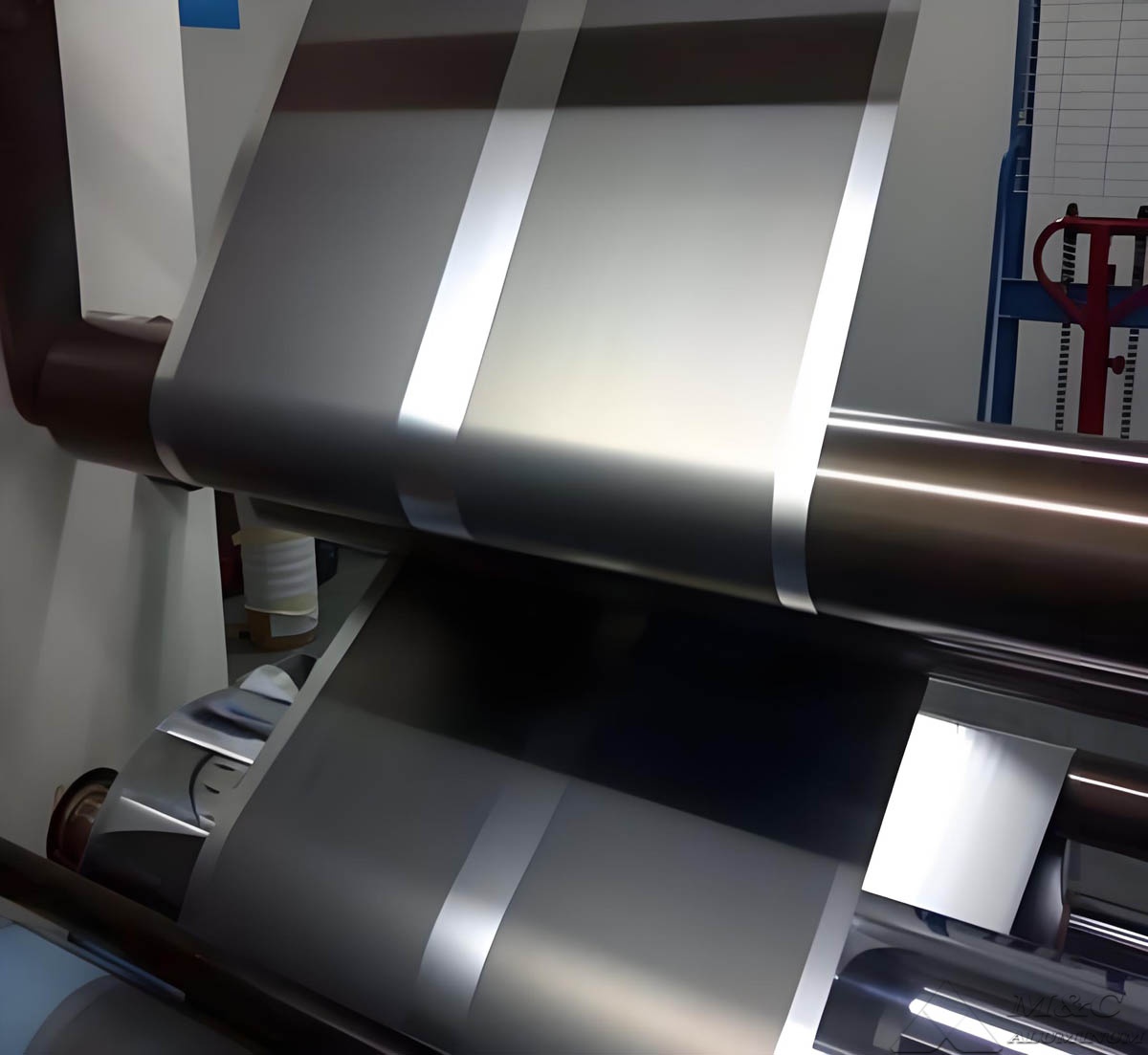
Surface quality is a critical factor for 1070 battery aluminum foil. The surface must support stable adhesion between the aluminum substrate and cathode coating. Excess rolling oil, dust, scratches, dents, oxidation marks, and wrinkles can influence coating uniformity and electrode reliability.
Our inspection procedures focus on the following surface and dimensional characteristics:
Uniform foil appearance across the coil length
Controlled rolling oil residue where specified
Clean surface suitable for electrode coating
Limited scratches, dents, and mechanical damage
Stable thickness and width
Smooth slit edges with controlled burr level
Good flatness and coil winding quality
Traceable coil identification and inspection records
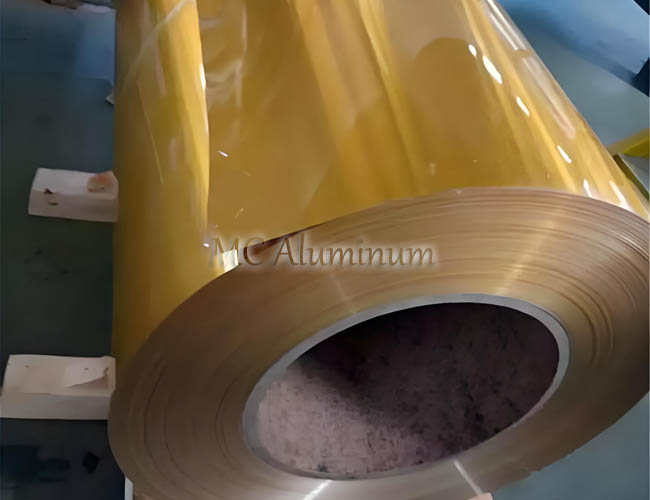
For customers using specialized binder systems or high-speed coating lines, we can discuss surface treatment requirements before production. Carbon-coated aluminum foil is also available for applications requiring enhanced contact performance and different electrode interface characteristics.
Why 1070 Aluminum Foil Is Used as a Cathode Current Collector
1070 aluminum foil combines high aluminum purity with favorable conductivity and processing properties. Its low density helps reduce battery weight, while its electrical conductivity enables efficient current collection on the cathode side. Aluminum also provides good resistance to the operating potential range generally associated with many lithium-ion cathode systems.
In addition, 1070 aluminum foil can be rolled to thin gauges while maintaining continuous coil production. This makes it suitable for large-scale electrode manufacturing, where stable unwinding, coating, drying, calendaring, and slitting are required.
The alloy selection should always be evaluated together with foil thickness, temper, coating process, active material chemistry, and battery cell design. Our technical team can support specification confirmation based on the required processing route rather than recommending a single standard configuration for every application.
Quality Control and Traceability
We implement quality control throughout the production process of 1070 battery aluminum foil. Incoming materials, rolling conditions, annealing parameters, slitting dimensions, coil appearance, and final packaging are checked according to applicable internal procedures and customer agreements.
Typical quality control items include chemical composition verification, thickness measurement, width measurement, tensile testing, elongation testing, surface inspection, pinhole inspection where required, coil shape inspection, and packing verification. Each finished coil can be identified with material information, dimensions, net weight, production batch, and inspection status for traceability.
For export orders, we provide documentation according to the agreed contract, such as commercial invoice, packing list, certificate of analysis, certificate of conformity, and material test data where applicable.
Packaging and Delivery of 1070 Battery Aluminum Foil
Battery aluminum foil is sensitive to moisture, dust, impact, and deformation during storage and transportation. We use protective packaging designed for coil products, including moisture-resistant wrapping, protective paper, edge protection, reinforced outer packaging, and palletized loading when required.
Coils are packed to reduce the risk of telescoping, edge damage, and surface contamination. Storage should be in a dry, clean, ventilated environment away from corrosive materials and excessive temperature variation. Before coating, customers should allow coils to reach the processing environment temperature to reduce condensation risk.
Request a 1070 Battery Aluminum Foil Specification
As a direct aluminum foil manufacturer, we supply 1070 battery aluminum foil based on customer-defined technical requirements. To prepare an accurate quotation and production proposal, please provide the required alloy, temper, thickness, width, coil inner diameter, coil weight, surface condition, mechanical property requirements, application, and estimated order quantity.
Our production team will evaluate the requested specification and confirm a suitable manufacturing plan for lithium-ion battery aluminum foil, cathode current collector foil, or related energy storage material applications.
Contact Us