
5083 H116 Marine-Grade Aluminum Plate Certified by a Classification Society
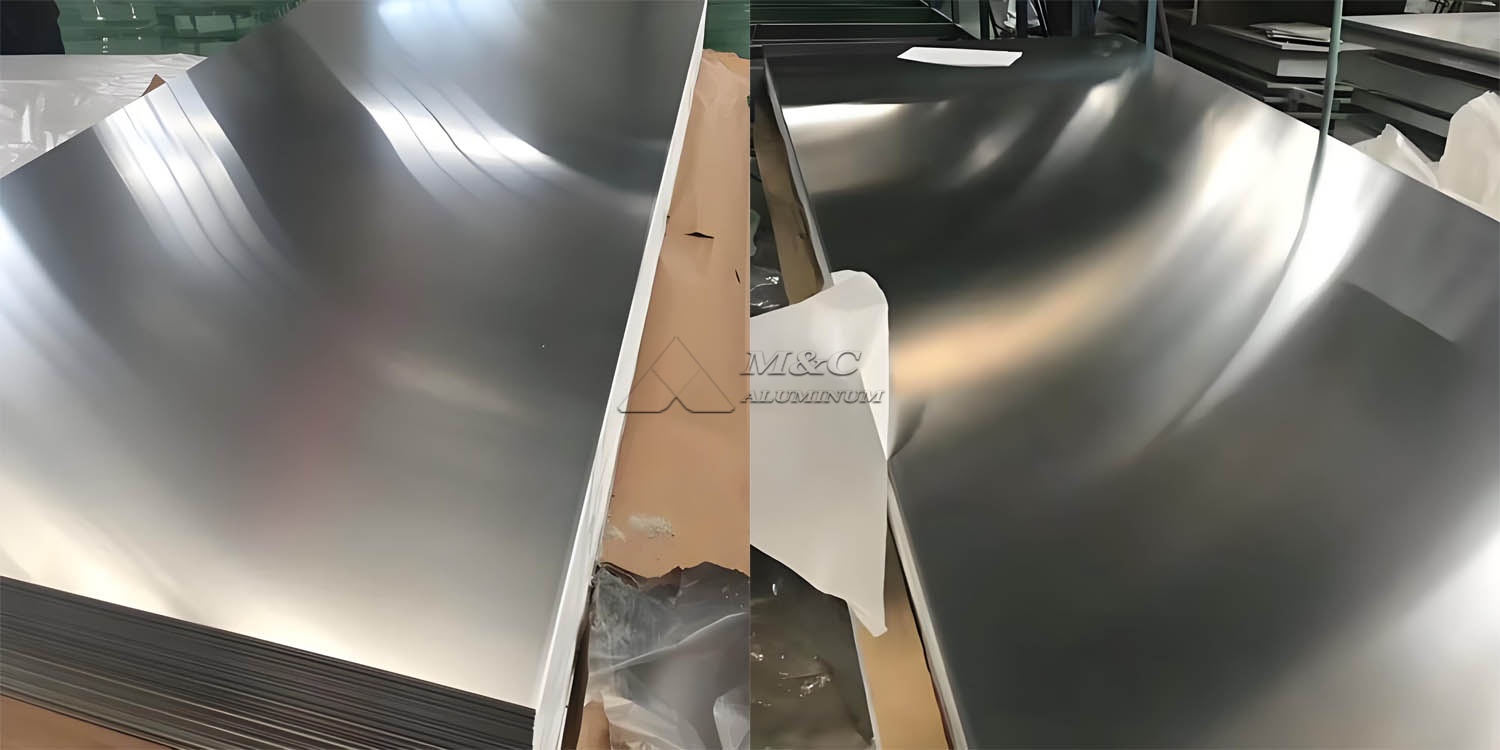
As a manufacturer of marine-grade aluminum plate, we produce 5083 H116 aluminum plate for shipbuilding, offshore engineering, and corrosion-critical structures exposed to seawater environments. This alloy and temper combination is widely specified for welded marine structures because it provides high strength, reliable resistance to seawater corrosion, and good fabrication performance.
Our 5083 H116 marine aluminum plate can be supplied with certification from recognized classification societies according to project requirements. We control the production route from raw material selection and casting through hot rolling, heat treatment, inspection, and final documentation. This integrated manufacturing approach enables us to maintain stable alloy composition, mechanical properties, plate flatness, and surface quality for demanding marine applications.
Why 5083 H116 Is Used for Marine Construction
5083 is an aluminum-magnesium alloy in the 5xxx series. Its magnesium content gives the alloy high strength in the non-heat-treatable aluminum family while preserving good weldability and corrosion performance. In marine environments, 5083 aluminum plate is commonly used where structural integrity, weight reduction, and long-term durability are important.
The H116 temper is specifically used for rolled products intended for marine service. It is processed to provide controlled mechanical properties and enhanced resistance to exfoliation corrosion, intergranular corrosion, and stress corrosion cracking under relevant standards and classification society requirements.
Compared with conventional steel construction, 5083 H116 marine-grade aluminum plate can reduce vessel weight substantially. Lower structural weight supports improved payload capacity, fuel efficiency, speed, and handling performance. For fast ferries, workboats, patrol vessels, fishing boats, yachts, landing craft, and offshore support equipment, these advantages are particularly relevant.
We manufacture 5083 H116 aluminum plate with attention to the metallurgical consistency required for welded structures. Proper alloy chemistry, rolling reduction, and temper control are essential because welded areas are exposed to thermal cycles that may affect mechanical performance. Our manufacturing process is designed to deliver material suitable for qualified marine welding procedures.
Performance Advantages of 5083-H116 Marine-Grade Aluminum Plate
1.Excellent Seawater Corrosion Resistance: With a high magnesium content, 5083 offers superior corrosion resistance in marine environments, making it ideal for shipbuilding and marine engineering applications.
2.Good Weldability: Compatible with common welding processes such as MIG and TIG, making it suitable for the fabrication of ship hull structures.
3.High Strength: The H116 temper provides excellent tensile and yield strength, meeting the structural integrity and reliability requirements for marine components.
4.Good Resistance to Exfoliation Corrosion: Suitable for structural components exposed to humid, salt-spray, and seawater environments over extended periods.
5.Excellent Low-Temperature Performance: Retains good toughness in low-temperature environments, making it suitable for ships and marine engineering equipment.
6.Lightweight: With a density approximately one-third that of steel, it effectively reduces hull weight, thereby increasing payload capacity and improving fuel economy.
7.Good Workability: Easily processed via cutting, bending, drilling, and welding; suitable for manufacturing structures such as hulls, decks, and bulkheads.
Classification Society Certification for Marine Aluminum Plate
Classification society certification provides independent verification that the 5083 H116 marine aluminum plate conforms to the approved manufacturing process, applicable material rules, and inspection requirements. Depending on the vessel class, destination, project specification, and buyer requirement, we can arrange certification from classification societies such as ABS, DNV, Lloyd's Register, BV, CCS, KR, or RINA.
Certification is normally issued for defined products, dimensions, lots, and project requirements. Therefore, buyers should confirm the required classification society, rule edition, inspection scope, thickness range, and certificate format before production. Our technical and quality teams review these requirements at the quotation and order confirmation stage.
Typical class certification activities include:
Review of approved alloy and manufacturing process requirements.
Verification of chemical composition.
Tensile testing of representative samples.
Dimensional and visual inspection.
Ultrasonic testing when specified by the contract or class rules.
Witness inspection by the classification society surveyor where required.
Issuance of a material certificate traceable to the plate lot.
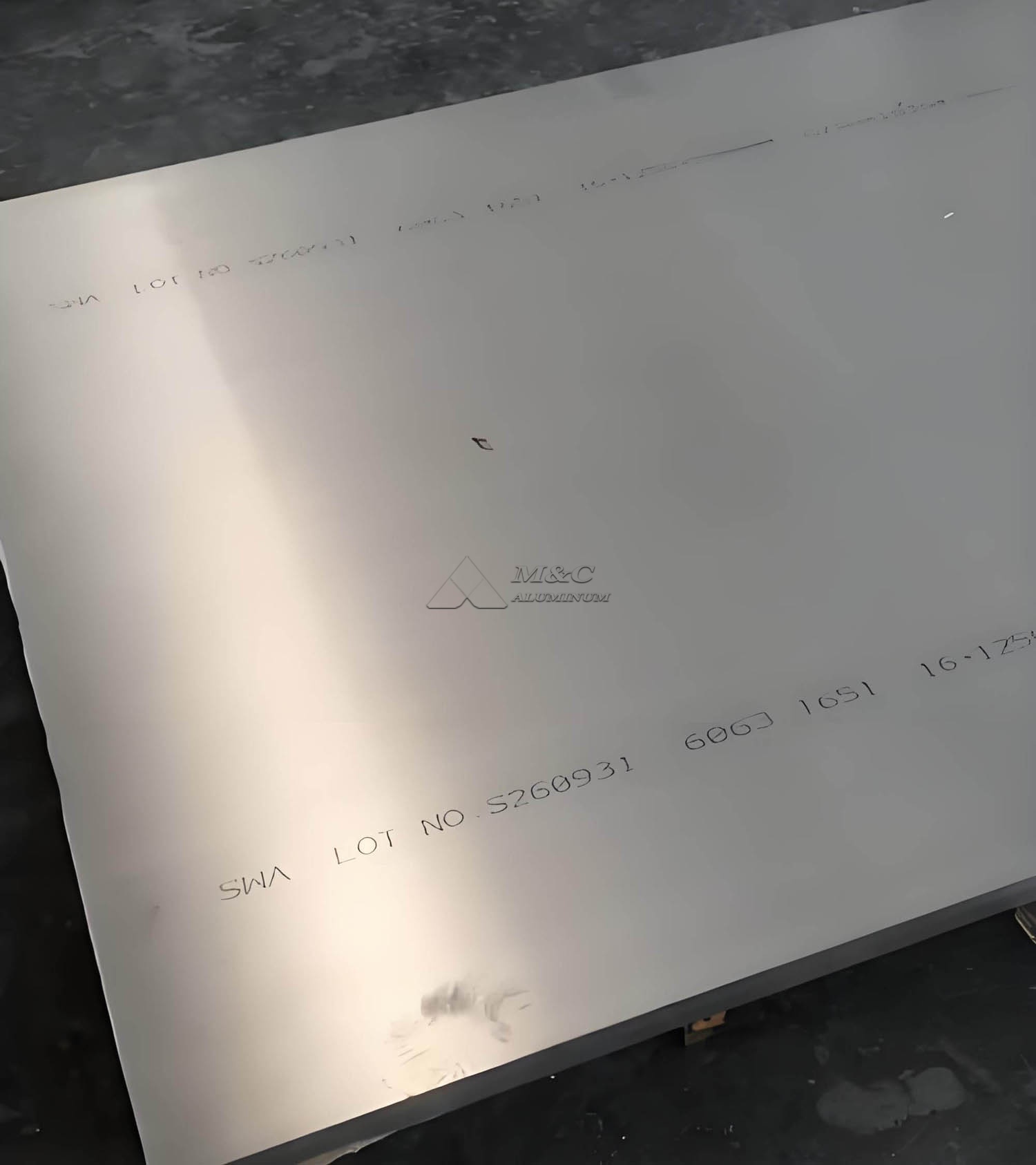
Every certified plate shipment is managed through clear traceability. Plate markings, heat numbers, batch records, test reports, and certificates are coordinated to help shipyards and fabricators maintain documentation throughout cutting, forming, welding, and assembly.
5083 H116 Marine Aluminum Plate Technical Parameters
The following table shows typical parameters for our 5083 H116 marine aluminum plate. Final values, tolerances, testing methods, and certification requirements are confirmed according to the applicable standard and purchase specification.
| Item | Typical Specification |
|---|---|
| Alloy | AA 5083 / AlMg4.5Mn0.7 |
| Temper | H116 |
| Product form | Hot rolled aluminum plate, cut-to-length plate |
| Thickness range | 3.0 mm to 260 mm |
| Width range | Up to 2,650 mm, subject to thickness and production capability |
| Length range | Up to 12,000 mm or customized length |
| Density | Approximately 2.66 g/cm3 |
| Main alloying elements | Magnesium, manganese, chromium |
| Tensile strength | Typically 275 to 350 MPa, depending on thickness and standard |
| Yield strength | Typically 125 to 240 MPa, depending on thickness and standard |
| Elongation | Typically 10% to 16%, depending on thickness and gauge length |
| Corrosion resistance | Excellent in seawater and marine atmospheric environments |
| Weldability | Excellent with appropriate filler metal and welding procedure |
| Surface condition | Mill finish, smooth and clean, free from harmful defects |
| Standards | EN 485, EN 10204, ASTM B928, ASTM B209, and applicable class rules |
| Certification | Mill test certificate, third-party inspection, classification society certificate on request |
Mechanical property ranges are indicative only. Exact requirements may vary according to plate thickness, standard, classification society rule, and project specification. For contract supply, we provide the agreed values in the inspection and test plan and material documentation.
Manufacturing Control From Ingot to Finished Plate
As a 5083 aluminum plate manufacturer, we understand that marine performance begins with process discipline. The production of 5083 H116 marine aluminum plate involves more than achieving nominal alloy composition. It requires controlled melting, grain refinement, homogenization, hot rolling, temper processing, and inspection to support reliable behavior in service.
We begin with qualified raw materials and carefully control the magnesium, manganese, chromium, iron, silicon, copper, and zinc contents of each melt. The chemistry is analyzed before casting to ensure compliance with the relevant alloy designation. Cast slabs are homogenized to improve structural uniformity before rolling.
During hot rolling, we control deformation, temperature, and thickness reduction to achieve the required plate structure and dimensional consistency. The H116 temper process is then managed to meet the mechanical property and corrosion-resistance requirements for marine applications. We conduct routine testing on representative samples and retain production records for traceability.
Final inspection includes thickness measurement, width and length verification, flatness assessment, surface examination, chemical analysis review, and mechanical testing. Where required, ultrasonic inspection can be performed to identify internal discontinuities in thicker 5083 H116 aluminum plate used for critical structural components.
Surface Quality and Fabrication Performance
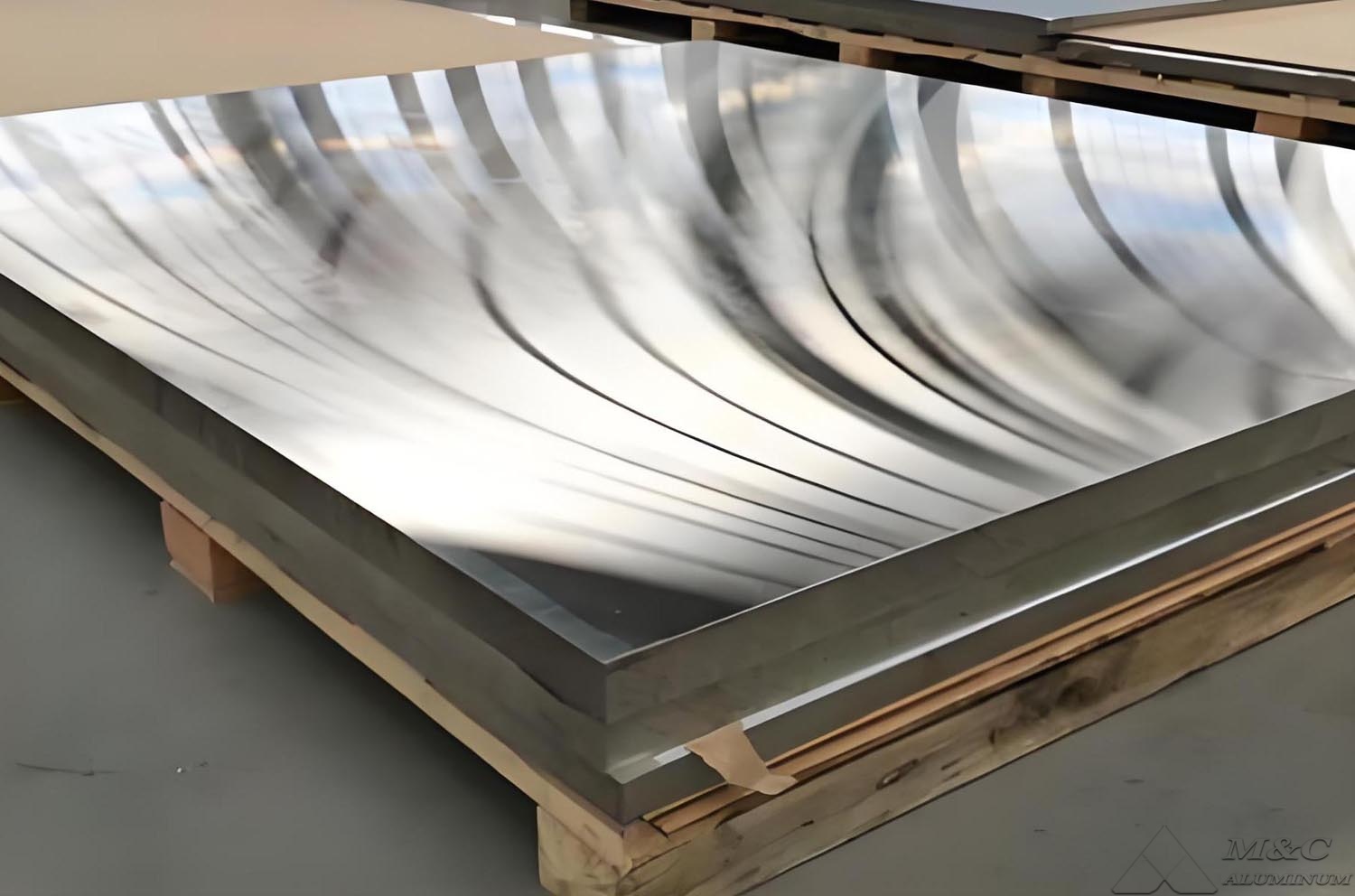
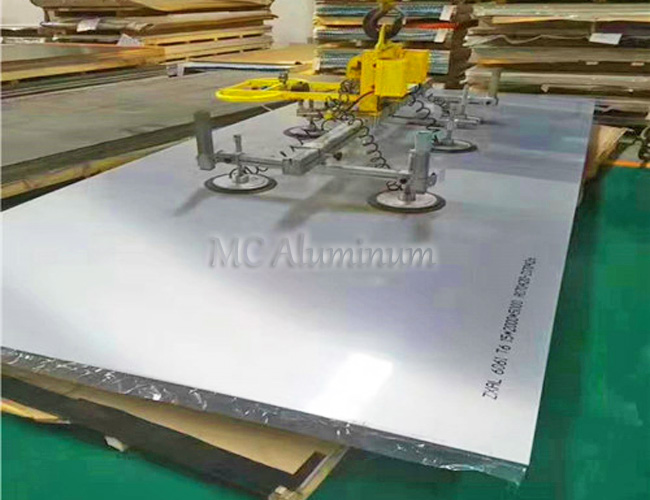
For shipbuilders and marine fabricators, surface quality affects cutting efficiency, bending performance, welding preparation, and final coating appearance. Our marine-grade aluminum plate is supplied with a clean mill finish and is inspected for defects that could affect downstream processing.
We pay particular attention to surface cleanliness, edge condition, plate flatness, and freedom from serious scratches, laminations, black streaks, inclusions, and handling damage. Minor process marks may be present within the limits of the applicable standard, but the plate surface must remain suitable for normal fabrication and protective finishing operations.
5083 H116 plate can be processed by sawing, shearing, CNC machining, waterjet cutting, plasma cutting, bending, and forming. It also offers excellent weldability by MIG and TIG processes. Common filler alloy selections include 5183, 5356, and 5556, subject to joint design, service temperature, and approved welding procedure specifications.
Fabricators should avoid unnecessary cold work, contamination from carbon steel tools, and prolonged exposure to excessive temperatures. Correct joint preparation, filler selection, shielding gas control, and post-weld cleaning are important for achieving durable welded marine structures.
Typical Applications of 5083 H116 Marine Aluminum Plate
5083 H116 marine aluminum plate is used in a broad range of saltwater and offshore applications. The alloy is especially suitable for welded components where high corrosion resistance and structural strength are required.
Typical applications include:
Hull plating for ferries, workboats, patrol vessels, and fishing vessels.
Decks, bulkheads, superstructures, ramps, and internal partitions.
Side shells, bottom structures, bow sections, and transom components.
Gangways, landing platforms, walkways, railings, and marine access systems.
Offshore platform modules, service vessels, equipment housings, and structural supports.
LNG and cryogenic equipment components where 5083 alloy performance is beneficial.
Tank structures, pressure vessels, and transportation equipment requiring corrosion resistance.

For projects requiring related materials in different gauges or forms, our 5083 Aluminum sheet range can support thinner marine fabrication applications. We also manufacture 5086 Aluminium Alloy Plate for marine structures where the project specification calls for this alternative alloy.
Documentation, Packaging, and Delivery
Marine projects require complete and accurate material documentation. We supply documentation packages according to customer and project requirements, which may include a mill test certificate, chemical composition report, mechanical test report, dimensional inspection report, ultrasonic test report, packing list, commercial invoice, certificate of origin, and classification society certificate.
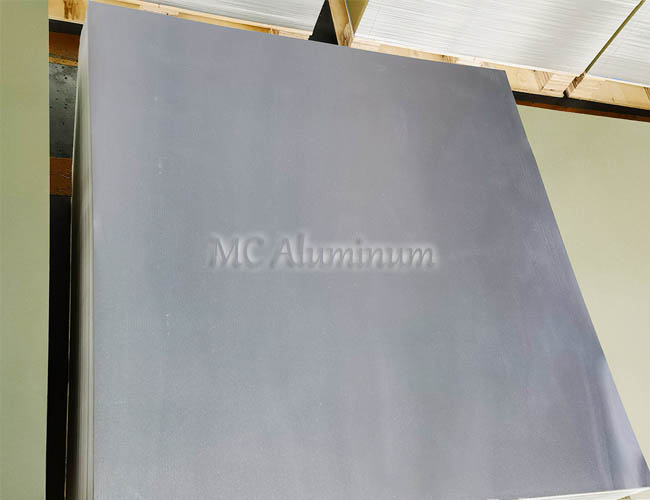
Each plate can be marked with the alloy, temper, size, heat number, batch number, and traceability reference as required. Our packaging is designed for export transport and marine handling. Plates are protected with interleaving materials where necessary, secured on wooden pallets or skids, wrapped with moisture-resistant materials, and reinforced with suitable strapping.
For classification society certified orders, we coordinate production scheduling and inspection timing in advance. This helps ensure that surveyor attendance, sampling, testing, marking, and certification can be completed without affecting the required delivery schedule.
Select a Manufacturer That Understands Marine Requirements
A qualified 5083 H116 marine aluminum plate supplier must provide more than nominal material. Marine builders need stable mechanical properties, corrosion-resistant temper control, reliable plate dimensions, clear traceability, and documentation aligned with project requirements.
As a direct manufacturer, we support buyers from technical review through shipment. Our team can confirm alloy condition, thickness, width, length, class society requirement, inspection scope, surface condition, and packaging method before production. For shipbuilding and offshore projects, we recommend providing the applicable material standard, vessel class, required certificate, plate dimensions, quantity, and intended application at the inquiry stage.
Our 5083 H116 marine-grade aluminum plate is manufactured for professional marine construction where material reliability and documentation are essential.
Contact Us