
5xxx Series Marine Aluminum Sheet: 5052, 5083 and 5754 Alloy Overview
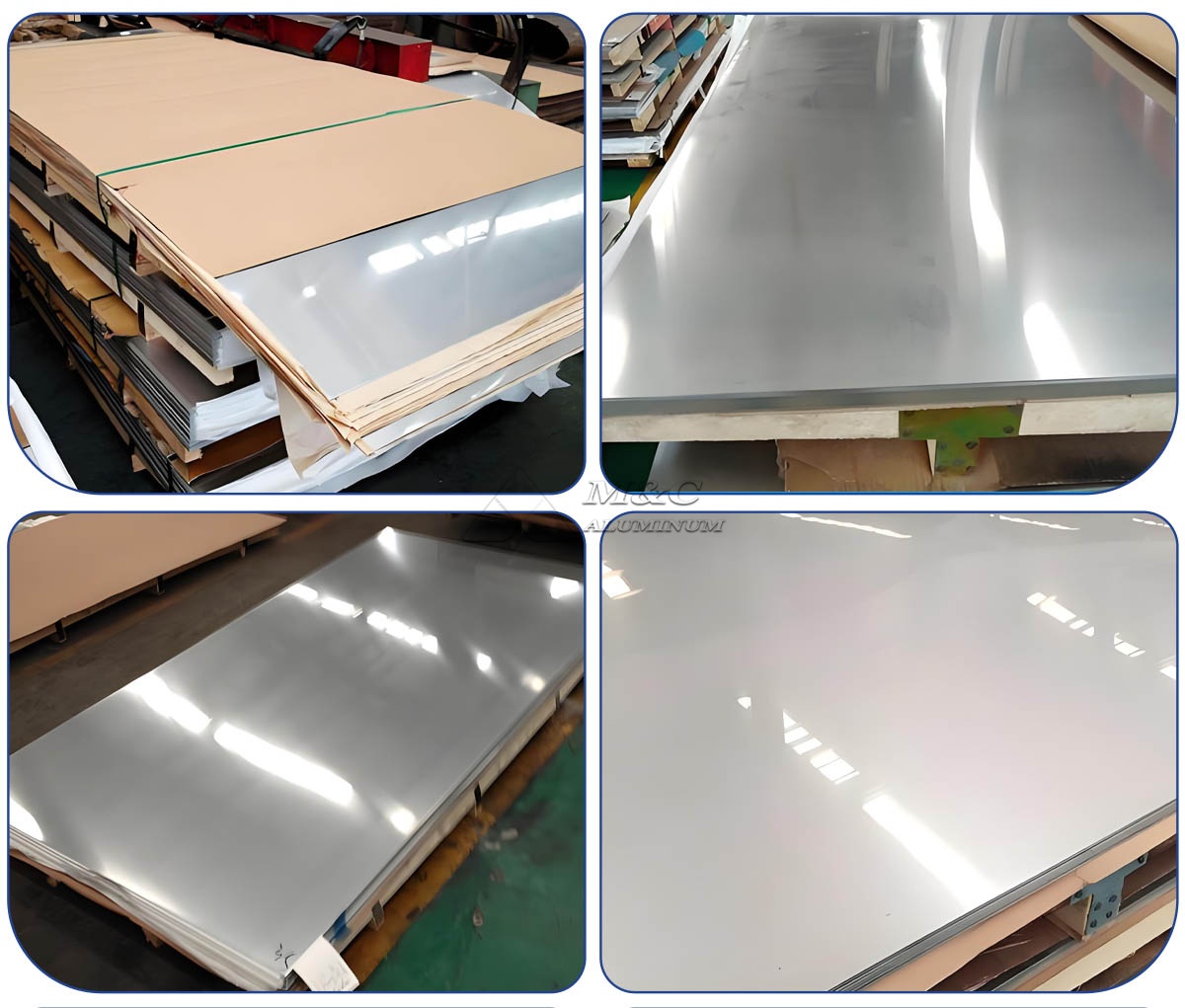
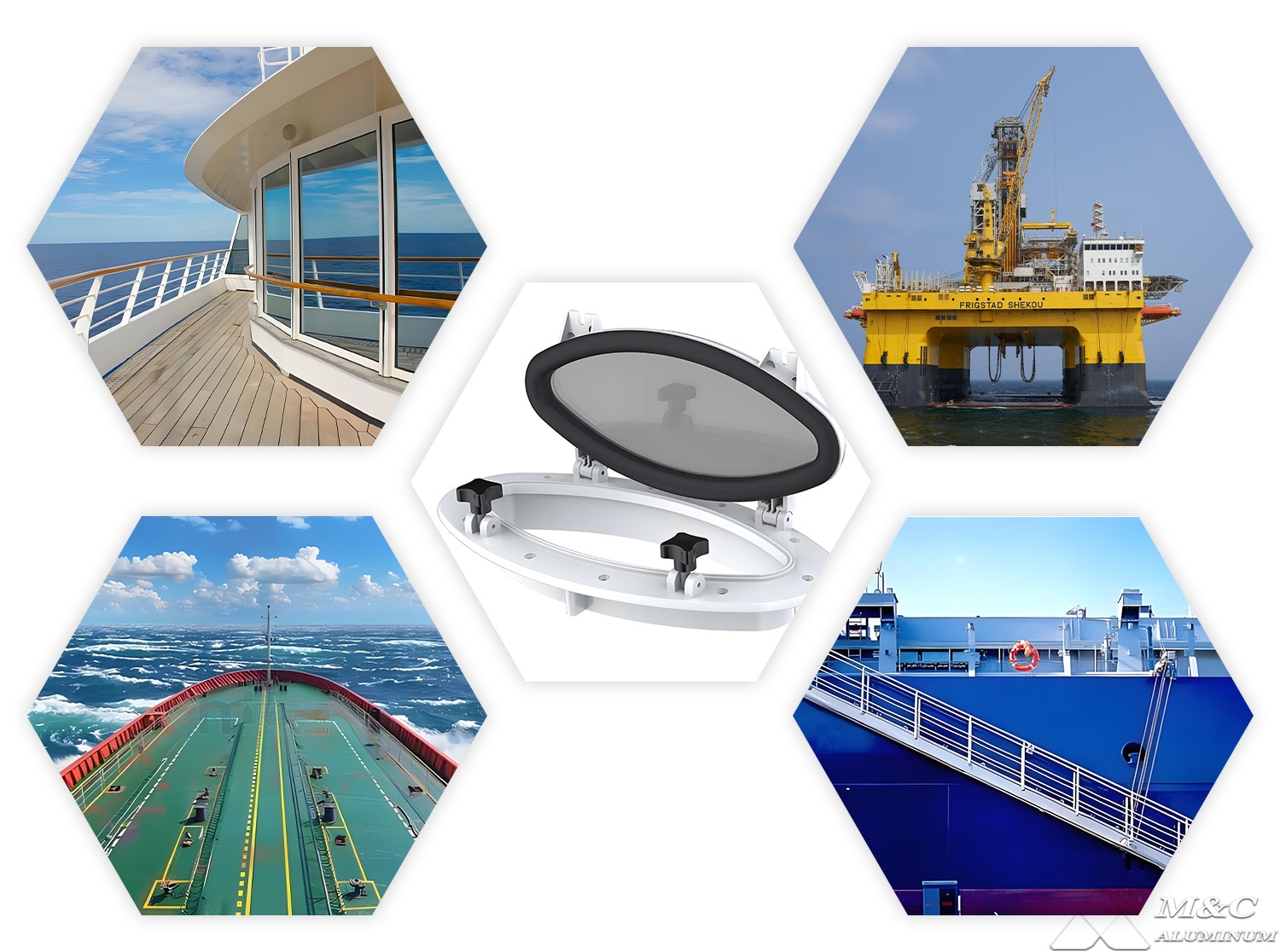
As a manufacturer of marine-grade aluminum products, we produce 5xxx series marine aluminum sheet for shipbuilding, offshore structures, workboats, passenger vessels, vehicle decks, and marine equipment. Among the non-heat-treatable aluminum-magnesium alloys, 5052, 5083, and 5754 are widely specified because they combine corrosion resistance, weldability, formability, and practical strength.
The correct alloy selection depends on the service environment, structural loading, fabrication method, plate thickness, and applicable marine classification requirements. While all three alloys belong to the Al-Mg family, their magnesium content, mechanical properties, recommended tempers, and typical applications are different. This article explains how we manufacture and supply 5052, 5083, and 5754 marine aluminum sheet for engineering-focused projects.
Why 5xxx Series Aluminum Is Used in Marine Construction
5xxx series aluminum alloys are strengthened primarily by magnesium rather than heat treatment. This alloy system provides good resistance to seawater exposure, marine atmospheres, and industrial environments. For marine fabrication, an additional advantage is that these alloys retain useful properties after welding when suitable filler wire, welding procedures, and joint design are used.
Compared with many steel-based materials, marine aluminum sheet reduces vessel weight and can support improved payload, fuel efficiency, draft control, and handling performance. It is also non-magnetic and naturally forms a protective oxide film. However, marine aluminum must still be selected and fabricated correctly. Salt deposits, poor drainage, incompatible metal contact, inappropriate filler selection, and sustained elevated-temperature service can affect long-term performance.
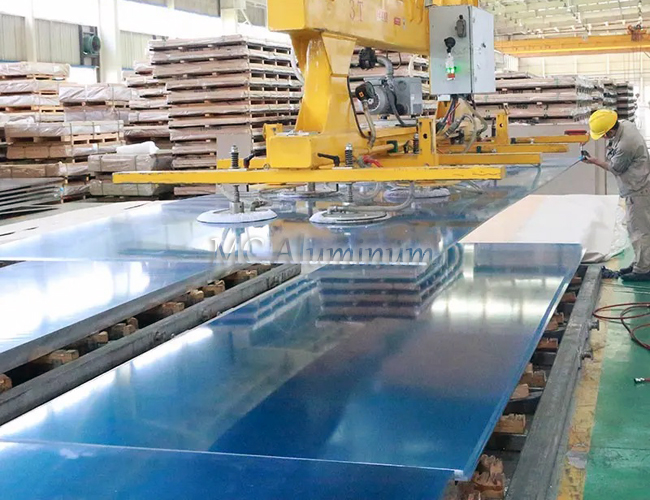
At our mill, we control chemical composition, rolling reduction, annealing conditions, flatness, surface quality, and mechanical properties according to the ordered alloy, temper, dimensions, and standard. For projects requiring classification documentation, material can be produced and inspected in accordance with mutually agreed specifications and third-party requirements.
5052 Marine Aluminum Sheet Overview
5052 is a medium-strength aluminum-magnesium alloy with chromium additions. It is valued for excellent formability, corrosion resistance, and consistent processing performance. In marine applications, 5052 aluminum sheet is commonly selected for non-primary structural components, interior and exterior panels, fuel tanks, equipment covers, deck fittings, cabinets, gangways, and small fabricated parts.
The alloy is particularly suitable where bending, pressing, stamping, or shallow drawing is required. Compared with 5083, 5052 has lower strength, but it is often easier to form into complex shapes. It is available in soft annealed and strain-hardened tempers, including O, H32, H34, and H36, depending on thickness and application.
For customers requiring formed marine components, our 5052 Aluminum Sheet can be supplied with controlled surface condition and thickness tolerance to support cutting, bending, and welding operations.
Typical 5052 Applications
Boat interior panels and decorative marine fittings
Fuel and oil tanks
Equipment enclosures and access panels
Gangways, railings, and lightweight platforms
Trailer and vehicle components used near coastal environments
General sheet-metal fabrications requiring corrosion resistance
5083 Marine Aluminum Sheet Overview
5083 is one of the most important high-strength marine aluminum alloys. With a higher magnesium content than 5052 and 5754, it provides excellent seawater corrosion resistance and higher strength in strain-hardened tempers. It is widely used for welded ship structures, hull plating, decks, bulkheads, superstructures, offshore equipment, and high-speed vessel components.
For many shipbuilding projects, 5083 marine aluminum plate is selected when structural weight reduction and welded strength are primary considerations. Common tempers include O, H111, H112, H116, and H321. H116 and H321 tempers are frequently specified for marine environments because they are designed to provide resistance to exfoliation corrosion and stress corrosion cracking under suitable service conditions.
As the manufacturer, we recommend that customers define whether the material is intended for hull structure, deck plating, internal framing, or formed components before selecting temper. Plate thickness, welding heat input, bending radius, and classification society requirements can all influence the final specification.
Typical 5083 Applications
Hull plating for workboats, patrol boats, ferries, and yachts
Decks, bulkheads, longitudinal members, and transverse structures
Offshore platform components and marine access systems
LNG and cryogenic equipment components
High-strength welded tanks and pressure-related fabrications
Coastal and offshore structural plate applications
For structural plate requirements, our 5083 Aluminum sheet is available in marine-oriented tempers, including H111, H116, and H321, subject to the required dimensions and inspection scope.
5754 Marine Aluminum Sheet Overview
5754 is a moderate-strength aluminum-magnesium alloy that offers good corrosion resistance, good weldability, and reliable forming performance. It generally provides higher strength than 5052 in comparable tempers, while remaining suitable for sheet fabrication and bending. In marine service, 5754 aluminum sheet is often used for flooring, deck panels, vehicle decks, access covers, internal vessel structures, and marine equipment.
This alloy is also widely used in transportation and industrial applications because it performs well in corrosive environments. For marine projects, 5754 is a practical choice where the required strength is above that of standard formed sheet but below the structural level commonly associated with 5083 plate.
Our production process supports 5754 in O, H111, H22, H24, H32, and H34 tempers. The final temper should be selected based on whether the material will be formed, welded, machined, or used as flat structural paneling.
Typical 5754 Applications
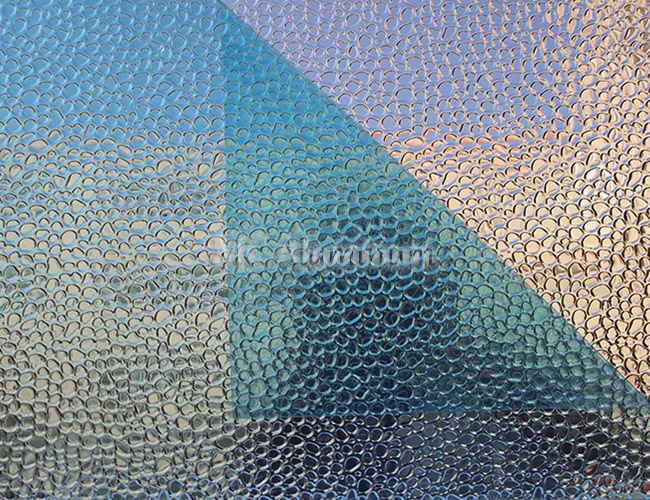
Marine flooring and anti-slip deck sheet
Vessel access panels and covers
Interior bulkheads and lightweight partitions
Truck and trailer bodies used in marine logistics
Welded marine equipment housings
Coastal architectural and industrial sheet-metal parts
Chemical Composition Comparison
The main distinction among 5052, 5083, and 5754 is their magnesium content. Higher magnesium generally contributes to higher strength, while alloy balance and temper determine corrosion behavior, formability, and welding performance.
| Alloy | Magnesium, Mg | Manganese, Mn | Chromium, Cr | Key Alloy Characteristic |
|---|---|---|---|---|
| 5052 | 2.2-2.8% | 0.0-0.10% | 0.15-0.35% | Good formability and corrosion resistance |
| 5083 | 4.0-4.9% | 0.4-1.0% | 0.05-0.25% | High strength and excellent marine corrosion resistance |
| 5754 | 2.6-3.6% | 0.0-0.50% | 0.0-0.30% | Balanced strength, formability, and corrosion resistance |
Note: Composition ranges are representative values. Final chemistry is controlled according to the applicable product standard and purchase specification.
Mechanical Property Comparison
Mechanical properties vary by thickness, temper, testing direction, and applicable standard. The following table provides typical reference ranges for commonly used tempers. Engineering design should always use the certified values stated on the mill test certificate.
| Alloy and Temper | Typical Tensile Strength | Typical Yield Strength | Elongation | Relative Formability | Typical Marine Use |
|---|---|---|---|---|---|
| 5052-H32 | 210-260 MPa | 130-195 MPa | 8-14% | Good | Tanks, formed panels, fittings |
| 5052-H34 | 230-280 MPa | 160-215 MPa | 6-12% | Moderate | Covers, sheet-metal structures |
| 5083-O | 270-350 MPa | 125-190 MPa | 16-22% | Good | Formed structural components |
| 5083-H116 | 305-385 MPa | 215-305 MPa | 10-16% | Moderate | Hulls, decks, offshore plate |
| 5083-H321 | 305-385 MPa | 215-305 MPa | 10-16% | Moderate | Marine structural plate |
| 5754-H22/H32 | 190-250 MPa | 100-180 MPa | 8-16% | Good | Flooring, panels, fabricated parts |
| 5754-H24/H34 | 220-280 MPa | 150-215 MPa | 6-12% | Moderate | Deck panels and covers |
How to Select Between 5052, 5083, and 5754
The selection process should begin with structural demand and fabrication requirements rather than alloy price alone. A material that is easy to form may not provide sufficient strength for a hull structure, while a high-strength plate may be unnecessary for a lightly loaded cover or enclosure.
Choose 5052 marine aluminum sheet when corrosion resistance and formability are the main priorities. It is suitable for tanks, formed panels, equipment covers, and general marine fabrications that do not require the highest structural strength.
Choose 5083 marine aluminum plate when the application requires high strength, reliable welded performance, and seawater corrosion resistance. It is a preferred material for hull structures, decks, bulkheads, offshore components, and other load-bearing welded assemblies.
Choose 5754 aluminum sheet when a balanced combination of moderate strength, corrosion resistance, and formability is needed. It is well suited to marine flooring, deck panels, access covers, and fabricated components exposed to coastal or wet environments.
Manufacturing and Quality Control for Marine Aluminum Sheet
The performance of marine aluminum depends not only on alloy designation but also on manufacturing consistency. During production, we monitor melt chemistry, grain structure, rolling process, annealing cycle, dimensional accuracy, surface appearance, and mechanical properties. Our inspection procedures can include thickness measurement, width measurement, flatness inspection, visual surface examination, hardness testing, tensile testing, chemical analysis, and ultrasonic testing when required.
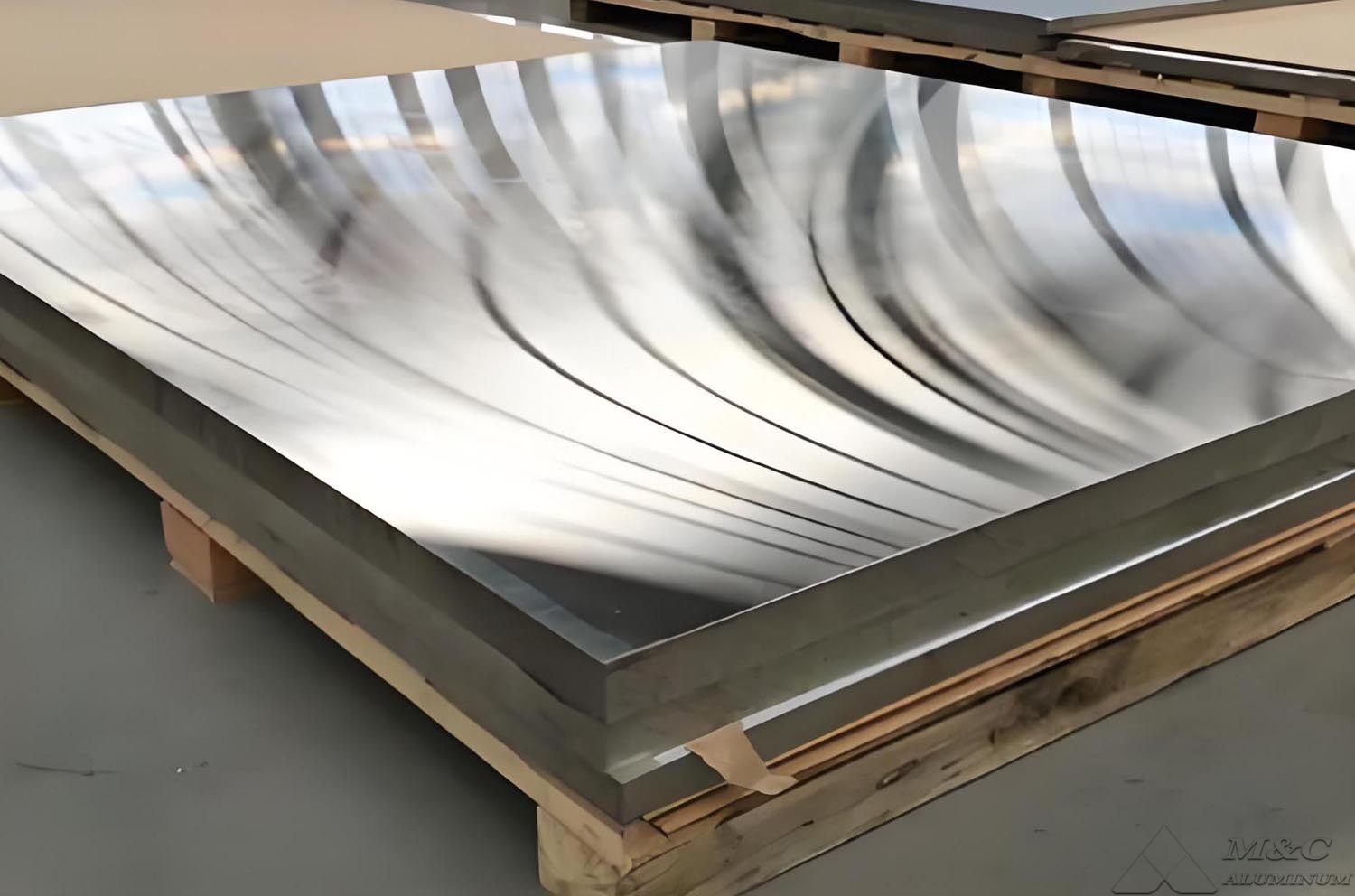
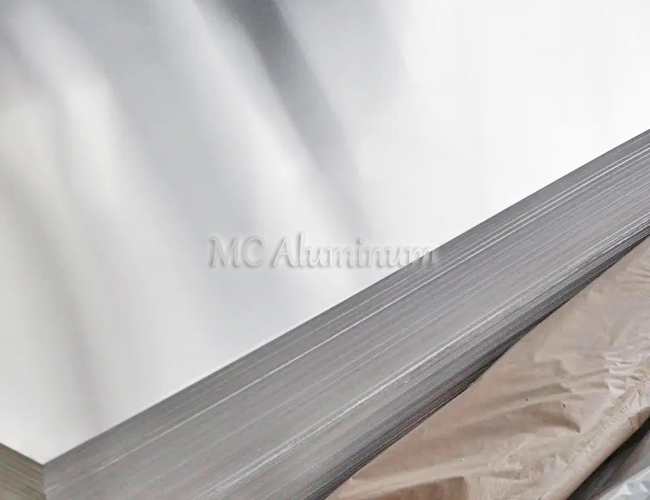
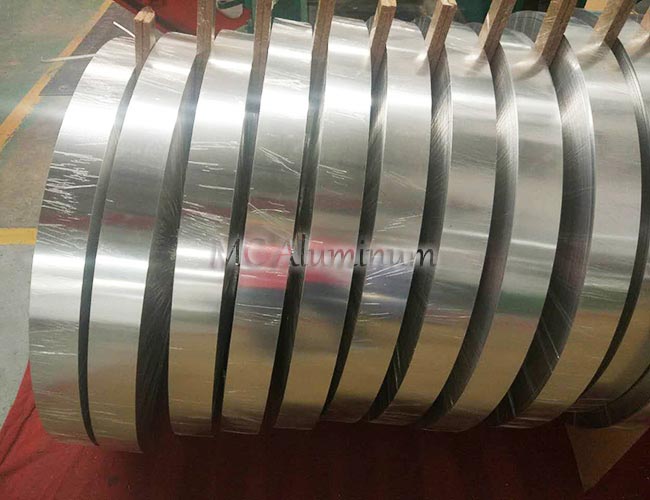
For marine-grade aluminum sheet and plate, surface quality is especially important. Material should be free from defects that could interfere with fabrication, coating, welding, or corrosion performance. We can supply mill finish sheet, brushed sheet, tread plate, and custom cut sizes according to project requirements.
Welding, Fabrication, and Corrosion Considerations
5052, 5083, and 5754 are generally suitable for MIG and TIG welding. Common filler alloy selections may include 5183, 5356, or 5556, depending on the base alloy, service conditions, design code, and required joint properties. Welding parameters should be qualified by the fabricator, particularly for structural marine applications.
Good marine design practices remain essential. Avoid crevices that retain seawater, provide drainage paths, isolate aluminum from dissimilar metals where necessary, and use compatible fasteners and protective systems. For long-term marine exposure, customers should also consider coating systems, anodizing suitability, cathodic protection design, and maintenance access.
Conclusion
5052, 5083, and 5754 are all important 5xxx series marine aluminum alloys, but they serve different engineering purposes. 5052 provides excellent formability for fabricated marine parts. 5083 offers the highest strength and is widely used for welded hull and offshore structures. 5754 provides a practical middle ground for flooring, panels, decks, and corrosion-resistant fabricated components.
As a marine aluminum sheet manufacturer, we support customers with alloy selection, temper recommendations, dimension control, mill test certification, and project-specific production. By matching the correct alloy and temper to the vessel design and fabrication process, marine builders can achieve dependable corrosion resistance, efficient fabrication, and long service life.
Contact Us