
Comparison of Aluminum Strip and Copper Strip in Transformers
In transformer winding manufacturing, the choice between aluminum strip and copper strip directly affects electrical performance, structural design, processing stability, and total production cost. As a manufacturer of Aluminum Strip and specialized Transformer Aluminium Strip, we supply conductor materials for dry-type transformers, oil-immersed transformers, distribution transformers, and reactor applications. From our production and application experience, both aluminum strip and copper strip are technically viable, but they serve different design priorities.
This article compares aluminum strip and copper strip in transformers from the perspective of conductor properties, winding design, manufacturing considerations, and practical selection criteria.
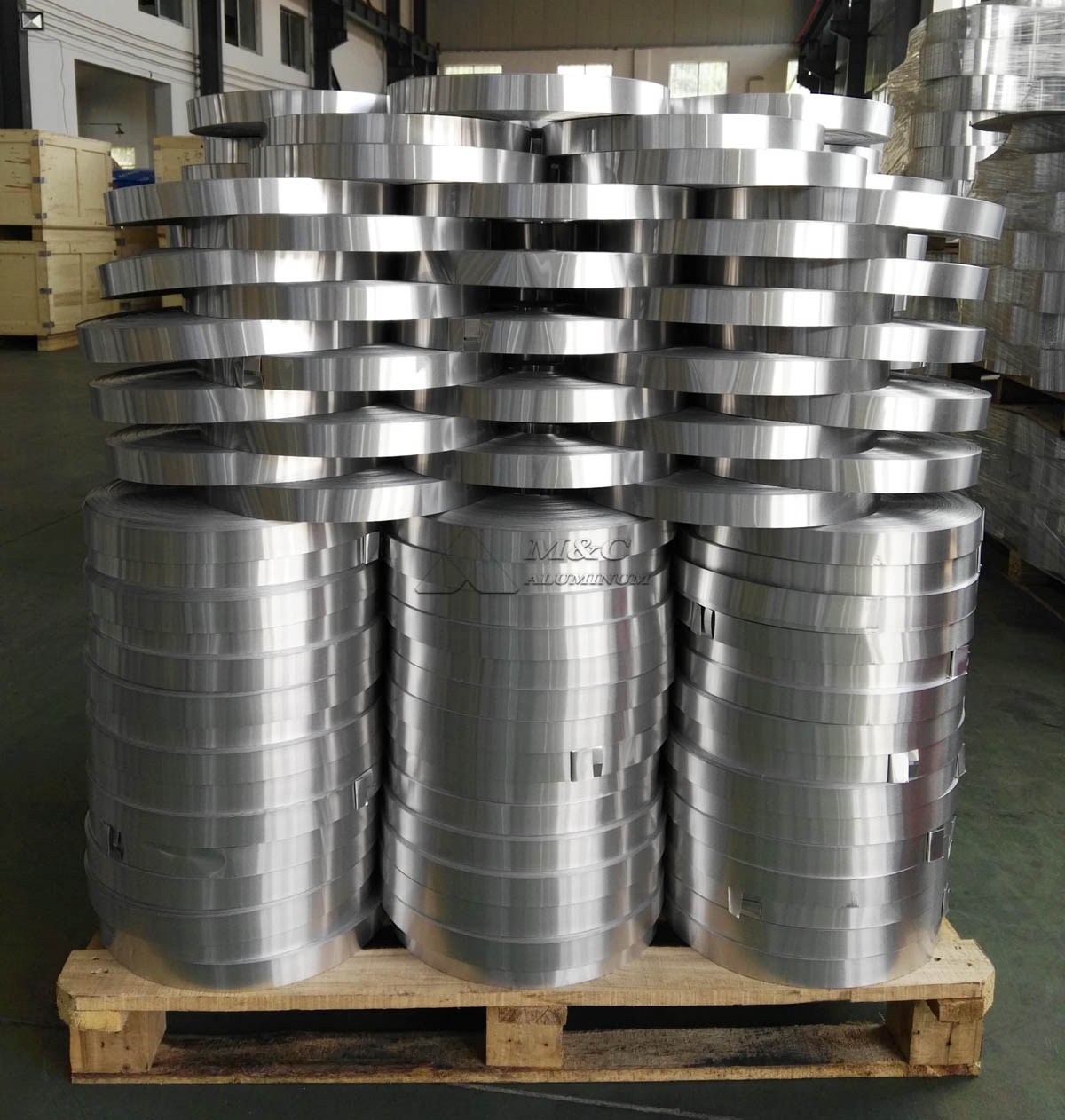
What is transformer aluminum strip?
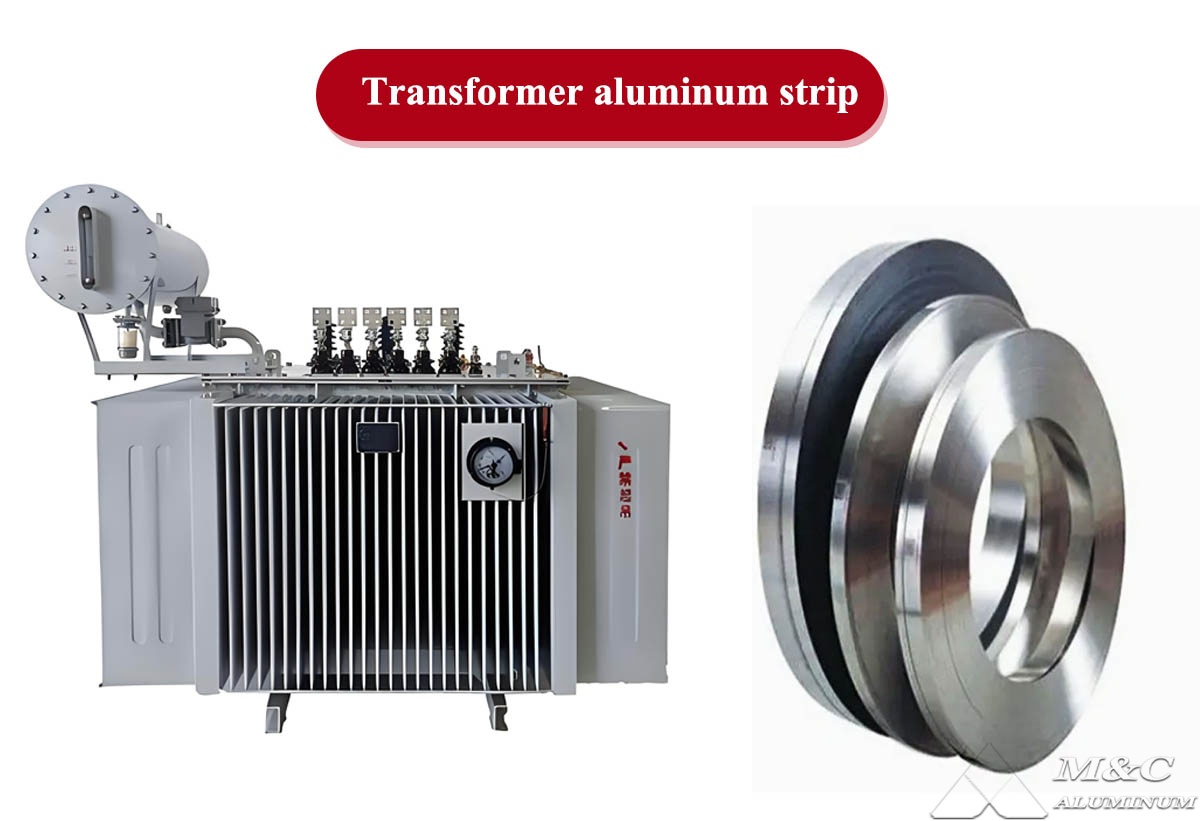
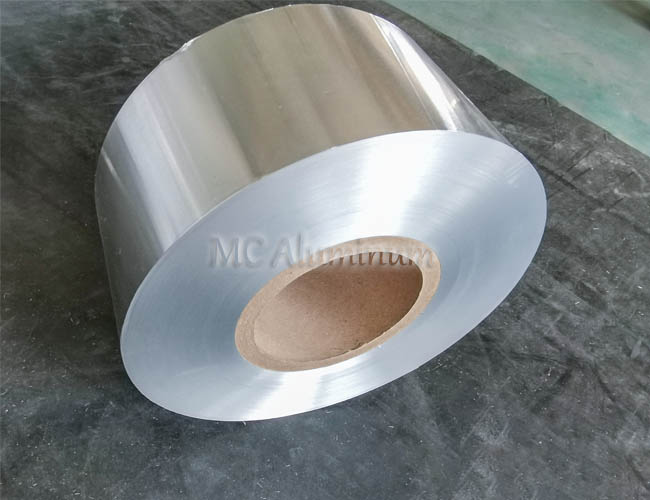
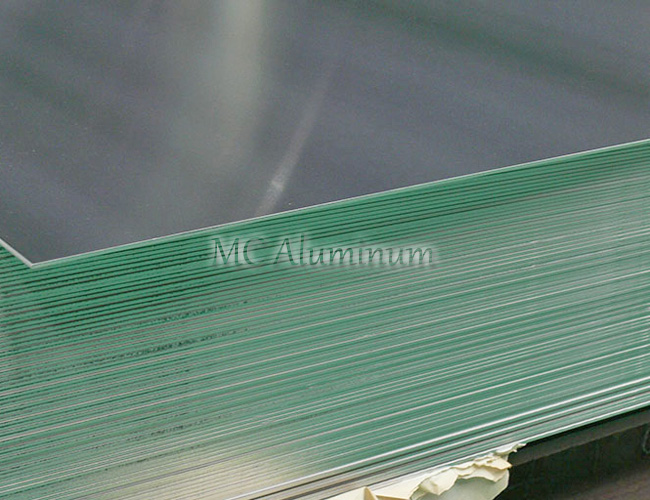
Transformer aluminum strip is a core conductive material in electrical equipment such as power transformers, reactors, and instrument transformers. It primarily replaces traditional copper cores, offering advantages such as high conductivity, lightweight, low cost, and ease of winding, making it a key winding material for distribution transformers, dry-type transformers, and oil-immersed transformers. The product uses 1060, 1050, 1070, and 1350 aluminum strips as raw materials, manufactured through precision rolling, annealing and softening, and surface finishing processes, possessing excellent electrical conductivity, thermal conductivity, and insulation compatibility.
Role of Strip Conductors in Transformer Windings
Transformer windings require conductor materials with stable electrical conductivity, controlled dimensional tolerances, reliable insulation compatibility, and consistent mechanical performance during winding and service. Strip conductors are widely used in low-voltage and high-current windings because they improve layer arrangement, increase space utilization, and support controlled current distribution.
In practical production, the conductor must meet several requirements:
High and stable conductivity
Smooth surface quality suitable for insulation coating or paper covering
Accurate thickness and width tolerance
Good elongation for winding without edge cracking
Sufficient mechanical strength after annealing
Reliable performance under thermal cycling
Both aluminum strip and copper strip can meet transformer manufacturing requirements when the conductor size and winding structure are properly designed.
Basic Material Difference Between Aluminum and Copper
The most fundamental difference is that copper has higher electrical conductivity per unit area, while aluminum has lower density and lower raw material cost. For this reason, aluminum strip in transformers is often selected where weight reduction and economic efficiency are important, while copper strip is often preferred where compact size and maximum conductivity in limited space are required.
From a manufacturer's perspective, the comparison should not be limited to conductivity alone. It must also include conductor cross-sectional compensation, equipment capability, insulation structure, temperature rise, joining process, and final transformer application.
Key Technical Parameters
The table below shows typical comparative values for annealed electrical grade aluminum strip and copper strip used in transformer winding applications.
| Parameter | Aluminum Strip | Copper Strip |
|---|---|---|
| Base material purity | Typically 99.6% and above | Typically 99.9% and above |
| Electrical conductivity | About 61% IACS | About 100% IACS |
| Resistivity at 20 C | About 0.0282 Ohm mm2/m | About 0.0172 Ohm mm2/m |
| Density | About 2.70 g/cm3 | About 8.89 g/cm3 |
| Relative weight at equal volume | 1 | About 3.3 |
| Thermal conductivity | About 235 W/m K | About 385 W/m K |
| Coefficient of thermal expansion | About 23.0 x 10^-6 /K | About 16.5 x 10^-6 /K |
| Tensile strength, annealed | Approx. 60-110 MPa | Approx. 200-250 MPa |
| Elongation, annealed | Good, suitable for winding | Good, suitable for winding |
| Cost level | Lower | Higher |
| Cross section required for equal resistance | Larger | Smaller |
These values may vary according to alloy, temper, and product specification, but they represent the main engineering trend seen in transformer conductor selection.
Electrical Performance Comparison
Copper strip has better conductivity than aluminum strip, so for the same current-carrying requirement, a copper conductor can use a smaller cross-sectional area. This allows a more compact winding design, which is beneficial in transformers where installation space is restricted.
However, aluminum strip for transformers is not simply a lower-conductivity substitute. In actual transformer design, the conductor section is increased to compensate for resistivity. When this is done correctly, aluminum winding strip can achieve the required current density and acceptable temperature rise.
In many distribution transformer projects, this design compensation is fully practical. The result is a transformer with larger conductor section but significantly lower winding weight. Therefore, the real engineering comparison is not conductivity per unit area alone, but performance after design optimization.
Weight and Structural Impact
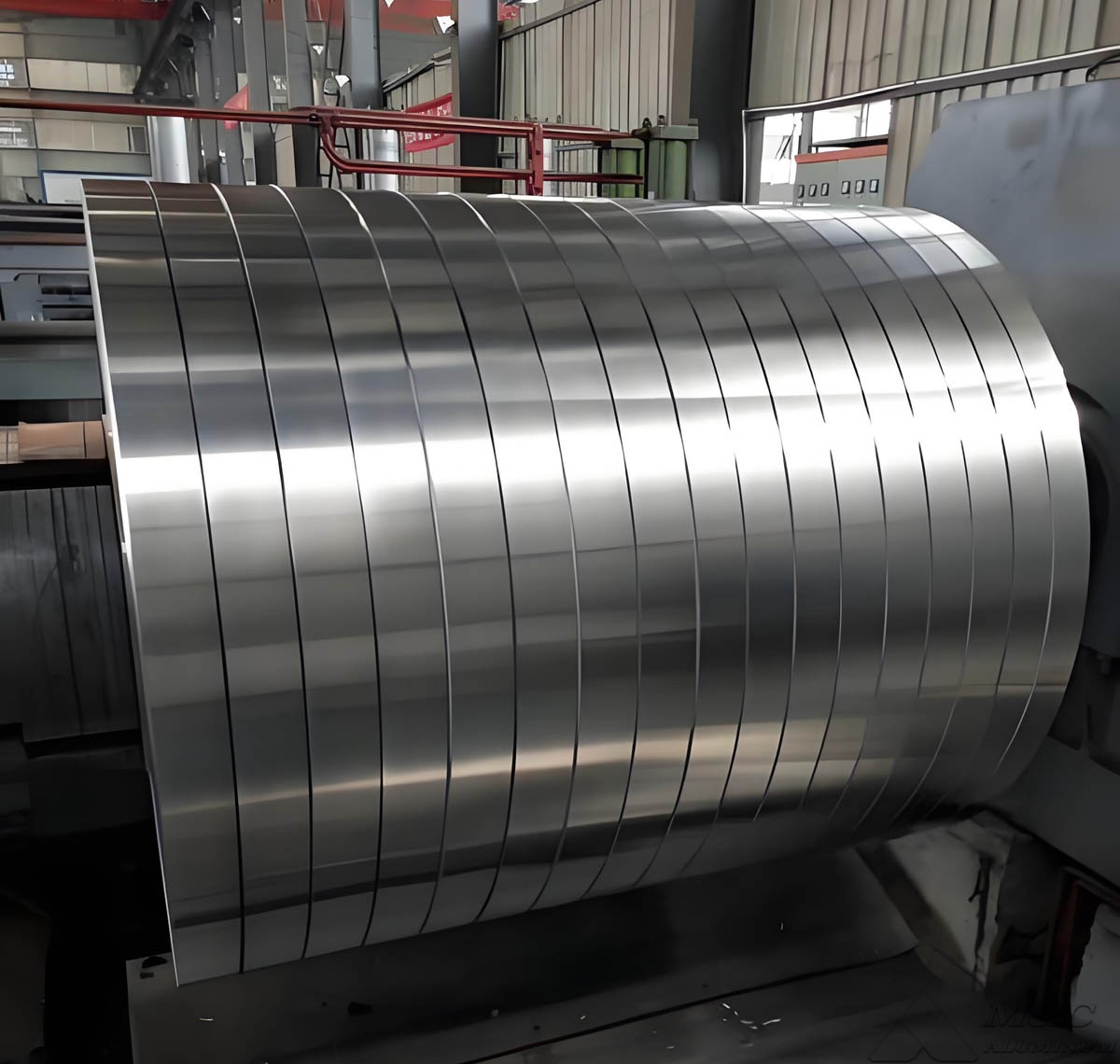
One of the clearest advantages of transformer aluminium strip is low density. Aluminum is roughly one-third the weight of copper by volume. Even after increasing conductor cross section to meet the same electrical resistance target, the final aluminum winding is usually still much lighter than the copper equivalent.
This lower weight affects several aspects of manufacturing and use:
Reduced total winding mass
Easier handling during coil fabrication
Lower transportation weight for finished transformers
Reduced structural load in certain designs
Potential benefit in large-capacity windings where conductor mass is substantial
For manufacturers producing large numbers of distribution transformers, this difference can become important in both production logistics and overall cost control.
Cost Comparison in Transformer Manufacturing
Raw material cost is a major reason aluminum strip is widely adopted in transformer production. Copper prices are significantly higher and generally more volatile. Although aluminum windings require a larger cross section, the total conductor cost often remains lower than copper for the same application.
From our factory perspective, customers evaluating copper vs aluminum transformer winding usually focus on the following cost factors:
Conductor material cost per transformer
Processing efficiency during slitting and annealing
Scrap value and yield control
Joining and terminal connection method
Long-term price stability for procurement planning
In cost-sensitive transformer segments, especially distribution and general industrial power applications, aluminum strip can provide a clear economic advantage when the winding and connection design are properly engineered.
Mechanical Properties and Processing Considerations
Copper has higher mechanical strength and lower thermal expansion than aluminum. This can offer advantages in compact winding structures and in designs exposed to repeated thermal and mechanical stress. Copper also provides strong reliability in conductor joints when conventional joining processes are used.
Aluminum, however, has its own processing advantages when produced to the correct temper. Annealed electrical aluminum strip can achieve good formability and winding performance, provided that the strip has:
Clean surface without rolling defects
Rounded or controlled edges after slitting
Stable elongation
Uniform thickness across the coil width
Controlled residual stress after annealing
As a manufacturer, we pay particular attention to edge quality, burr control, and coil consistency because these factors directly affect paper wrapping, insulation coating, and winding stability. Poor strip quality, regardless of whether the metal is copper or aluminum, will increase the risk of insulation damage and winding defects.
Connection and Oxidation Considerations
A common engineering discussion around aluminum strip in transformers relates to oxide film and connection reliability. Aluminum naturally forms an oxide layer on the surface, so terminal connection design must be carefully controlled. In transformer manufacturing, this issue is managed through suitable surface preparation, compatible connector design, and proper joining technology.
Copper also oxidizes, but its connection behavior is generally more familiar in traditional transformer workshops. Even so, modern transformer production has established mature methods for aluminum conductor termination, and these methods are widely used in commercial transformer manufacturing.
The key point is that aluminum strip should not be evaluated independently from the connection system. When conductor, terminal, and process are matched correctly, aluminum winding systems can provide stable long-term service.
Dimensional Design Implications
Because aluminum has lower conductivity, transformer designers usually increase the conductor width or thickness to achieve the required electrical performance. This has implications for:
Winding window utilizationn- Insulation spacing layout
Layer count and coil geometry
Heat dissipation path
Overall transformer size
Copper is often selected when the design must remain as compact as possible. Aluminum is often selected when a modest increase in conductor section is acceptable in exchange for lower weight and lower cost.
This is why material selection should always be linked to the specific transformer type. There is no universal best conductor for every transformer.
Typical Application Preference
In our production experience, aluminum strip and copper strip are commonly selected as follows:
| Application factor | Aluminum Strip Tendency | Copper Strip Tendency |
|---|---|---|
| Cost-sensitive distribution transformers | Strong preference | Secondary option |
| Compact design with limited space | Moderate | Strong preference |
| Weight-sensitive designs | Strong preference | Limited |
| High conductivity in minimum section | Limited | Strong preference |
| Large-volume industrial production | Strong preference | Common in premium projects |
| Traditional high-specification winding systems | Used with proper design | Strong preference |
This pattern reflects engineering and commercial priorities rather than material superiority in absolute terms.
Manufacturing Requirements for Transformer Aluminum Strip
Not all aluminum strip is suitable for transformer winding. The material must be produced specifically for electrical applications with controlled chemistry, temper, and dimensional precision. For transformer use, we generally focus on the following production points:
High-purity aluminum base material
Stable DC conductivity
Soft annealed temper for winding
Accurate slitting width and thickness tolerance
Smooth surface for insulation compatibility
Flat coil shape and controlled camber
Low burr edge condition
These characteristics are essential for electrical aluminum strip used in continuous winding processes. Material inconsistency can directly reduce coil quality and increase downstream manufacturing loss.
How We Advise Customers on Material Selection
As a factory manufacturer, we do not treat aluminum strip and copper strip as interchangeable by default. Our recommendation is based on the transformer's rated capacity, current density target, winding window size, thermal design, and cost framework.
In general, aluminum strip is a practical and technically reliable choice when:
The transformer design allows compensated conductor section
Lower winding weight is beneficial
Material cost control is important
The manufacturer has suitable aluminum jointing and processing capability
Copper strip is often preferred when:
Maximum compactness is required
Higher conductivity per unit area is critical
Established production systems are optimized for copper
Higher material cost is acceptable within the project specification
Conclusion
The comparison of aluminum strip and copper strip in transformers should be based on complete engineering evaluation rather than a single property. Copper strip provides higher conductivity, smaller conductor size, and strong mechanical performance. Aluminum strip offers major advantages in weight reduction and material economy, and it performs reliably when the transformer is designed specifically for aluminum windings.
From a manufacturing standpoint, the decisive factors are not only material properties, but also strip quality, dimensional accuracy, annealing control, and compatibility with the winding and connection process. With properly produced transformer aluminium strip and a suitable winding design, aluminum can be an efficient and durable conductor material for many transformer applications.
For transformer manufacturers and project engineers, the correct choice is the one that best balances electrical performance, structural constraints, process capability, and total cost.
Contact Us