
High Conductivity Aluminum Strip for Transformer Winding
As a manufacturer of rolled aluminum products, we produce high conductivity aluminum strip for transformer winding under controlled metallurgical and dimensional conditions. This product is used in oil-immersed transformers, dry-type transformers, reactors, and related electrical equipment where stable conductivity, uniform winding performance, and dependable insulation compatibility are required.
Transformer winding materials must meet more than a simple conductivity target. In actual production and service, strip flatness, edge quality, dimensional tolerance, surface cleanliness, elongation, and coil consistency all affect winding efficiency and long-term electrical performance. For this reason, our manufacturing process for transformer winding aluminum strip is designed around electrical application requirements rather than general-purpose strip production.
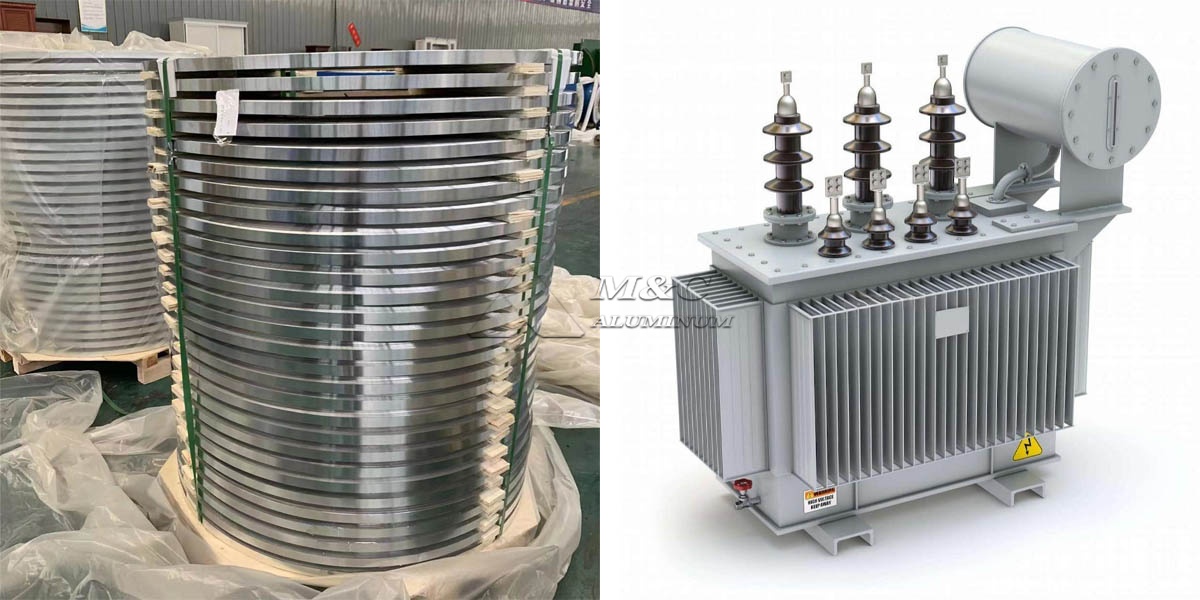
What is high conductivity aluminum strip for transformer winding?
High conductivity aluminum strip for transformer winding is a rolled aluminum product, typically based on EC grade aluminum such as 1050, 1060, 1070, or 1350 alloy, used as the conductive winding material in transformers and reactors. Compared with general industrial aluminum strip, this material requires stricter control of conductivity, temper, edge condition, burr height, and surface quality.
In transformer manufacturing, the strip is wound into coils that form the conductive path of the transformer. During this process, poor edge quality can damage insulation paper or coating layers, inadequate flatness can reduce winding stability, and inconsistent thickness can affect the electromagnetic design. Therefore, the aluminum strip must be produced with stable composition and precise rolling control.
We manufacture both standard Aluminum Strip and dedicated Transformer Aluminium Strip for customers requiring electrical-grade performance and repeatable processing behavior.
Why aluminum strip is used in transformer winding
Aluminum has become an established conductor material in many transformer designs because it offers a practical balance of conductivity, weight, formability, and cost efficiency. When properly processed, high conductivity aluminum strip provides reliable electrical performance and can be wound efficiently on automatic or semi-automatic transformer production lines.
The main advantages include:
High electrical conductivity
EC grade aluminum provides high conductivity suitable for transformer windings. Stable conductivity supports predictable current carrying performance and helps maintain design consistency from batch to batch.
Low density
Aluminum is significantly lighter than copper. This reduces total winding weight and can support handling and structural optimization in transformer production.
Good formability
Properly annealed aluminum strip offers the elongation and flexibility required for tight and consistent winding without cracking.
Efficient heat transfer
Aluminum has favorable thermal conductivity, which supports heat dissipation in transformer operation when design and insulation systems are properly matched.
Cost and supply stability
For many transformer manufacturers, aluminum winding strip provides a sound technical and economic option, especially in medium and large volume production.
Alloys and tempers commonly used
The most common alloys for transformer winding aluminum strip are 1050, 1060, and 1070. These alloys are selected because of their high aluminum purity and corresponding electrical conductivity. The final choice depends on the required conductivity level, winding process, mechanical properties, and product design.
Temper selection is equally important. Soft tempers such as O are frequently chosen for winding applications because they offer better ductility and easier forming. In some cases, customers may request special process conditions based on equipment capability and insulation design.
Technical parameters
Below are typical parameters for high conductivity aluminum strip for transformer winding. Actual values can be adjusted according to customer drawings and transformer design requirements.
| Item | Typical Range / Specification |
|---|---|
| Product name | High conductivity aluminum strip for transformer winding |
| Common alloys | 1050, 1060, 1070,1350 |
| Temper | O |
| Thickness | 0.20 mm - 3.50 mm |
| Width | 10 mm - 1600 mm |
| Inner diameter | 150 mm, 300 mm, 400 mm, 500 mm |
| Outer diameter | As per coil weight and line requirement |
| Conductivity | Typically >= 61.0% IACS, depending on alloy |
| Resistivity at 20 C | According to applicable alloy standard |
| Tensile strength | As per alloy and annealed temper requirement |
| Elongation | Suitable for transformer winding process |
| Edge condition | Slit edge, rounded edge, low burr control |
| Surface condition | Clean, smooth, free from oil excess, scratches, and edge defects |
| Flatness | Controlled for stable winding |
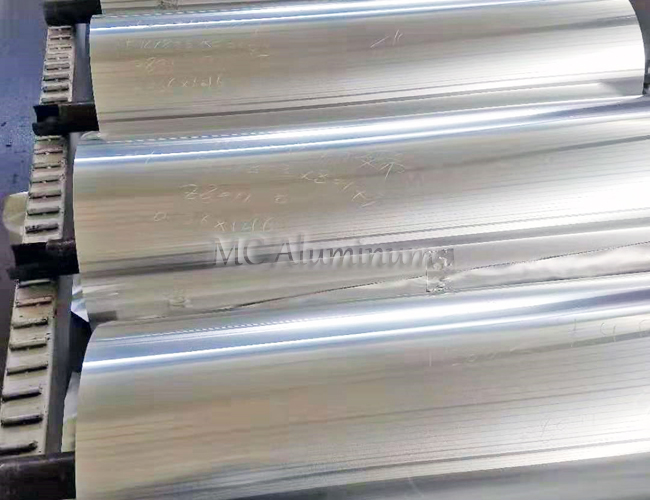
| Coil form | Coil, slit coil |
| Standard reference | Can be produced according to customer technical agreement or applicable international standard |
Manufacturing control points from our factory
As a manufacturer, we focus on process control from raw material selection to final inspection. Transformer winding aluminum strip is not simply a slitted product. It requires a full production route aligned with electrical application standards.
1. High purity raw material selection
We start with carefully controlled aluminum feedstock suitable for EC grade strip production. Chemical composition directly affects conductivity and consistency, so alloy selection and melt control are fundamental.
2. Rolling precision
Thickness tolerance is controlled throughout cold rolling. Uniform gauge across the strip width is important for winding density and electrical design accuracy.
3. Annealing consistency
Annealing determines the balance between conductivity and formability. For transformer winding, a stable soft temper is necessary to ensure smooth winding and reduce the risk of cracking or rebound during processing.
4. Edge quality management
Edge burrs, edge waviness, and local deformation can create problems during insulation wrapping and winding. We pay particular attention to slitting quality and edge inspection.
5. Surface cleanliness
A clean and smooth surface helps protect insulation materials and supports reliable downstream processing. Residual oil, scratches, embedded particles, and roll marks are controlled during production and packaging.
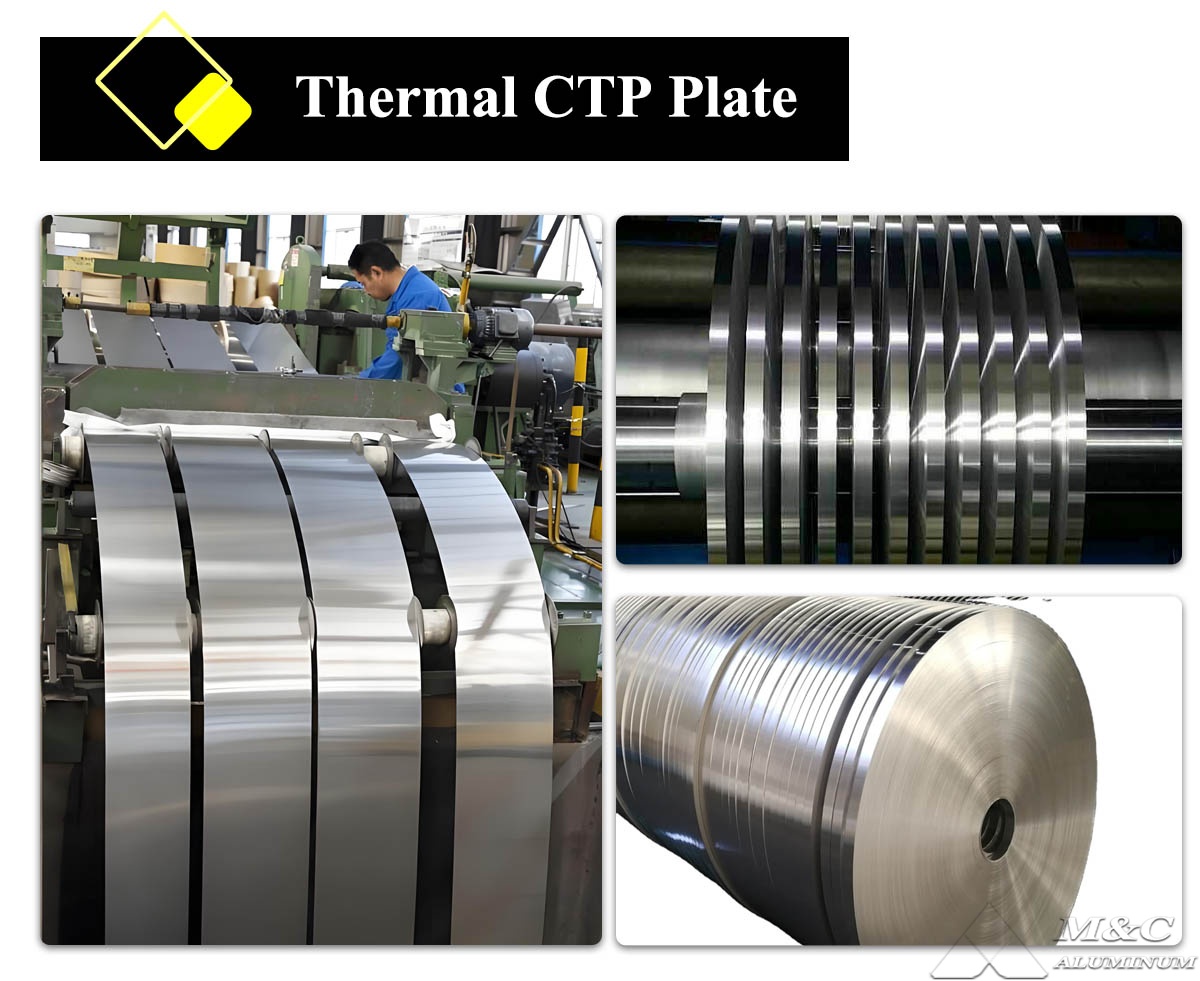
Key performance requirements for transformer winding aluminum strip
When transformer manufacturers evaluate aluminum strip for winding, several performance factors are usually reviewed together rather than independently.
Conductivity stability
Electrical conductivity must be consistent within the ordered specification. Variation between coils can affect design performance and production planning.
Thickness and width accuracy
Transformer winding is sensitive to dimensional variation. Tight control helps maintain layer alignment, winding geometry, and predictable electrical parameters.
Ductility and elongation
The strip must withstand bending and winding without cracking. This is especially important for narrow widths, small winding radii, or high-speed lines.
Low burr and safe edge profile
Because transformer winding uses insulation layers, edge condition is critical. Poor slitting quality may damage insulation and increase processing losses.
Coil quality
Uniform coil winding, stable tension, and proper packaging reduce deformation during transport and improve productivity in the customer's workshop.
Typical applications
Our high conductivity aluminum strip is used in a range of electrical winding applications, including:
Oil-immersed transformer windings
Dry-type transformer windings
Distribution transformer coils
Power transformer coils
Reactor windings
Electrical equipment requiring lightweight conductive strip
Although transformer winding is a specialized use, the same rolling and slitting capabilities also support other precision strip applications. For customers evaluating alternative strip structures, we also manufacture thin-gauge products such as Thin aluminum strip under controlled tolerance conditions.
How to select the right aluminum strip for transformer winding
Selection should be based on actual design and processing requirements rather than only nominal alloy grade.
Confirm alloy and conductivity target
1050, 1060, and 1070 are the usual options. Higher purity grades generally support higher conductivity, but final selection should match the transformer design specification.
Define thickness and width tolerance
Precise tolerance is essential for consistent winding and electromagnetic performance. It is useful to define not only nominal dimensions but also tolerance limits and camber requirements.
Specify temper and winding radius
The temper should be selected according to the customer's winding equipment, minimum bending radius, and insulation system.
Review edge and burr requirements
For transformer applications, burr height and edge smoothness should be clearly agreed in the technical specification.
Clarify packaging and coil dimensions
Inner diameter, maximum outer diameter, coil weight, and protective packaging influence storage, transport, and line efficiency.
Our inspection and quality assurance approach
We inspect transformer winding aluminum strip through a combination of online and finished-product controls. Depending on the order, inspection items may include chemical composition verification, thickness measurement, width measurement, conductivity testing, mechanical property testing, surface inspection, and coil appearance inspection.
For export supply, we also pay attention to packaging reliability. Transformer winding strip is sensitive to edge damage and moisture exposure during transport. Protective wrapping, coil fixation, and pallet design are selected according to shipment mode and destination.
Conclusion
High conductivity aluminum strip for transformer winding must deliver more than nominal conductivity. In practical transformer manufacturing, stable alloy composition, accurate dimensions, soft and uniform temper, clean surface, and low-burr edges are all necessary to support reliable winding and long service life.
As a factory manufacturer, we produce transformer winding aluminum strip with process control centered on electrical application requirements. From alloy selection and rolling to annealing, slitting, inspection, and packaging, each stage is managed to provide consistent strip quality for transformer producers in international markets.
If your project requires EC grade aluminum strip with defined conductivity, tolerance, edge condition, and coil parameters, we can manufacture according to your technical specification and supply stable production batches for transformer winding applications.
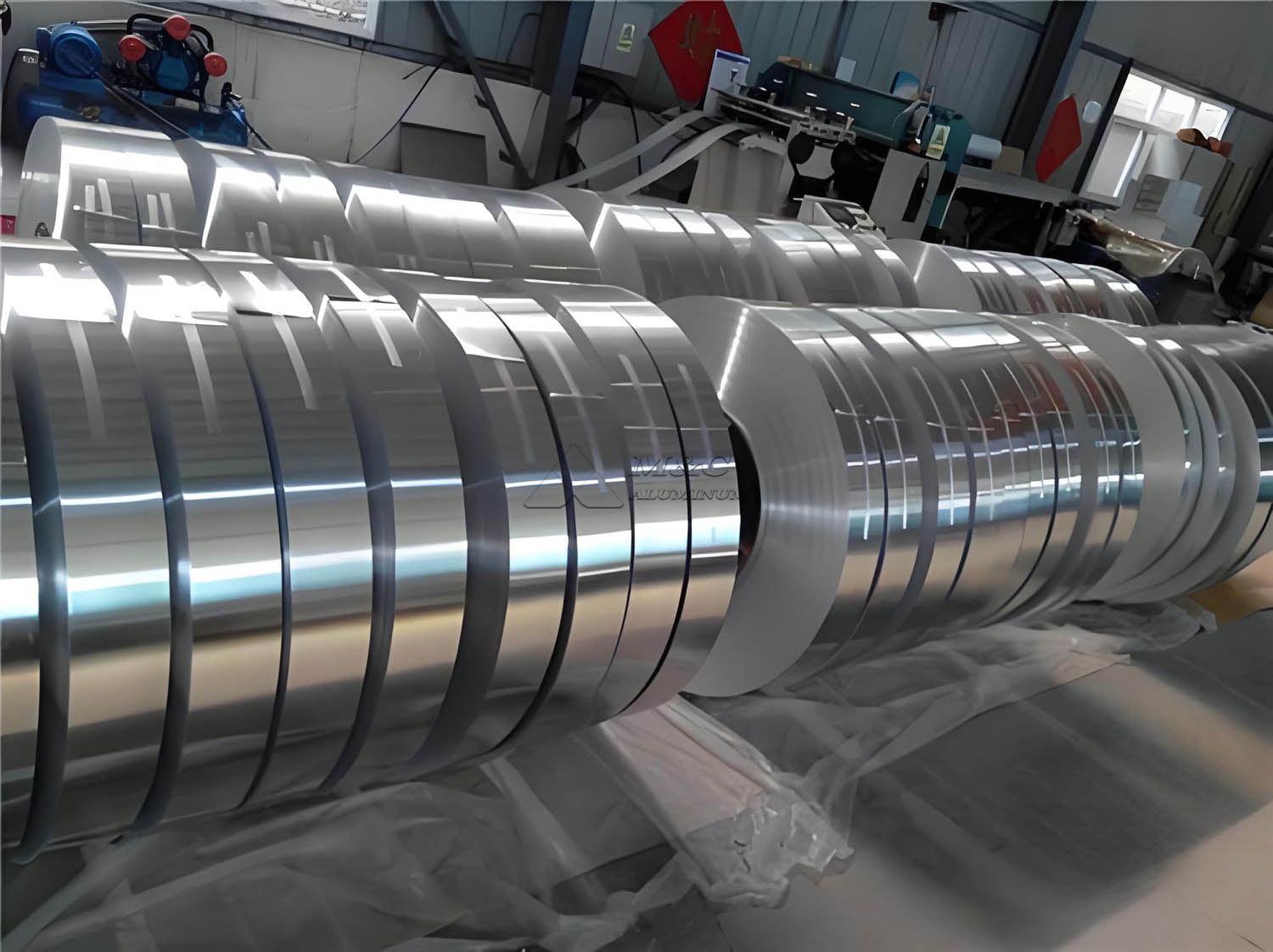
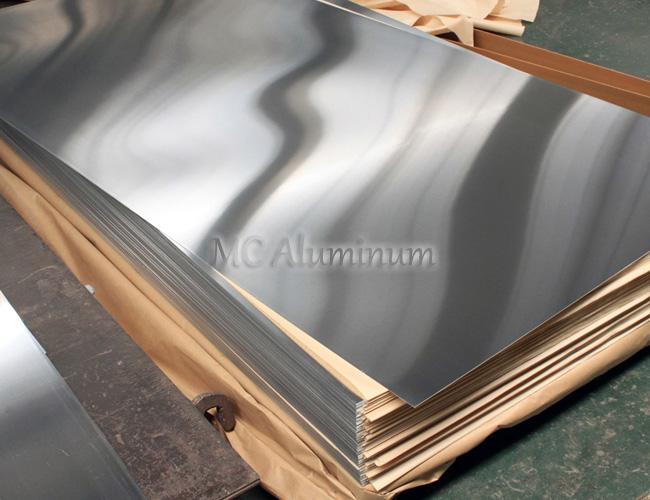
Contact Us