
1050 Vs 1060 Aluminum Strip For Transformer Windings
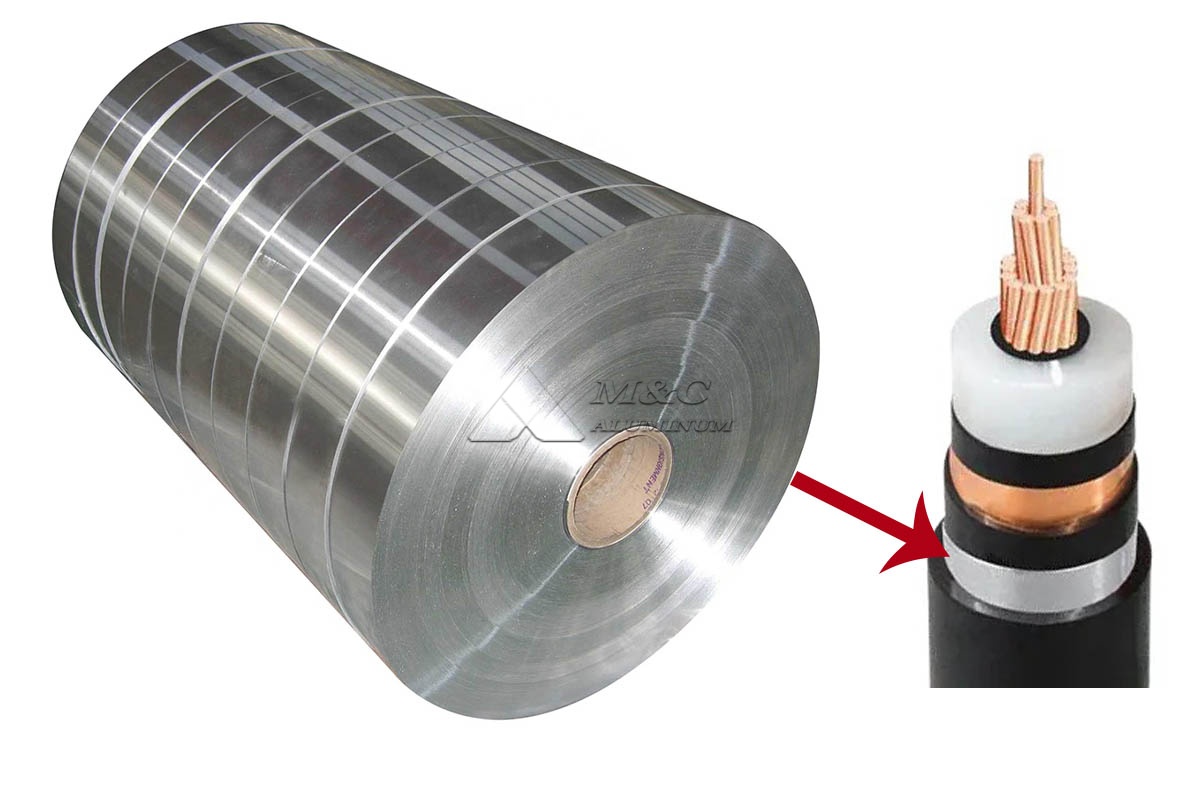
In transformer manufacturing, conductor material directly affects electrical efficiency, temperature rise, winding stability, and long-term service reliability. As a manufacturer of Aluminum Strip and Transformer Aluminium Strip, we produce both 1050 aluminum strip and 1060 aluminum strip for dry-type transformers, oil-immersed transformers, reactors, and related electrical winding applications. In practical production, these two alloys are often compared because both belong to the commercially pure aluminum series and both are widely used in transformer windings.
The key question is not simply which alloy is better in general, but which one is more suitable for a specific transformer design, conductivity target, forming condition, and cost structure. In this article, we explain the differences between 1050 vs 1060 aluminum strip for transformer windings from the perspective of a manufacturing plant, focusing on chemistry, electrical performance, processing behavior, and application selection.
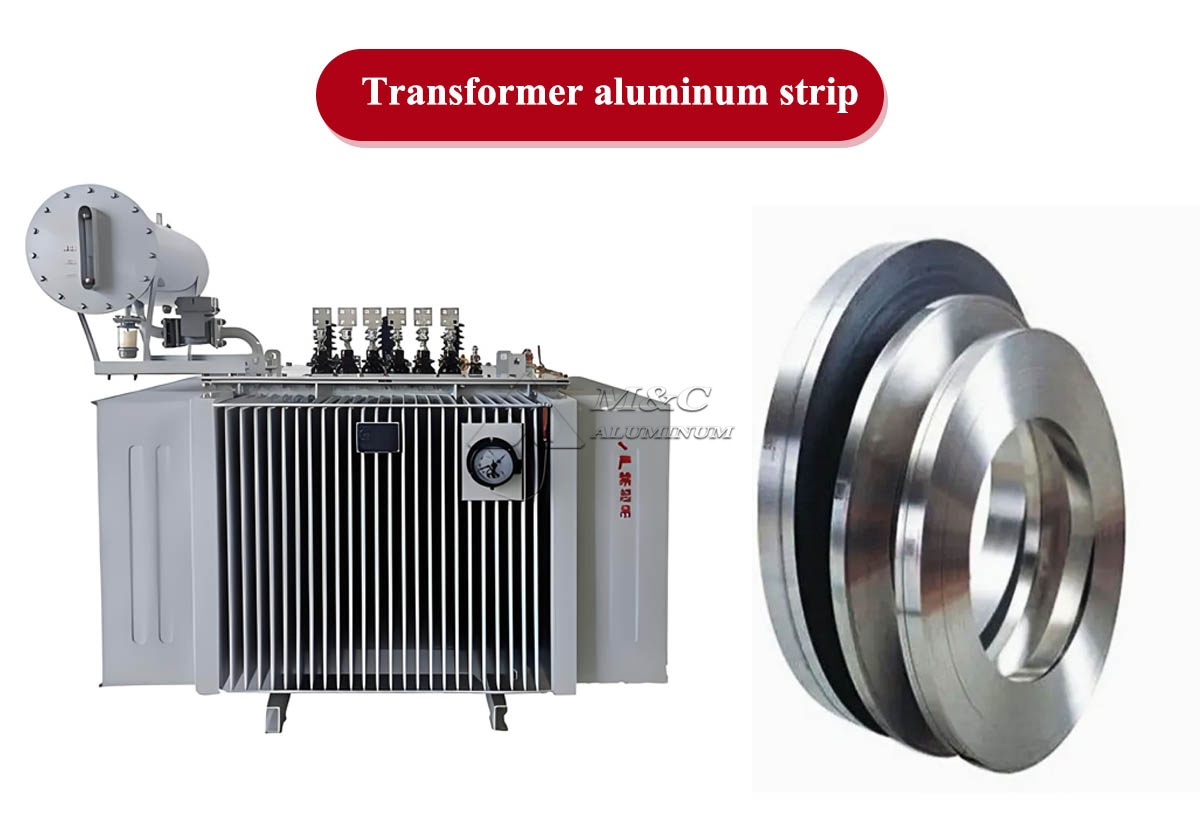
Why 1050 and 1060 Are Used in Transformer Windings
1050 aluminum strip and 1060 aluminum strip are both high-purity industrial aluminum alloys. Their aluminum content is high, their conductivity is good, and their forming performance is stable. These characteristics make them suitable for transformer winding conductors, where the material must combine:
High electrical conductivity
Low impurity level
Consistent edge quality
Tight thickness tolerance
Good elongation for winding and forming
Stable surface condition for insulation wrapping or direct electrical use
In our factory, transformer aluminum strip is commonly supplied in H0, O, or other soft temper conditions according to winding requirements. For many transformer manufacturers, the decision between 1050 and 1060 depends on conductivity margin, procurement standard, and the balance between mechanical softness and electrical performance.
Chemical Composition Comparison
The first difference between 1050 aluminum strip and 1060 aluminum strip is the minimum aluminum content. 1060 has a slightly higher purity than 1050, which generally gives it a modest advantage in conductivity.
Table 1: Typical Chemical Composition
| Alloy | Al Minimum | Si Maximum | Fe Maximum | Cu Maximum | Mn Maximum | Mg Maximum | Zn Maximum | Ti Maximum |
|---|---|---|---|---|---|---|---|---|
| 1050 | 99.50% | 0.25% | 0.40% | 0.05% | 0.05% | 0.05% | 0.05% | 0.03% |
| 1060 | 99.60% | 0.25% | 0.35% | 0.05% | 0.03% | 0.03% | 0.05% | 0.03% |
Although the numerical difference appears small, transformer winding applications are sensitive to conductivity, resistance loss, and heat generation. Even a small increase in purity can matter in certain electrical designs.
Electrical Conductivity and Resistivity
For transformer windings, conductivity is one of the most important performance indicators. Lower resistivity reduces conductor loss and helps control temperature rise under operating load.
In general production practice, 1060 aluminum strip offers slightly better conductivity than 1050 aluminum strip because of its higher aluminum content and lower impurity level. For transformer designers working within narrow efficiency targets, 1060 may provide a more favorable electrical margin.
Table 2: Typical Electrical Properties for Transformer Use
| Alloy | Conductivity at 20 C | Resistivity at 20 C | Density |
|---|---|---|---|
| 1050 | about 60-61% IACS | about 0.0282 ohm mm2/m | 2.71 g/cm3 |
| 1060 | about 61-62% IACS | about 0.0279 ohm mm2/m | 2.70 g/cm3 |
For many standard transformer winding designs, both alloys are acceptable. However, when the design emphasizes lower conductor loss, lower temperature rise, or improved electrical efficiency, 1060 aluminum strip is often preferred.
Mechanical Properties and Winding Behavior
Transformer winding strip must not only conduct current efficiently, but also maintain geometric consistency during slitting, insulation wrapping, bending, and coil winding. Soft temper material is commonly selected to avoid edge cracking and to support compact winding.
Both 1050 and 1060 are known for good ductility. In the annealed condition, each can be processed into thin gauges and narrow widths with stable forming behavior. From a factory manufacturing standpoint, both alloys can achieve the smooth surface and burr-controlled edges required for transformer use, provided that rolling, annealing, and slitting are managed correctly.
Table 3: Typical Mechanical Properties in Soft Temper
| Alloy | Temper | Tensile Strength | Yield Strength | Elongation |
|---|---|---|---|---|
| 1050 | O | 60-95 MPa | 20-40 MPa | 20-35% |
| 1060 | O | 55-90 MPa | 15-35 MPa | 25-38% |
These values may vary according to thickness, process route, and final annealing condition. In practical winding operations, 1060 aluminum strip is often slightly softer and more conductive, while 1050 aluminum strip may offer a familiar and widely accepted balance for standard transformer manufacturing.
Dimensional Accuracy and Surface Requirements
For aluminum strip for transformer windings, alloy selection is only one part of the specification. Dimensional consistency is equally important. In our production, the following parameters are strictly controlled:
Thickness tolerancen- Width tolerance
Edge camber
Burr height
Surface cleanliness
Coil tightness and flatness
Freedom from oil stains, scratches, roll marks, and oxidation defects
A transformer winding conductor must run smoothly through insulation and winding operations. If the strip has unstable thickness or poor edges, the result can be uneven winding layers, insulation damage, or local electrical stress concentration.
Table 4: Typical Factory Control Items for Transformer Aluminum Strip
| Item | Typical Requirement |
|---|---|
| Thickness range | 0.08-3.00 mm |
| Width range | 10-1650 mm |
| Temper | O, H0 or as required |
| Edge condition | slit edge, burr controlled |
| Surface | clean, smooth, no oxidation, no severe scratch |
| Coil inner diameter | according to customer winding equipment |
| Conductivity test | available per batch |
| Packing | export seaworthy, moisture protection |
The final suitability of 1050 or 1060 depends not only on the alloy itself, but also on whether the strip is produced with transformer-grade process control.
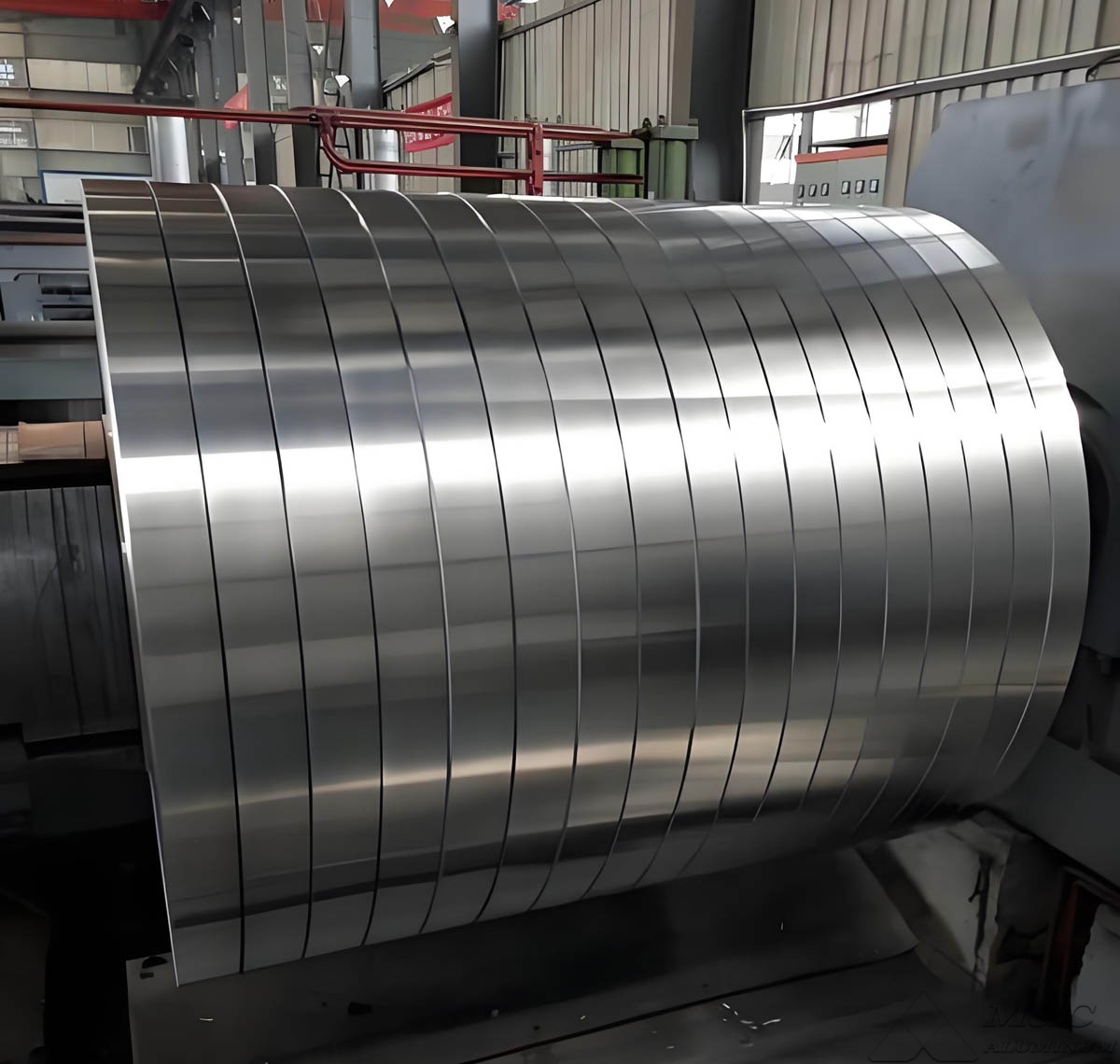
Processing Differences in Factory Production
From the manufacturing side, 1050 and 1060 are both relatively mature products, but there are still some practical differences in rolling and quality control.
1060 aluminum strip generally requires closer attention to purity stability and conductivity verification if it is supplied for electrical-grade applications. Customers using 1060 often place more emphasis on electrical data, elongation, and surface condition because the strip is selected specifically to optimize winding performance.
1050 aluminum strip is also widely used and can perform reliably in transformer coils when the design standard allows it. In many projects, 1050 is selected for stable availability, established processing routes, and competitive material cost.
As a manufacturer, we usually recommend that customers confirm the following before choosing 1050 or 1060:
Required conductivity or resistivity target
Winding method and minimum bending radius
Thickness and width tolerance requirements
Whether the strip will be paper covered, film insulated, or used bare
Transformer type and rated load condition
Whether the project prioritizes cost control or electrical optimization
Which Alloy Is Better for Transformer Windings
There is no universal answer for every transformer design, but the selection can be summarized clearly.
Choose 1050 aluminum strip when:
The transformer design accepts standard high-purity aluminum conductivity
Material cost sensitivity is relatively high
The application requires mature, widely used industrial aluminum strip
Mechanical formability and general winding performance are the primary focus
Choose 1060 aluminum strip when:
Higher conductivity is required
Lower resistive loss is a design priority
The transformer needs tighter electrical efficiency control
The customer specification explicitly calls for 1060 or EC grade equivalent material
In many export markets, 1060 aluminum strip for transformer windings is increasingly specified for performance-oriented projects, while 1050 remains common for conventional designs and applications with balanced cost-performance requirements.
Our Manufacturing Approach for Transformer Winding Strip
As a factory, we do not treat transformer aluminum strip as a generic commodity product. The process route is adjusted according to electrical use. This includes raw material selection, melt control, hot rolling, cold rolling, intermediate annealing, final annealing, slitting accuracy, and final inspection.
For both 1050 aluminum strip and 1060 aluminum strip, our production control focuses on:
Stable chemical composition
High conductivity consistency
Soft temper uniformity
Tight gauge control across the coil width
Fine slit edge quality for winding safety
Clean surface suitable for transformer insulation systems
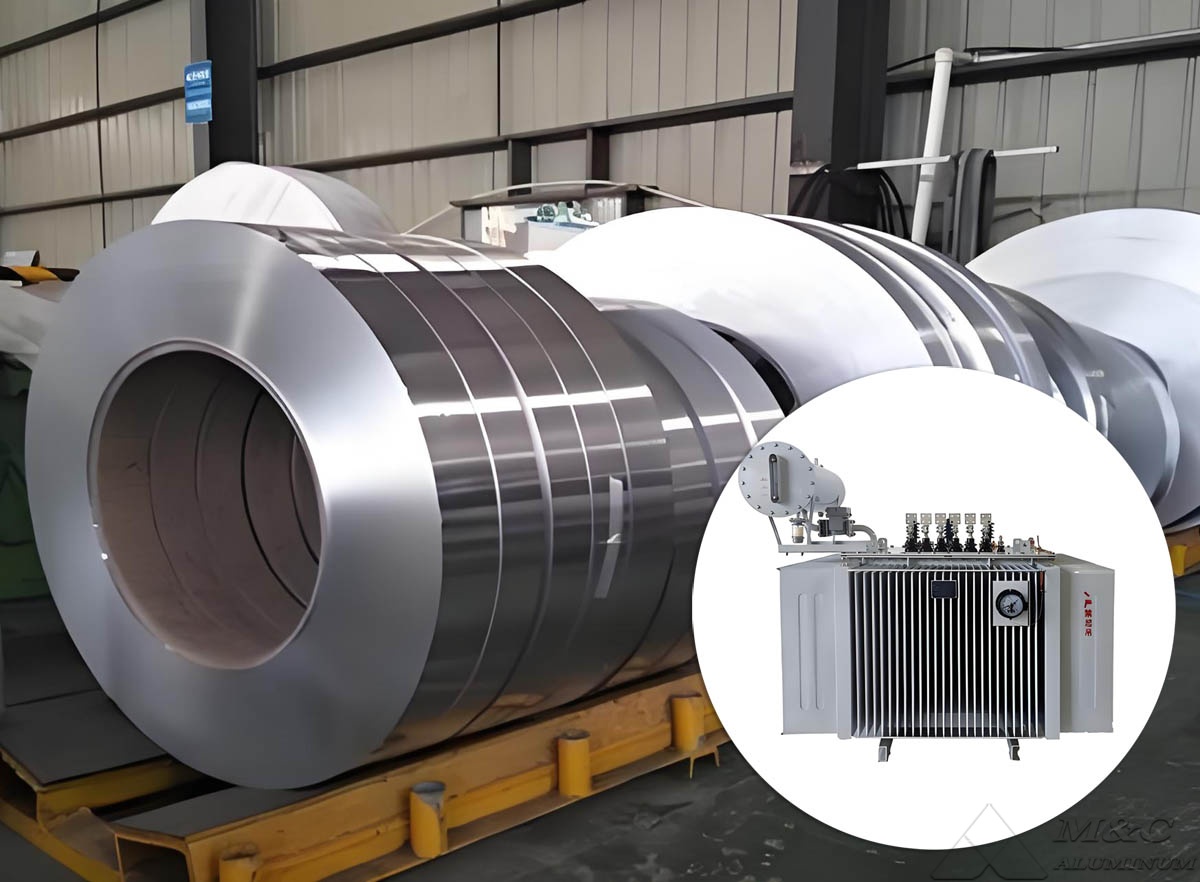
We can supply aluminum winding strip in coils according to customer drawings and technical agreements, including special width combinations and batch-based conductivity inspection.
Conclusion
When comparing 1050 vs 1060 aluminum strip for transformer windings, the most important difference is conductivity level. 1060 aluminum strip has slightly higher purity and usually provides slightly better electrical conductivity, making it suitable for transformer projects with stricter efficiency and temperature-rise requirements. 1050 aluminum strip remains a dependable and widely used option where standard conductivity and strong process stability are sufficient.
From a manufacturer perspective, both alloys can perform well in transformer windings if the strip is produced with proper electrical-grade process control, soft temper consistency, and strict slitting quality. In actual procurement, the correct choice should be based on transformer design targets, conductivity requirements, processing method, and total cost evaluation rather than alloy number alone.
For buyers sourcing aluminum strip for transformer windings, the most effective approach is to confirm both the alloy and the manufacturing quality standards behind it.
Contact Us